-
Shop
- Advanced Technologies
- AI Career Advantage Collection
- AI Skills Mastery 2026 Collection
- Arts, Crafts & Hobbies
- Bathroom
- Best-Sellers
- Car Accessories
- Dating & Social Skills
- Denim
- 7FOR
- AGOLDE
- Antony Morato
- Armani Exchange
- Boss
- Brunello Cucinelli
- Calvin Klein Jeans
- Costume National
- Desigual
- Diesel
- Dolce & Gabbana
- Dsquared²
- Ermanno Scervino
- Fendi
- Gianni Lupo
- Guess Jeans
- Ichi
- Just Cavalli
- Lee
- Levi's
- Liu Jo
- Morgan De Toi
- Mother Denim
- Only
- Pepe Jeans
- Pinko
- Replay
- Valentino
- Vero Moda
- Digital Resources
- Education & Learning
- Family & Parenting
- Fashion
- Furniture
- Gadgets
- Health & Beauty
- Health & Wellness
- Home & Garden
- Kids & Babies
- Kitchen
- Lighting
- Patio, Lawn & Garden
- Personal Growth
- Pet Care
- Pet Supplies
- Pets
- Sport & Outdoors
- TikTok Growth & Monetization Mastery
- Travel
- Wealth
- Popular
- Best deals
Post-Travel Acne Reset: 48-Hour Calm + 1-Week Plan
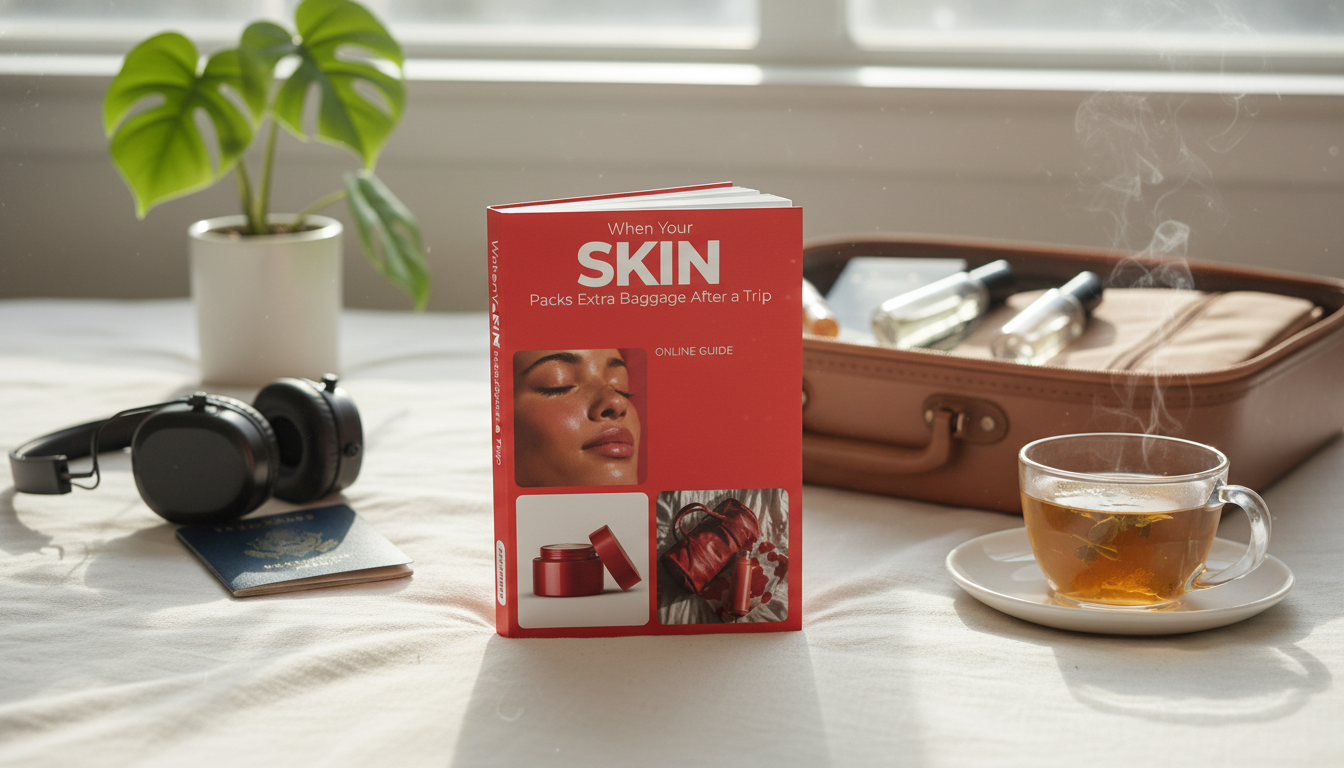
When Your Skin Packs Extra Baggage After a Trip: A Post‑Vacation Acne Reset and Smart Recovery Checklist
Travel can leave skin feeling congested, irritated, and suddenly breakout-prone—even after a relaxing getaway. Cabin air, sweat, sunscreen, new water, disrupted sleep, and stress can all push pores and the skin barrier off balance. The goal after returning home is a calm, structured reset: reduce inflammation, clear congestion gently, and rebuild hydration so breakouts fade without triggering more sensitivity.
Why breakouts show up after travel
Post-trip acne isn’t “random”—it’s usually a pileup of small stressors that change oil flow, clog pores, and weaken your skin’s protective barrier.
- Dry cabin air + dehydration: Low humidity and fluid loss can concentrate oil and weaken the barrier, making pores easier to clog.
- Heat, humidity, sweat, and sunscreen: Sweat plus sunscreen (and sometimes pollution) can increase congestion, especially in the T-zone.
- Routine shifts: Changes in sleep, diet, alcohol, and stress can influence inflammation and sebum production.
- Friction and occlusion: Masks, scarves, helmets, and long flights can trigger bumps along the jawline and cheeks.
- Unfamiliar water or cleansers: Hard water or new products can disrupt the moisture barrier and make skin reactive.
Quick self-check: what kind of “post-trip breakout” is it?
Different bumps respond best to different approaches. Before adding strong actives, identify what you’re seeing.
- Clogged pores/texture (closed comedones): Small, uniform bumps; often linked to sunscreen buildup, sweat, and heavier products.
- Inflamed pimples: Red, tender spots; often worsened by over-scrubbing, picking, or harsh spot treatments.
- Folliculitis-like bumps: Itchy, same-size bumps (often forehead/cheeks/chest/back); can flare with sweat and occlusive products—consider reducing heavy oils and seeing a clinician if persistent.
- Barrier disruption: Stinging, tightness, patchy redness—treat as irritation first; pause strong actives until calm.
- Get help fast if needed: If breakouts are severe, painful, spreading, or paired with fever or swelling, seek medical advice.
The 48-hour reset: calm first, then clear
The first two days back are about getting your skin “out of emergency mode.” Instead of chasing every bump, focus on stability.
If you want an easy way to stay on track without overdoing it, use the Digital skincare guide and smart recovery checklist for post-trip breakouts as a one-week “reset plan” you can follow consistently.
Smart recovery checklist (AM/PM) for the first week back
AM routine
PM routine
How to choose a single “targeting” option
Spot strategy + soothing add-ons
| Situation | Do | Avoid |
|---|---|---|
| Tight, stinging, red skin | Use gentle cleanser, bland moisturizer, SPF; pause actives 48–72 hours | Scrubs, peels, high-strength acids, multiple new products |
| Small bumps/rough texture | Use salicylic acid 2–4 nights/week; moisturize after | Over-washing, harsh toners, daily strong exfoliation |
| Red inflamed pimples | Use benzoyl peroxide thin layer/spot; hydrocolloid patches overnight | Picking, heavy occlusive makeup, fragranced “drying” spot gels |
| Jawline friction bumps | Reduce friction, clean phone/headphones, simplify skincare | Tight masks/straps, rubbing with towels, repeated touching |
| Body breakouts after hot climates | Shower promptly after sweating; use acne body wash as tolerated | Staying in sweaty clothes, heavy oils on back/chest |
Product-light habits that speed up clearing
- Hydration: Prioritize water and electrolytes after flights or long car rides to support skin comfort.
- Laundry reset: Wash travel hats, scarves, and pillowcases that hold sweat, sunscreen, and hair products.
- Makeup pause: Keep base makeup minimal for 3–5 days; choose non-comedogenic formulas when reintroducing.
- Hairline management: Avoid heavy pomades or dry shampoo drifting onto the forehead; cleanse the hairline after workouts.
- Sun recovery: Keep SPF consistent; sunburn and peeling can worsen sensitivity and trigger rebound oiliness. For sun-safety basics, see the CDC sun safety guidance.
For gentler drying (less rubbing = fewer irritation bumps), consider switching to a softer towel like the Soft striped coral fleece face towel for gentle drying and pat—don’t scrub—especially around the nose and jawline.
Common mistakes that make post-vacation acne linger
When to adjust the plan or get help
- If breakouts persist beyond 2–4 weeks despite a gentle, consistent routine, consider professional guidance.
- If acne is cystic, painful, scarring, or affecting confidence and daily life, a dermatologist can offer targeted options. The American Academy of Dermatology acne overview is a helpful starting point.
- If bumps are itchy, uniform, and worsen with sweat, ask about folliculitis vs. acne so treatment matches the cause.
- If new products cause swelling, hives, or severe burning, stop use and seek medical advice.
If your skin is stinging and reactive more than it is “pimply,” treat barrier support as the priority. The National Eczema Association’s skin barrier basics explain why irritation can escalate quickly when the barrier is compromised.
A simple way to stay consistent after returning home
FAQ
How long does post-travel acne usually last?
It typically improves within 7–14 days with a gentle, consistent routine. It can last longer if your barrier is irritated or triggers continue (friction, heavy products, poor sleep); consider care if it persists beyond 2–4 weeks or becomes painful/cystic.
Should exfoliation start immediately after a trip if pores feel clogged?
If your skin feels calm (no stinging or unusual redness), gentle salicylic acid a few nights per week can help. If your skin feels tight or irritated, focus on barrier repair for 48–72 hours before adding exfoliation.
What’s the safest spot treatment when skin feels sensitive?
Keep it minimal and targeted: hydrocolloid patches and a thin, localized benzoyl peroxide application can help inflamed pimples. Avoid layering multiple actives over large areas while your skin is sensitive.
Recommended for you


Farmhouse Fireplace TV Stand: 40″ Insert for 80″ TVs
May 10, 2026












Leave a comment