-
Shop
- Advanced Technologies
- AI Career Advantage Collection
- AI Skills Mastery 2026 Collection
- Arts, Crafts & Hobbies
- Bathroom
- Best-Sellers
- Car Accessories
- Dating & Social Skills
- Denim
- 7FOR
- AGOLDE
- Antony Morato
- Armani Exchange
- Boss
- Brunello Cucinelli
- Calvin Klein Jeans
- Costume National
- Desigual
- Diesel
- Dolce & Gabbana
- Dsquared²
- Ermanno Scervino
- Fendi
- Gianni Lupo
- Guess Jeans
- Ichi
- Just Cavalli
- Lee
- Levi's
- Liu Jo
- Morgan De Toi
- Mother Denim
- Only
- Pepe Jeans
- Pinko
- Replay
- Valentino
- Vero Moda
- Digital Resources
- Education & Learning
- Family & Parenting
- Fashion
- Furniture
- Gadgets
- Health & Beauty
- Health & Wellness
- Home & Garden
- Kids & Babies
- Kitchen
- Lighting
- Patio, Lawn & Garden
- Personal Growth
- Pet Care
- Pet Supplies
- Pets
- Sport & Outdoors
- TikTok Growth & Monetization Mastery
- Travel
- Wealth
- Popular
- Best deals
Workouts That Listen Back: Flexible AI Training Guide
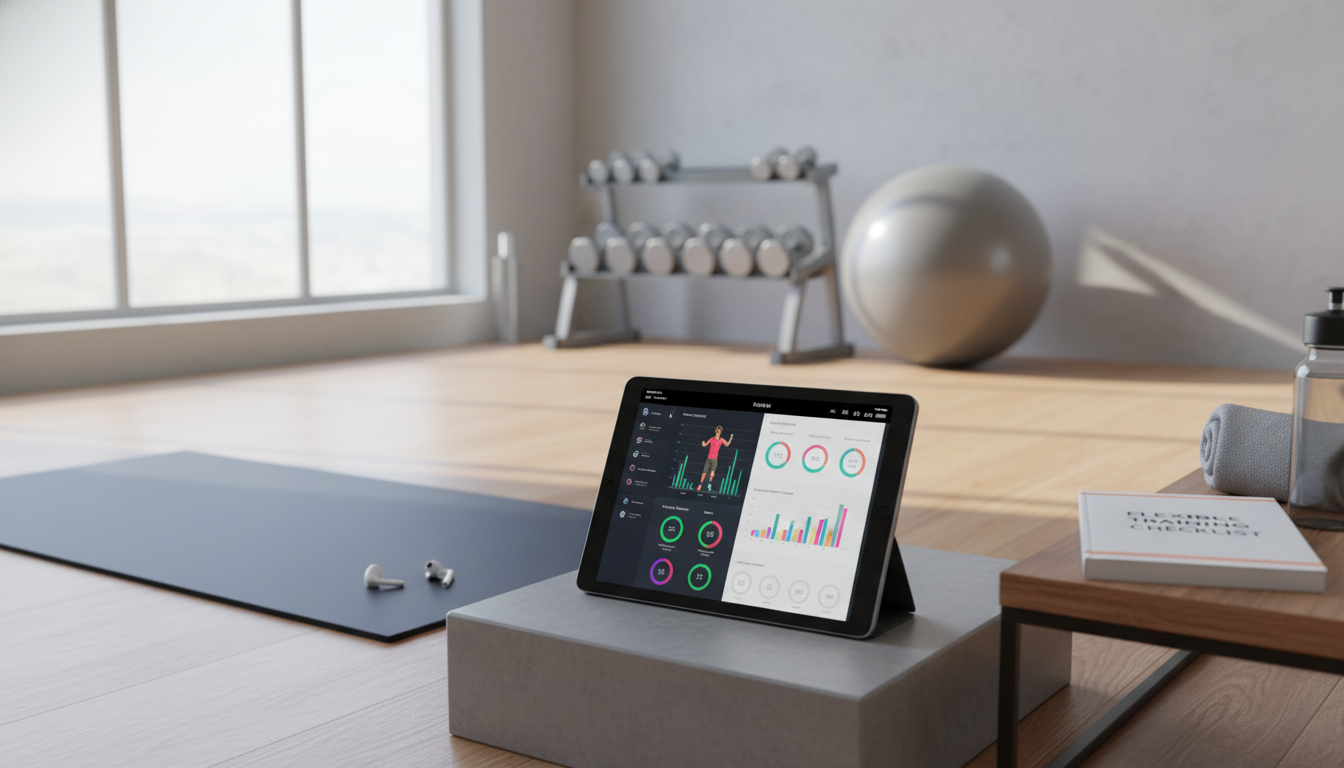
When Your Workouts Finally Start Listening Back
Training works best when it responds to real life: sleep, stress, soreness, and schedule changes. A plan that “listens back” doesn’t throw out structure—it keeps your goal steady while letting each session scale up or down based on the day you’re actually having. The result is more consistency, fewer burnout weeks, and progress you can repeat.
What “listening back” means in a training plan
Most people don’t need more willpower—they need clearer decisions. “Listening back” turns everyday signals into simple next steps so you’re not guessing whether you should push, coast, or recover.
- Turns daily signals (energy, soreness, time available, motivation) into clear workout decisions instead of guesswork
- Keeps the goal steady while allowing the session to scale up or down
- Replaces all-or-nothing thinking with a minimum effective dose approach
- Builds a feedback loop: plan → train → note outcomes → adjust next session
This approach also fits neatly with mainstream activity guidance (for general targets and balance), like the CDC physical activity basics and the American College of Sports Medicine guidelines.
What’s inside the digital download
When Your Workouts Finally Start Listening Back – Smart Fitness Guide Digital Download, AI Workout Planning eBook, Flexible Training Checklist is built as a practical framework you can reuse, not a rigid calendar that breaks the first time life gets busy.
- AI workout planning prompts that generate options for different time blocks (10/20/40+ minutes)
- A flexible training checklist to decide: train hard, train easy, or recover—without stalling progress
- Guidance for choosing intensity based on readiness markers (sleep, soreness, stress, performance trend)
- Simple templates to log what happened and adjust next time
- Quick rules for keeping strength, cardio, and mobility in balance across the week
Because it’s a digital download, it’s easy to pull up on a phone before training, then jot a fast note afterward while the session is still fresh.
Who this approach fits best
Flexible training isn’t “do whatever feels good.” It’s structured adaptation—especially useful when your week refuses to stay predictable.
- Busy schedules: rotating shifts, parents, travel, unpredictable workdays
- Plateaued trainees who push hard but don’t recover well
- Beginners who want structure without rigid, one-size programs
- Anyone returning after a break who needs progressive, confidence-building steps
- People who like using AI for planning but want guardrails and a decision framework
How to use AI for workout planning without making it random
The difference between “helpful” and “random” is constraints. When you set a weekly target and a few rules, AI becomes a fast idea generator that still respects progression.
AI prompt starter kit (copy/paste style)
| Goal | What to tell the AI | What to ask for |
|---|---|---|
| Full-body strength | Equipment: dumbbells + bands. Time: 35 min. Limit: no jumping. | Create warm-up + 5 moves + finisher. Provide 35/20/10-min versions. |
| Low-impact cardio | Equipment: none. Time: 25 min. Intensity: easy-moderate. | Design a zone-2 style session with talk-test cues and optional progressions. |
| Mobility + recovery | Tight hips/upper back. Time: 12 min. Pain-free only. | Give a sequence with breathing cues and regressions; avoid end-range loading. |
Flexible training checklist: a simple decision flow
Readiness-to-workout map
| Today feels like… | Choose this session | Keep it productive by… |
|---|---|---|
| High energy, low soreness | Hard / progressive | Add load or reps; keep rest periods honest; stop 1–2 reps before failure |
| Okay energy, mild soreness | Moderate / practice | Use same plan at slightly lower load; focus on form and steady pacing |
| Low energy, high stress | Easy / minimum session | Do 10–20 minutes: mobility + brisk walk + 1–2 light sets of key moves |
| Pain, illness, or poor sleep streak | Recovery | Gentle mobility, hydration, early bedtime; resume when symptoms improve |
Example week that adapts without losing the thread
If you want an easy way to support the “recover and reset” side of the week, pairing training with a steady morning routine can help. Mindful Mornings with AI | Morning Mindfulness Exercises AI Ideas | Digital Guide to Calm, Clarity, and Focus fits well on lighter days—especially when stress is the main limiter, not motivation.
Common mistakes that make flexible training stop working
One more “small but real” pitfall: ignoring practical comfort. Something as simple as keeping a soft towel nearby can make post-session cleanup and habit follow-through easier, especially for quick home workouts. The Soft Striped Coral Fleece Face Towel is an easy add-on for training spaces where you want a dedicated, grab-and-go option.
Get the guide and start using it today
If your best plan keeps losing to your real schedule, it’s time for a system that adjusts without drifting. The When Your Workouts Finally Start Listening Back – Smart Fitness Guide Digital Download is designed for quick reference on a phone, tablet, or laptop and works with home gyms, commercial gyms, or minimal-equipment setups.
For a broader view of weekly movement targets, the World Health Organization physical activity recommendations are a useful benchmark—then this framework helps you hit those targets even when life gets messy.
FAQ
Is this guide a workout program or a planning system?
It’s a planning system: prompts, checklists, and simple rules that help you generate workouts and adjust them based on readiness, time, and goals—so you keep direction without being locked into a rigid template.
Can AI-generated workouts be safe for beginners?
Yes, when you use guardrails like conservative intensity, clear constraints (equipment, injuries, time), and a technique-first focus. If you have pain, medical concerns, or uncertainty with form, consulting a qualified professional is a smart step.
What if motivation is low—should the workout be skipped?
Low motivation is usually a cue to use the minimum session option (10–20 minutes) to keep the habit alive. Skipping makes the most sense when you’re sick, injured, or showing strong recovery red flags like a poor-sleep streak.
Recommended for you


D&G Mid-Rise Straight Jeans: Logo Plaque Style Guide
May 14, 2026












Leave a comment