-
Shop
- Advanced Technologies
- AI Career Advantage Collection
- AI Skills Mastery 2026 Collection
- Arts, Crafts & Hobbies
- Bathroom
- Best-Sellers
- Car Accessories
- Dating & Social Skills
- Denim
- 7FOR
- AGOLDE
- Antony Morato
- Armani Exchange
- Boss
- Brunello Cucinelli
- Calvin Klein Jeans
- Costume National
- Desigual
- Diesel
- Dolce & Gabbana
- Dsquared²
- Ermanno Scervino
- Fendi
- Gianni Lupo
- Guess Jeans
- Ichi
- Just Cavalli
- Lee
- Levi's
- Liu Jo
- Morgan De Toi
- Mother Denim
- Only
- Pepe Jeans
- Pinko
- Replay
- Valentino
- Vero Moda
- Digital Resources
- Education & Learning
- Family & Parenting
- Fashion
- Furniture
- Gadgets
- Health & Beauty
- Health & Wellness
- Home & Garden
- Kids & Babies
- Kitchen
- Lighting
- Patio, Lawn & Garden
- Personal Growth
- Pet Care
- Pet Supplies
- Pets
- Sport & Outdoors
- TikTok Growth & Monetization Mastery
- Travel
- Wealth
- Popular
- Best deals
Future Pet Tech: Smart Care, Safer Homes, Health Alerts
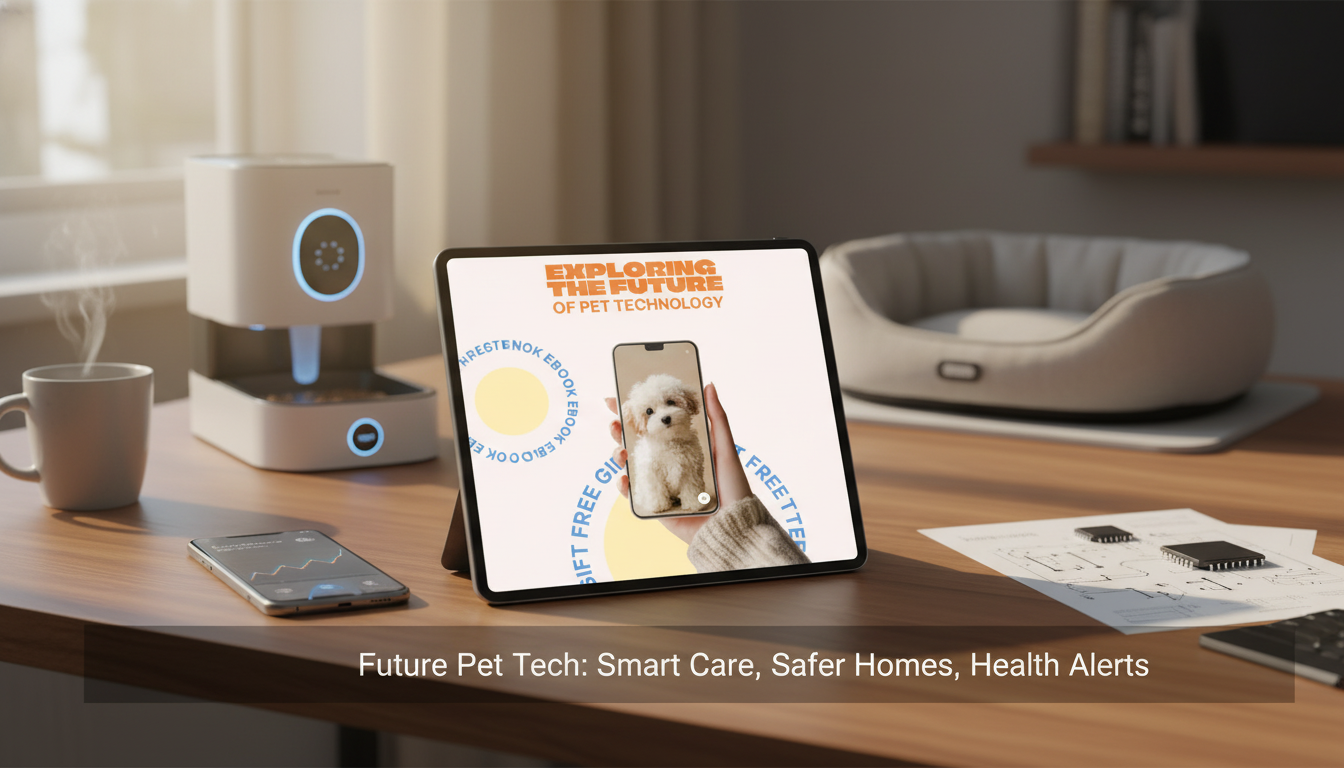
Exploring the Future of Pet Technology: Smarter Care, Safer Homes, Happier Pets
Smart pet devices are moving beyond novelty features into practical tools that support daily routines, health awareness, and safer independence for pets at home and outdoors. From AI-driven monitoring to connected feeders and tele-vet workflows, the next wave of innovation is centered on early detection, personalization, and responsible data use. This guide maps the most important directions in modern pet technology and how they can fit real-life pet care.
What “smart pet care” really means now
Smart pet care used to mean one gadget with one job. Now it’s increasingly an ecosystem: sensors, apps, and automations that work together to make day-to-day care more consistent.
- Ecosystems over gadgets: Cameras, feeders, trackers, and home sensors are designed to share alerts and routines inside a single app.
- Consistency and visibility: The most meaningful upgrades are dependable feeding schedules, clearer activity patterns, and environment alerts that reduce “guessing.”
- Better signals—not just more data: The goal is actionable insights (a noticeable deviation from your pet’s baseline) that support decisions without replacing veterinary care.
- Multi-pet advantages: Homes with more than one pet benefit from individual identification, portion control, and behavior baselines that help separate “who did what.”
Key pet tech trends shaping the next few years
The most useful innovations tend to show up in small, practical ways—fewer missed meals, faster “something’s off” recognition, and simpler communication with a clinic.
- AI-assisted behavior and wellness monitoring: Pattern detection can highlight changes like frequent scratching, pacing, sleep disruption, reduced play, or unusual stillness—often earlier than a once-a-day check-in would.
- Smarter feeding and hydration: Connected feeders are improving with scheduled meals, microchip/RFID access control for multi-pet homes, and portion adjustments tied to activity goals.
- Non-invasive health tracking: Wearables are prioritizing comfort, longer battery life, and stronger signal quality over endless feature lists.
- Remote care workflows: Tele-triage, digital symptom journaling, and device-generated summaries can help owners describe timing, frequency, and trend changes more clearly. For telehealth context, see the American Veterinary Medical Association (AVMA) telehealth resources.
At-home monitoring: cameras, sensors, and routine automation
At-home monitoring is becoming less about watching a live stream all day and more about being notified when something meaningfully changes.
- Context-aware pet cameras: Newer systems can distinguish pets from people, spot unusual motion patterns, and support two-way audio for calmer, consistent routines.
- Home sensors for safety: Temperature/humidity alerts, door status notifications, and air quality awareness can be especially helpful for high-sensitivity pets or extreme-weather seasons. For general safety guidance, the ASPCA pet care resources are a reliable reference.
- Automation that supports stability: Timed lighting, white-noise schedules, and feeder notifications work best when paired with calm reinforcement—creating predictable cues rather than constant interruptions.
- Reliability over novelty: Offline modes, backup power options, and adjustable alert thresholds help reduce false alarms and prevent missed events during Wi‑Fi hiccups.
Wearables and tracking: beyond GPS into prevention
A quick guide to major pet tech categories
| Category | Best for | Watch-outs | Useful features to prioritize |
|---|---|---|---|
| Smart feeders | Portion control, routine meals, multi-pet scheduling | Jams, bowl hygiene, inaccurate portioning | Manual override, clog detection, easy-clean parts, pet identification |
| Water fountains with tracking | Encouraging hydration, noticing changes in drinking | Filter costs, pump maintenance, noisy operation | Quiet motor, easy access for cleaning, replaceable filters, simple data summaries |
| GPS trackers | Outdoor safety, escape recovery, travel | Subscription fees, battery life, indoor accuracy limits | Fast refresh mode, safe collar mount, geofences, multi-network support |
| Activity/wellness wearables | Baseline trends in rest and movement | False reassurance, inconsistent sensor readings | Comfortable fit, long battery, trend views, exportable reports |
| Pet cameras | Separation anxiety support, check-ins, interaction | Notification overload, privacy risks | Smart detection, local storage options, good night vision, configurable alerts |
| Self-cleaning litter tech | Odor control, reduced scooping, routine consistency | Cat acceptance, mechanical failures, ongoing costs | Safety sensors, easy maintenance, quiet cycles, accessible waste handling |
Privacy, safety, and reliability: the non-negotiables
- Data minimization: Devices should collect only what’s needed and provide clear controls for retention and sharing.
- Account security basics: Use unique passwords, enable two-factor authentication where available, and keep firmware updated. The Federal Trade Commission’s privacy and security guidance is a useful baseline for connected products.
- Physical safety: Choose chew-resistant cords, tip-resistant bases, secure battery compartments, and pet-safe materials.
- Service continuity: Confirm what works offline, what requires a subscription, and whether you can export or delete your data.
Turning trends into a practical plan for everyday care
Helpful add-ons for a well-rounded routine
- Ready for Winter Ready for Anything – Winter Sport Gear Basics eBook, Complete Cold Weather Gear Guide, Layering & Equipment Checklist for Winter Sports (useful for building repeatable checklists and routines during colder months when walks and outdoor time change).
- Cozy Cuddly Cowboy Bear Plush Toy – Soft Hugging Companion (a simple comfort item that can pair well with calm-training routines and scheduled check-ins).
FAQ
Do smart pet devices replace veterinary visits?
No. Smart devices can support routines and flag changes earlier, but diagnosis and treatment decisions should be made with a veterinarian; trend summaries are most useful as conversation starters.
What matters most when choosing a GPS tracker for a dog or cat?
Prioritize coverage where you actually live and travel, refresh rate, battery life, safe attachment, and total subscription cost. Geofences are helpful, but comfort and reliable location updates matter more than extra features, and indoor accuracy can be limited.
How can pet owners reduce privacy risks with connected pet products?
Use strong unique passwords, enable 2FA when available, and keep firmware updated. Review app permissions, prefer local storage options when practical, and choose brands with clear data policies and easy account/data deletion controls.
Recommended for you


Mindful Mornings with AI: 3–15 Minute Calm & Focus
May 15, 2026












Leave a comment