-
Shop
- Advanced Technologies
- AI Career Advantage Collection
- AI Skills Mastery 2026 Collection
- Arts, Crafts & Hobbies
- Bathroom
- Best-Sellers
- Car Accessories
- Dating & Social Skills
- Denim
- 7FOR
- AGOLDE
- Antony Morato
- Armani Exchange
- Boss
- Brunello Cucinelli
- Calvin Klein Jeans
- Costume National
- Desigual
- Diesel
- Dolce & Gabbana
- Dsquared²
- Ermanno Scervino
- Fendi
- Gianni Lupo
- Guess Jeans
- Ichi
- Just Cavalli
- Lee
- Levi's
- Liu Jo
- Morgan De Toi
- Mother Denim
- Only
- Pepe Jeans
- Pinko
- Replay
- Valentino
- Vero Moda
- Digital Resources
- Education & Learning
- Family & Parenting
- Fashion
- Furniture
- Gadgets
- Health & Beauty
- Health & Wellness
- Home & Garden
- Kids & Babies
- Kitchen
- Lighting
- Patio, Lawn & Garden
- Personal Growth
- Pet Care
- Pet Supplies
- Pets
- Sport & Outdoors
- TikTok Growth & Monetization Mastery
- Travel
- Wealth
- Popular
- Best deals
Smart Self-Cleaning Litter Box with App: Setup & Safety
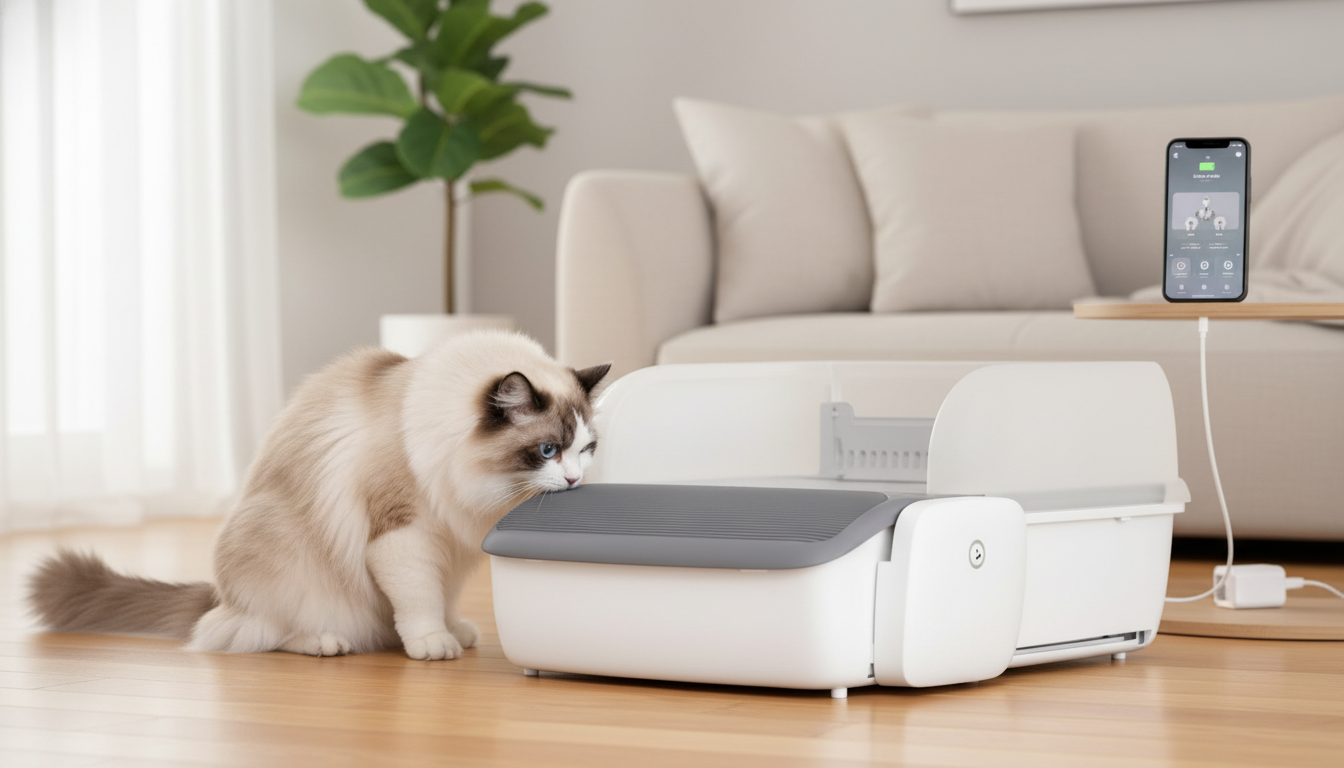
Smart Automatic Self-Cleaning Cat Litter Box with App Control
A self-cleaning litter box can turn the least pleasant daily chore into a quick check of a sealed waste drawer—while keeping smells more manageable and helping maintain a cleaner routine. App-connected models add another layer of convenience by letting you schedule cycles, receive alerts, and monitor basic usage patterns from your phone. Below is a practical guide to how these boxes work, what matters most for safety and comfort, and how to set one up so cats accept it smoothly.
What an App-Controlled Self-Cleaning Litter Box Does
An app-controlled automatic litter box is built to remove clumps (and usually solid waste) without you scooping after every visit. Once a cat exits, the unit runs a cleaning cycle—either right away after a short delay or on a schedule you set.
- Automates scooping by separating clumps from clean litter after each use or on a schedule.
- Uses app features to manage cleaning cycles, notifications, and basic usage tracking from a phone.
- Helps reduce ammonia smell by removing waste promptly and keeping it contained.
- Supports consistent hygiene for busy households, frequent travelers, and multi-cat homes.
Prompt waste removal is the biggest difference you’ll notice. When clumps sit in the open, odor builds quickly—especially in warm rooms or homes with multiple cats.
Daily Experience: Odor, Noise, and Cat Comfort
Real-life performance is about more than “it cleans itself.” Comfort and confidence determine whether your cat actually uses it—and whether the area around it stays clean.
- Odor control improves most when the cleaning cycle runs soon after a cat leaves the box and the waste drawer seals well.
- Noise matters for skittish cats; a quieter motor and smoother rotation/raking motion can make adoption easier.
- Entry height and interior space influence comfort—kittens, seniors, and larger cats may need a lower step and more headroom.
- Litter tracking can be reduced with a textured mat and keeping the unit away from high-traffic tight corners.
Placement helps as much as hardware. Many cats prefer a more private, predictable location (not next to a loud appliance or in a narrow corridor). For additional guidance on litter box setup and location, see International Cat Care’s tips: https://icatcare.org/advice/litter-trays/.
Safety Features to Expect (Especially for Curious Cats)
Automatic movement should never startle or trap a cat. A well-designed unit combines physical guards with reliable sensing so cycles pause when a cat is near.
- Presence and weight sensing that pauses cleaning while a cat is inside or approaches during a cycle.
- Anti-pinch design and guarded moving parts to prevent paws from contacting mechanisms.
- Stability and tip resistance—important for cats that jump on top or push against the unit.
- App alerts that notify for full waste bin, faults, or interrupted cycles so problems don’t go unnoticed.
If you have kittens, seniors, or particularly bold “inspectors,” plan to supervise during the first days. Even with excellent sensors, confidence-building matters: let the cat approach on their own timeline, and avoid running a cycle while they’re investigating.
App Control: What’s Useful vs. What’s Optional
Not every smart feature is equally important. A short list of truly useful app functions makes day-to-day ownership easier without adding complexity.
Usage tracking isn’t a diagnosis tool, but it can help you notice trends sooner. For general cat wellness guidance and when to contact a veterinarian, the AVMA’s cat care resources are a solid reference: https://www.avma.org/resources/pet-owners/petcare/cats.
Comparison: Manual vs. Automatic vs. App-Controlled
How litter box options differ in routine and upkeep
| Type | Daily effort | Odor control potential | Best for |
|---|---|---|---|
| Standard manual box | High (scooping 1–2x/day) | Moderate (depends on scooping frequency) | Single-cat homes on a budget |
| Automatic self-cleaning (no app) | Low (check waste drawer) | High (frequent waste removal) | Busy owners who want less scooping |
| Automatic self-cleaning with app | Low (alerts + remote scheduling) | High (plus better monitoring) | Multi-cat homes, travelers, routine-focused owners |
Setup and Training: Helping a Cat Switch Without Stress
Maintenance Checklist for Reliable Performance
Product Spotlight: Smart Automatic Self-Cleaning Cat Litter Box with App Control
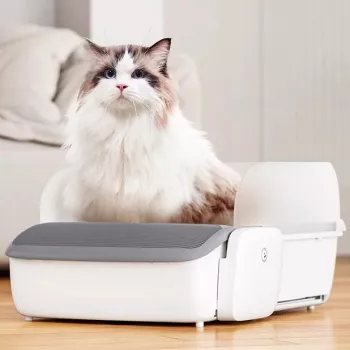
If the goal is fewer chores with more visibility into litter box activity, Smart Automatic Self-Cleaning Cat Litter Box with App Control is designed to automate waste removal while giving you app-based scheduling and notifications.
Extra comfort pick
For cats that like reassurance during changes to their routine, a familiar soft item nearby (not blocking the entrance) can help the area feel “safe.” Consider Cozy Cuddly Cowboy Bear Plush Toy – Soft Hugging Companion as a cozy companion elsewhere in the room.
FAQ
How often does the waste drawer need to be emptied?
Most homes empty it every few days to about once a week, depending on how many cats are using the box. If you notice odor increasing, clumps piling higher, or you receive a “full” alert/indicator, it’s time to empty the drawer.
Is an automatic litter box safe for kittens and senior cats?
Models with reliable presence/weight sensing and guarded moving parts are designed to pause when a cat is inside or approaches. During the first week, supervise introductions, and make sure the entry height and stability feel easy and secure for your cat.
What litter works best in a self-cleaning litter box?
Clumping litter is usually the best match because the unit needs firm clumps for clean separation. Avoid very dusty litters when possible, follow your unit’s compatibility guidance, and keep the litter level at the recommended fill line for consistent performance.













Leave a comment