-
Shop
- Advanced Technologies
- AI Career Advantage Collection
- AI Skills Mastery 2026 Collection
- Arts, Crafts & Hobbies
- Bathroom
- Best-Sellers
- Car Accessories
- Dating & Social Skills
- Denim
- 7FOR
- AGOLDE
- Antony Morato
- Armani Exchange
- Boss
- Brunello Cucinelli
- Calvin Klein Jeans
- Costume National
- Desigual
- Diesel
- Dolce & Gabbana
- Dsquared²
- Ermanno Scervino
- Fendi
- Gianni Lupo
- Guess Jeans
- Ichi
- Just Cavalli
- Lee
- Levi's
- Liu Jo
- Morgan De Toi
- Mother Denim
- Only
- Pepe Jeans
- Pinko
- Replay
- Valentino
- Vero Moda
- Digital Resources
- Education & Learning
- Family & Parenting
- Fashion
- Furniture
- Gadgets
- Health & Beauty
- Health & Wellness
- Home & Garden
- Kids & Babies
- Kitchen
- Lighting
- Patio, Lawn & Garden
- Personal Growth
- Pet Care
- Pet Supplies
- Pets
- Sport & Outdoors
- TikTok Growth & Monetization Mastery
- Travel
- Wealth
- Popular
- Best deals
Best Air-Purifying Houseplants: Easy Care + Placement Plan
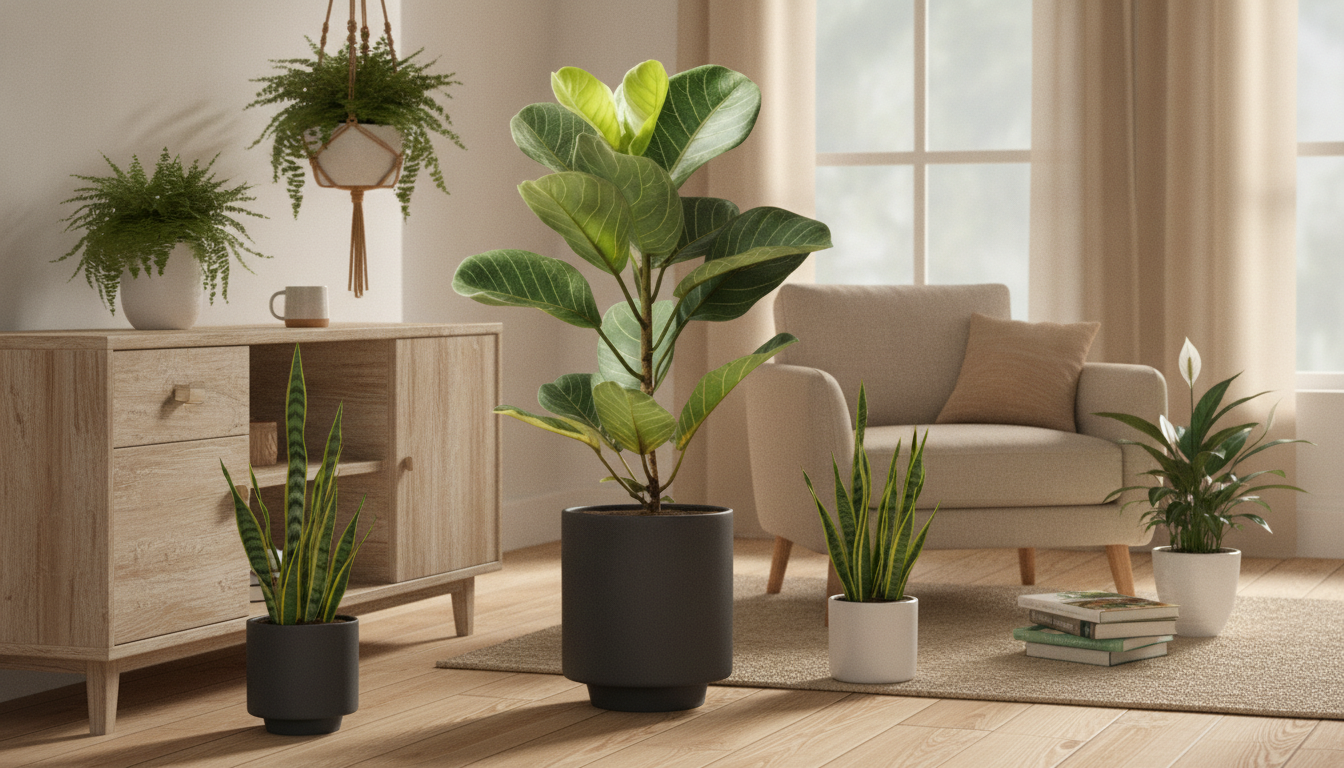
Air-Purifying Plants for a Healthier Home: Easy-Care Picks and a Modern Indoor Garden Plan
Indoor plants can make a home feel calmer and more inviting, and some are known for helping reduce certain airborne compounds under specific conditions. The most practical approach is to choose resilient plants that match your light and lifestyle, then place them strategically, care for them consistently, and pair them with good ventilation and cleaning habits.
What “air-purifying” really means at home
Many popular houseplants can absorb small amounts of certain gases through their leaves, and the microbes living in the potting mix may also play a role. That said, the overall effect in real rooms is typically modest compared with tightly controlled lab settings.
Indoor air quality is shaped by everyday factors like ventilation, outdoor pollution that drifts indoors, cooking and candles, cleaning products, humidity, dust, and pet dander. Plants work best as a supportive layer—especially when combined with simple habits like regular dusting, vacuuming with a HEPA filter, and periodic fresh-air exchange. For practical guidance on improving indoor air, see the U.S. Environmental Protection Agency’s overview of Indoor Air Quality (IAQ).
If you’re curious about where the “air-purifying plants” idea gained traction, the classic reference is NASA’s interior plant research (Wolverton et al.): A Study of Interior Landscape Plants for Indoor Air Pollution Abatement.
Easy-care plant lineup for modern spaces
The best plants for most homes are the ones that tolerate missed waterings, adapt to indoor light, and still look great with minimal fuss. These seven are common, widely available, and beginner-friendly.
- Snake plant (Sansevieria/Dracaena trifasciata): tolerates low light, prefers drying out between waterings; ideal for busy schedules.
- Pothos (Epipremnum aureum): fast-growing trailing plant for shelves; adapts to medium/low light; water when the top inch is dry.
- Spider plant (Chlorophytum comosum): forgiving in many homes; bright indirect light helps it thrive; likes slightly moist soil.
- Peace lily (Spathiphyllum): prefers medium light and consistent moisture; wilts when thirsty, but avoid overwatering.
- Rubber plant (Ficus elastica): strong statement plant for corners with bright indirect light; water after partial dry-down; wipe leaves to reduce dust.
- Areca palm (Dypsis lutescens): adds a humidity “feel”; bright indirect light; keep evenly moist but not soggy.
- ZZ plant (Zamioculcas zamiifolia): low-maintenance for low-light rooms; water sparingly; great for offices and entryways.
Quick care guide for popular indoor plants
| Plant | Light | Watering rhythm | Placement tip | Pet caution |
|---|---|---|---|---|
| Snake plant | Low–bright indirect | Let soil dry well | Bedroom, hallway, shelves | Toxic if chewed |
| Pothos | Low–medium indirect | When top inch dries | High shelf, hanging pot | Toxic if chewed |
| Spider plant | Bright indirect | Slightly moist, not soggy | Kitchen window, desk | Generally safer; monitor pets |
| Peace lily | Medium indirect | Keep lightly moist | Living room corner | Toxic if chewed |
| Rubber plant | Bright indirect | When top 2–3 inches dry | Near window (filtered) | Toxic if chewed |
| ZZ plant | Low–medium indirect | Sparingly; drought-tolerant | Office, low-light areas | Toxic if chewed |
Placement that supports comfort and cleanliness
To get the most benefit—visual and practical—place plants where people actually spend time: near the sofa, beside a desk, on a bedroom dresser, or in a bright bathroom corner. Proximity matters more than chasing the “perfect” décor spot, as long as the plant’s light needs are met.
- Keep airflow in mind: avoid blocking vents and air returns. Better circulation helps prevent stagnant corners and supports stable temperature and humidity.
- Use clusters: group 2–4 plants with similar needs so they can share a watering day. Clusters also look more intentional than scattered single pots.
- Choose stable planters: in hallways or high-traffic areas, use tip-resistant pots. Plant stands can lift leaves away from curious pets and into brighter light.
A simple routine: water, wipe, rotate, repeat
A low-stress routine beats a complicated schedule. Most beginner-friendly plants fail from too much water, not too little.
Pet- and kid-friendly choices and safety habits
Some houseplants can irritate mouths or stomachs if chewed. If you have pets or young kids, check toxicity before buying and use placement as your first line of defense. The ASPCA’s searchable database is a helpful reference: ASPCA Animal Poison Control – Toxic and Non-Toxic Plants.
Build a modern indoor garden in small spaces
Helpful digital guides to keep it simple
If you want a quick reference you can keep on your phone, the Air-Purifying Plants for a Healthier Home digital guide includes plant-by-plant care cues, placement ideas by room, and a cleaner-home checklist designed for real routines.
For a broader wellness reset that pairs well with refreshing your living space, the Body Confidence Blueprint | Ebook Guide on How to Build Body Confidence, Self-Image & Everyday Confidence offers structured, practical exercises you can do at home—easy to stack with small daily habits like plant care and tidying.
FAQ
Do air-purifying plants actually improve indoor air quality?
Plants can remove some compounds in controlled studies, but the impact in typical homes is usually modest. For best results, pair plants with ventilation, source control (like choosing lower-VOC products), and consistent cleaning.
Which indoor plants are easiest to keep alive in low light?
Snake plants and ZZ plants are two of the most reliable low-light options. Let the soil dry between waterings and avoid “just-in-case” watering—most low-light losses come from soggy roots.
How many plants are needed for a small apartment?
A practical starting point is 3–7 plants, depending on your space and how much time you want to spend caring for them. A balanced beginner set is one floor plant, one trailing shelf plant, and one low-light plant that can handle missed waterings.
Recommended for you

Enclosed Splash-Proof Cat Litter Box: Cleaner Floors
Jun 25, 2026









Leave a comment