-
Shop
- Advanced Technologies
- AI Career Advantage Collection
- AI Skills Mastery 2026 Collection
- Arts, Crafts & Hobbies
- Bathroom
- Best-Sellers
- Car Accessories
- Dating & Social Skills
- Denim
- 7FOR
- AGOLDE
- Antony Morato
- Armani Exchange
- Boss
- Brunello Cucinelli
- Calvin Klein Jeans
- Costume National
- Desigual
- Diesel
- Dolce & Gabbana
- Dsquared²
- Ermanno Scervino
- Fendi
- Gianni Lupo
- Guess Jeans
- Ichi
- Just Cavalli
- Lee
- Levi's
- Liu Jo
- Morgan De Toi
- Mother Denim
- Only
- Pepe Jeans
- Pinko
- Replay
- Valentino
- Vero Moda
- Digital Resources
- Education & Learning
- Family & Parenting
- Fashion
- Furniture
- Gadgets
- Health & Beauty
- Health & Wellness
- Home & Garden
- Kids & Babies
- Kitchen
- Lighting
- Patio, Lawn & Garden
- Personal Growth
- Pet Care
- Pet Supplies
- Pets
- Sport & Outdoors
- TikTok Growth & Monetization Mastery
- Travel
- Wealth
- Popular
- Best deals
Enclosed Splash-Proof Cat Litter Box: Cleaner Floors
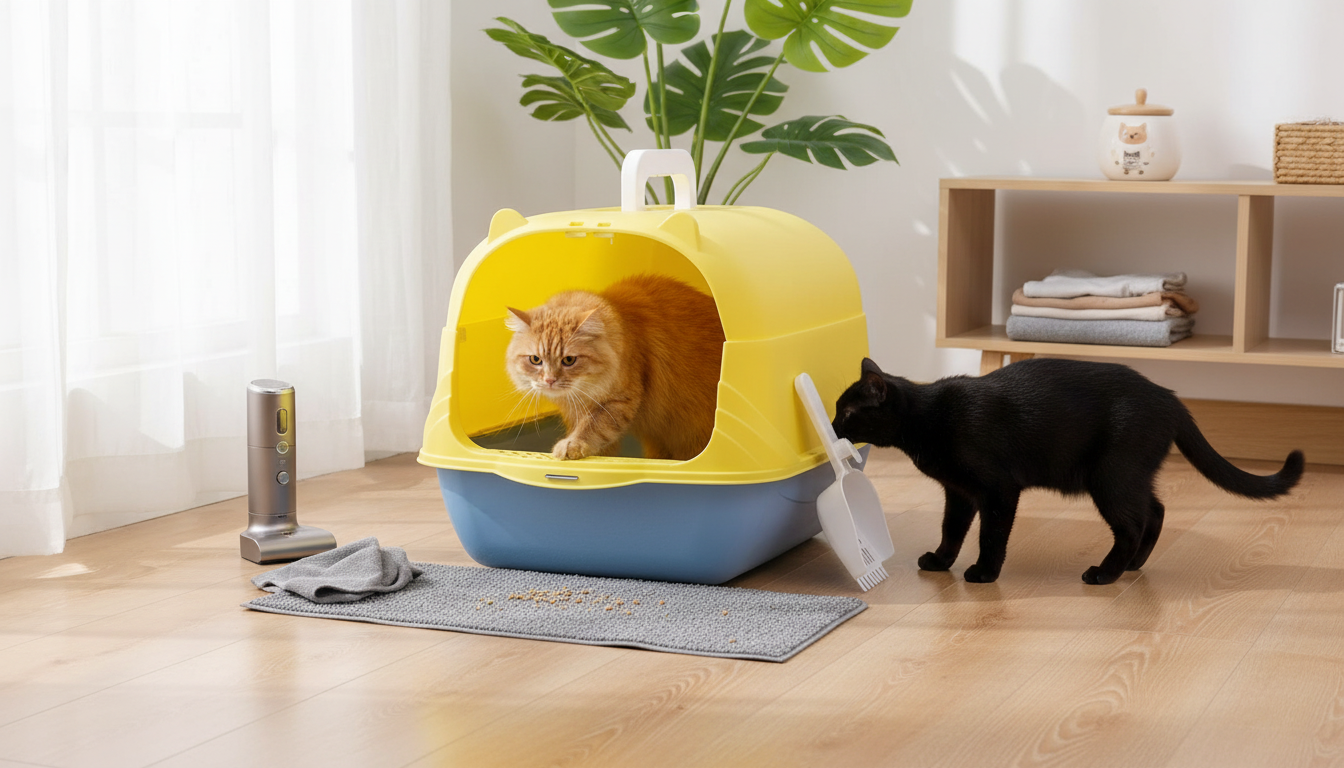
Fully Enclosed Splash-Proof Cat Litter Box for Cleaner Floors and More Privacy
Messy scatter, urine spray, and lingering odors are common pain points with open pans—especially in small homes or multi-cat spaces. A fully enclosed, splash-proof litter box adds higher walls and a covered design that helps contain splashes, reduce tracking, and give cats a more private place to go, while still keeping cleanup straightforward.
Why Fully Enclosed, Splash-Proof Designs Make a Difference
Open litter pans work for many cats, but they can fall short when you’re dealing with high kick-out, “high-peeing,” or a box that sits on easy-to-stain flooring. An enclosed, splash-proof design aims to solve those daily annoyances without turning litter duty into a complicated project.
- Helps block urine spray and kicked litter by using higher sides and an enclosed top that keeps mess inside the box.
- Improves floor cleanliness around the litter area, reducing the need for frequent sweeping and mopping.
- Adds privacy for cats that prefer a sheltered space, which can encourage more consistent litter box use.
- Can reduce visible litter area and make the setup look more tidy in apartments, bathrooms, or laundry rooms.
What to Look For in an Enclosed Litter Box
Not all covered boxes control mess equally. Small design details—entry height, lid fit, and interior smoothness—can make the difference between “finally, clean floors” and “why is there still litter everywhere?”
- Entry style: front-door, top-entry, or both; choose based on cat age, mobility, and preferences.
- Splash control: tall base walls, snug-fitting lid, and a design that prevents gaps where spray can escape.
- Ease of cleaning: lid that removes easily, smooth interior surfaces, and enough opening size to scoop comfortably.
- Odor strategy: compatibility with clumping litter, space for deodorizing filters (if included), and good ventilation balance.
- Tracking control: step area, grid, or threshold that knocks litter off paws before the cat exits.
- Size fit: enough turning room for the cat to circle and squat naturally without touching walls.
If house-soiling or litter box avoidance is part of the picture, it’s worth reviewing basic best practices and behavior/health considerations from trusted references like AAHA’s litter box basics and the Cornell Feline Health Center overview of house soiling.
Quick Comparison: Open Pan vs. Enclosed Splash-Proof
Use this snapshot to decide whether an enclosed setup matches the household’s mess level, available space, and the cat’s comfort.
| Feature | Open pan | Fully enclosed splash-proof |
|---|---|---|
| Urine spray containment | Low | High |
| Litter kick-out | Medium to high | Lower (depends on entry design) |
| Odor visibility in room | Often higher | Often lower (with proper cleaning and litter) |
| Cat privacy | Low | Higher |
| Scoop access | Easiest | Easy to moderate (lid/door design matters) |
| Tracking control | Depends on mat | Often improved (threshold/step/top-entry options) |
How to Set It Up for Less Mess and Less Smell
An enclosed box does a lot of the physical “containment” work, but day-to-day odor control and tracking still come down to setup and routine.
- Placement: choose a quiet, low-traffic spot with an easy approach route; avoid forcing cats to pass loud appliances.
- Litter depth: keep an even bed that supports digging without encouraging overflow; remove clumps daily.
- Add a litter mat: pair the box with a textured mat to catch stray granules and reduce tracking further.
- Ventilation: keep the area fresh; enclosed boxes help contain mess, but odor control still depends on regular cleaning.
- Multi-cat rule of thumb: provide enough boxes to prevent crowding and accidents; spread boxes across the home when possible.
When litter box problems pop up suddenly—like avoidance, accidents, or “new” spraying—behavior and stress can be factors, but health issues can be too. The ASPCA’s guide to common litter box problems is a helpful starting point for troubleshooting patterns at home.
Helping a Cat Transition to an Enclosed Box
Some cats walk right in; others need a slower ramp-up. The goal is to make the new box feel familiar, not like a trap or a surprise.
Featured Option: Fully Enclosed Splash-Proof Cat Litter Box
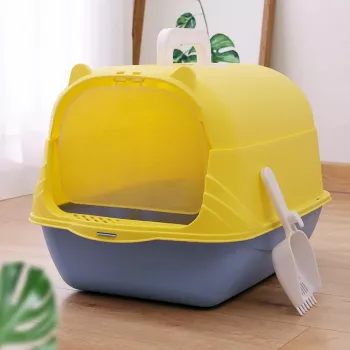
For households tired of wiping baseboards, chasing scattered granules, or dealing with splash marks around the box, a dedicated splash-proof enclosure can be a practical upgrade. The Fully Enclosed Splash-Proof Cat Litter Box is designed to help contain splashes and scattered litter with an enclosed structure that keeps mess off surrounding floors.
More In-Stock Picks (If You’re Bundling a Home Refresh)
- High-Pressure Portable Bike Floor Pump 160 PSI with Dual-Valve Head (handy for keeping tires topped off if you store a bike near the entry or utility area).
- Body Confidence Blueprint | Ebook Guide on How to Build Body Confidence, Self-Image & Everyday Confidence (a quick digital option if you’re building more consistent daily habits overall).
Cleaning and Maintenance Routine That Keeps It Fresh
FAQ
Do enclosed litter boxes reduce odor?
They can reduce how much odor spreads into the room by containing airflow and mess, but odor control still depends on frequent scooping, full litter changes, and washing the box. Poor ventilation or infrequent cleaning can make smells worse even in a covered box.
Will a fully enclosed box work for a cat that sprays?
It often helps because higher walls and a covered lid block urine from reaching floors and walls. Choose a design with tall side panels and minimal gaps; keep the box very clean and consult a vet if spraying is new or persistent.
Is an enclosed litter box safe for older cats?
Yes if entry is easy and low enough for comfortable stepping. For seniors or cats with arthritis, avoid steep climbs; consider a roomier box, a low-threshold entrance, and a non-slip mat at the entry.











Leave a comment