-
Shop
- Advanced Technologies
- AI Career Advantage Collection
- AI Skills Mastery 2026 Collection
- Arts, Crafts & Hobbies
- Bathroom
- Best-Sellers
- Car Accessories
- Dating & Social Skills
- Denim
- 7FOR
- AGOLDE
- Antony Morato
- Armani Exchange
- Boss
- Brunello Cucinelli
- Calvin Klein Jeans
- Costume National
- Desigual
- Diesel
- Dolce & Gabbana
- Dsquared²
- Ermanno Scervino
- Fendi
- Gianni Lupo
- Guess Jeans
- Ichi
- Just Cavalli
- Lee
- Levi's
- Liu Jo
- Morgan De Toi
- Mother Denim
- Only
- Pepe Jeans
- Pinko
- Replay
- Valentino
- Vero Moda
- Digital Resources
- Education & Learning
- Family & Parenting
- Fashion
- Furniture
- Gadgets
- Health & Beauty
- Health & Wellness
- Home & Garden
- Kids & Babies
- Kitchen
- Lighting
- Patio, Lawn & Garden
- Personal Growth
- Pet Care
- Pet Supplies
- Pets
- Sport & Outdoors
- TikTok Growth & Monetization Mastery
- Travel
- Wealth
- Popular
- Best deals
Garden Zen: 30-Minute Yard Declutter Checklist
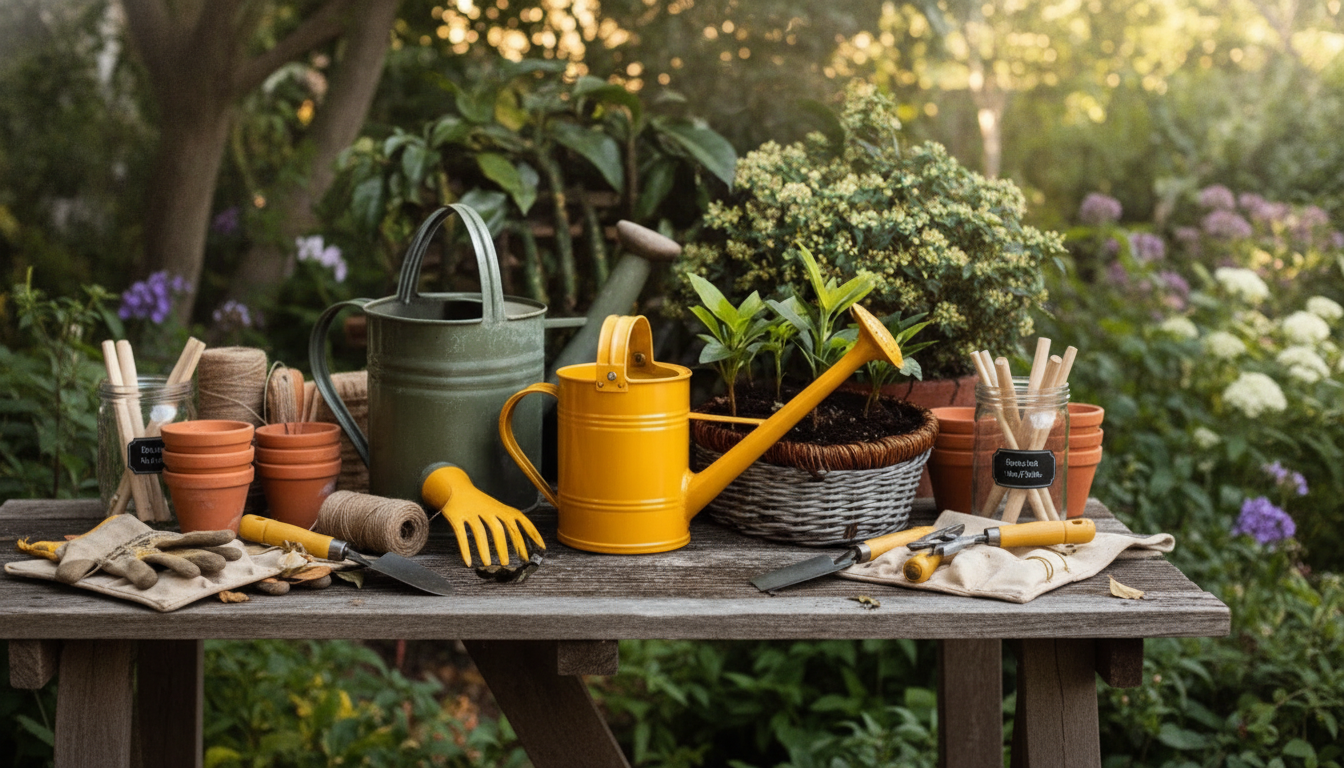
Garden Zen: Declutter Your Outdoor Oasis With a Printable Checklist
A calm, organized yard is easier to maintain and more enjoyable to spend time in. The simplest way to get there is to stop treating outdoor cleanup like one giant project and start using a repeatable plan: quick sessions, clear zones, and a printable checklist that keeps progress visible and stress low.
Why outdoor clutter feels heavier than indoor clutter
Outdoor clutter tends to feel more overwhelming because it spreads fast and hides in plain sight. Tools, pots, kids’ gear, seasonal décor, and half-finished projects multiply quickly—especially when “temporary” piles sit out for weeks. Weather also turns “maybe useful” items into eyesores: cracked plastics, rusted metal, mildewed cushions, and soggy cardboard create visual noise and real safety hazards.
When the yard is decluttered, everyday routines get easier. Watering, mowing, pruning, and even relaxing feel simpler when pathways are clear, storage is predictable, and you can put your hands on what you need in seconds.
Set up a 30-minute reset: the Garden Zen method
The fastest path to a calmer outdoor space is a short, repeatable reset that avoids overthinking.
- Start with a timer. Thirty minutes is long enough to make progress and short enough to prevent decision fatigue.
- Grab five containers: Keep (store), Keep (use weekly), Donate, Trash/Recycling, and “Decision Later” (limit to one small bin).
- Choose one zone at a time. Finishing a small area beats starting five big ones.
- End each session with a 3-minute sweep: return tools, toss obvious trash, and clear one walking path.
Fast sorting decisions for common yard items
| Item | Keep if… | Let go if… | Best next step |
|---|---|---|---|
| Plant pots & trays | Used this season and stack neatly | Cracked, sun-brittle, or mismatched piles | Keep a single bin/tote of extras; recycle damaged plastic where accepted |
| Tools | Works well and has a home | Rusty, duplicate, or missing parts | Create a “working set” and label a hook/slot for each tool |
| Hoses & watering gear | No leaks and easy to coil | Kinked, leaking, or tangles every time | Add a hose reel or large hook; store nozzles in a small caddy |
| Fertilizer & chemicals | Clearly labeled and not expired | Unknown contents or past date | Follow local household hazardous waste rules for disposal |
| Outdoor cushions & textiles | Clean, dry, and fits current furniture | Moldy, faded, or never used | Store in a weatherproof bin; wash or discard damaged items |
Declutter by zones (so nothing gets missed)
Outdoor clutter often returns because it migrates: something gets moved “for now” and never makes it back. Zone-based decluttering keeps decisions contained and results visible.
- Entry and front path: Remove trip hazards, relocate stray pots, and keep one clear walkway for daily use.
- Patio/deck: Limit surfaces to a few functional items. Store candles, games, and small tools in one lidded bin.
- Garden beds: Pull broken edging, toss torn plant tags, and group stakes/ties into a single container.
- Shed/garage corner: Create categories (hand tools, power tools, soil amendments, irrigation) and assign each a shelf or wall section.
- Kids/pets area: Keep only what’s currently used. Rotate toys seasonally and store balls/leashes in a labeled tote.
What to keep: a calm-yard checklist that still supports real life
Safe disposal and donation for outdoor items
- Donate usable items: intact pots, working tools, unopened soil/seed (where accepted), and clean patio décor.
- Recycle what you can: scrap metal tools, cardboard packaging, and plant pots if local recycling allows.
- Dispose safely: fuels, pesticides, and unknown chemicals should follow local hazardous waste guidelines. The EPA’s overview of Household Hazardous Waste (HHW) is a reliable starting point.
- Compost thoughtfully: disease-free trimmings and leaves are great; avoid composting invasive weeds or diseased plants when advised locally. For basics, see the USDA guide to composting at home.
If cushions or textiles have visible mold, prioritize safety and proper cleanup steps. The CDC’s guidance on mold cleanup can help you decide what to clean versus what to discard.
Simple storage that keeps the calm going
Use a printable checklist to stay consistent (even when busy)
For a ready-to-use plan, keep a copy of Printable Home Garden Declutter Checklist for a Calm, Organized Yard near your storage area so it’s easy to grab and follow.
If part of your clutter comes from bikes, helmets, and ride gear collecting by the door or in the garage, a secure, designated spot helps. Consider setting up a small “ride station” and using a reliable lock like the Heavy-Duty 4-Digit Chain Lock for Bikes, E-Bikes & Motorcycles to keep high-value items from drifting into random corners.
And if “miscellaneous garage stuff” includes cycling accessories, keeping a maintenance bin reduces loose clutter. A tool-adjacent item like the High-Pressure Portable Bike Floor Pump 160 PSI with Dual-Valve Head can live in that bin so it’s always in the same place (instead of leaning against a wall until it falls over).
FAQ
How often should a yard be decluttered?
A quick weekly reset (about 10 minutes) prevents small messes from becoming weekend-long projects. Add seasonal declutters in spring and fall, and check sheds or storage corners monthly to stop pileups early.
What should be done with old pesticides, fertilizers, or unknown chemicals?
Don’t pour them out or toss loose containers in the trash. Keep products sealed (in the original container if possible), store them safely away from kids and pets, and use a local household hazardous waste program for proper disposal.
How can outdoor clutter be prevented from coming back?
Set container limits (one bin for extras), create a small daily-use station, and label storage by category so items always have a home. Use the printable checklist as a recurring routine, and apply a one-in-one-out rule for décor and gear.
Recommended for you



Triangle Body Shape Style Guide: Balance & Flatter
Jun 27, 2026












Leave a comment