-
Shop
- Advanced Technologies
- AI Career Advantage Collection
- AI Skills Mastery 2026 Collection
- Arts, Crafts & Hobbies
- Bathroom
- Best-Sellers
- Car Accessories
- Dating & Social Skills
- Denim
- 7FOR
- AGOLDE
- Antony Morato
- Armani Exchange
- Boss
- Brunello Cucinelli
- Calvin Klein Jeans
- Costume National
- Desigual
- Diesel
- Dolce & Gabbana
- Dsquared²
- Ermanno Scervino
- Fendi
- Gianni Lupo
- Guess Jeans
- Ichi
- Just Cavalli
- Lee
- Levi's
- Liu Jo
- Morgan De Toi
- Mother Denim
- Only
- Pepe Jeans
- Pinko
- Replay
- Valentino
- Vero Moda
- Digital Resources
- Education & Learning
- Family & Parenting
- Fashion
- Furniture
- Gadgets
- Health & Beauty
- Health & Wellness
- Home & Garden
- Kids & Babies
- Kitchen
- Lighting
- Patio, Lawn & Garden
- Personal Growth
- Pet Care
- Pet Supplies
- Pets
- Sport & Outdoors
- TikTok Growth & Monetization Mastery
- Travel
- Wealth
- Popular
- Best deals
Triangle Body Shape Style Guide: Balance & Flatter
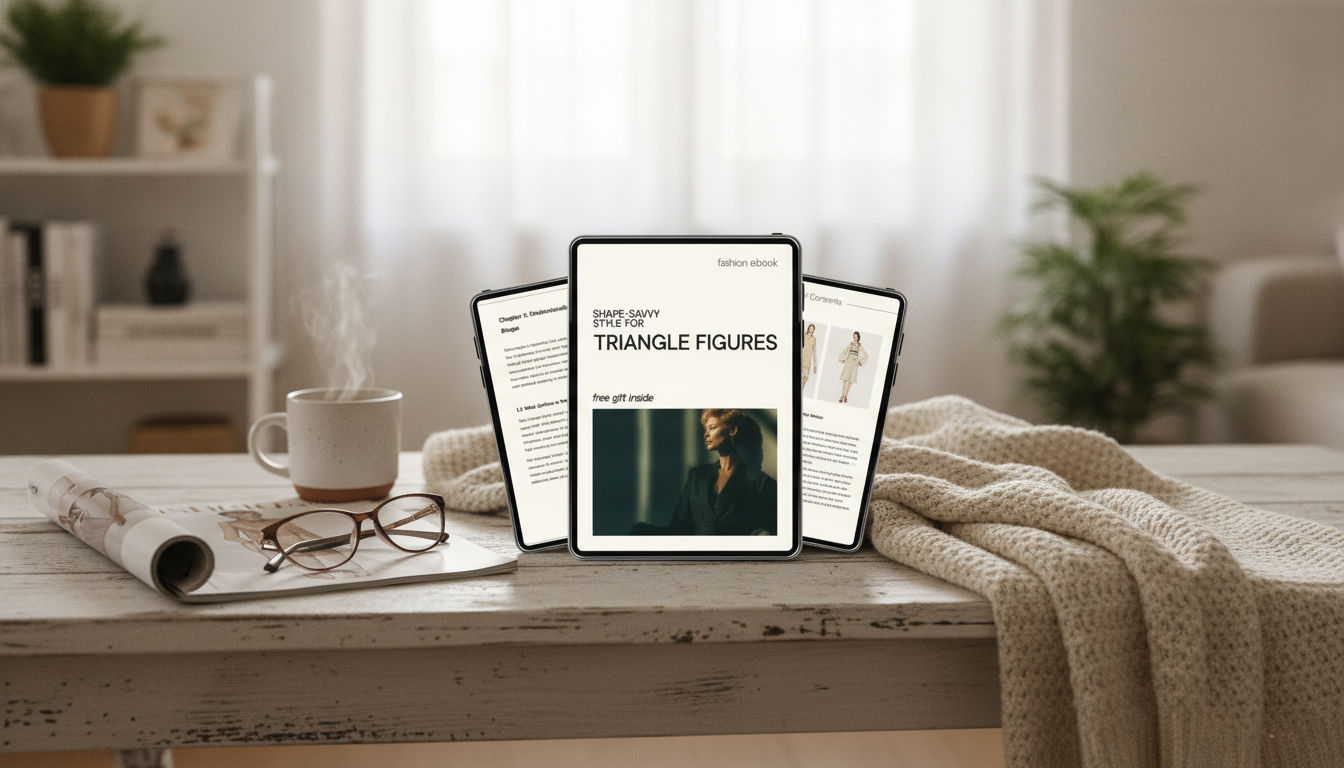
Shape-Savvy Style for Triangle Figures: Dress Your Triangle Body Shape with Confidence
Triangle figures (often called pear shapes) typically have hips and thighs that are fuller than the shoulders and bust, often with a more defined waist. The most flattering styling approach is less about “hiding” curves and more about creating visual balance: build a little structure and interest through the upper body, choose bottoms that skim smoothly, and use lines and color placement to highlight your proportions in a way that feels like you. For more guidance, see How To Dress If You Have an Hourglass Body Shape – Lookiero.
Triangle Body Shape Basics
Triangle body shapes commonly share a few traits: shoulders that appear narrower than the hips, weight that’s often carried through the hips and thighs, and a waist that may be naturally defined. Since the lower half can read visually “stronger,” the style focus is usually to add intention up top and keep the lower half clean and streamlined.
Fit matters more than any label. Comfortable waistbands, a smooth fit over the hip, and fabrics that drape instead of cling can make the same outfit look entirely different. If something pulls at the pockets, rides up, or creates diagonal stress lines at the hip, it’s usually a cut issue—not a you issue.
Necklines, Sleeves, and Tops That Balance the Silhouette
To visually broaden the shoulder line, start with necklines that open the upper chest and create horizontal width. Boat necks, square necks, off-shoulder styles, and wide scoops are reliable options for many triangle figures.
Structure helps, especially at the shoulder seam. When seams sit right on the shoulder edge, your whole top half looks sharper. Light shoulder padding (or a structured knit) can add balance without looking bulky, particularly under blazers and jackets.
Top details that work hard (in a good way)
- Sleeves: Puff sleeves, flutter sleeves, cap sleeves, and statement cuffs add proportion up top when kept intentional (one “hero” detail at a time).
- Lengths: Cropped-at-waist or hip-bone lengths can spotlight a defined waist. Longer tunics can work when they skim and include side slits to prevent pulling at the hips.
- Color and texture: Lighter/brighter shades, prints, and texture on your top half create an easy visual lift.
Bottoms: Jeans, Pants, Skirts, and Shorts That Skim Smoothly
For triangle figures, the most comfortable bottoms usually support the waist and glide over the hips. A mid to high rise often prevents the waistband from cutting across the widest part of the hip and helps keep the front smooth.
Jeans and pants
- Go-to cuts: Straight leg, bootcut, subtle flare, and fluid wide leg styles tend to balance hips while elongating the leg line.
- Watch for pull lines: If whiskering strains, pockets flare, or you see diagonal lines from the hip, you likely need more room in the hip/thigh or a different cut (not a smaller size).
- Fabric matters: Denim with stretch recovery (it bounces back) stays polished longer and reduces cling.
Skirts and shorts
- Skirts: A-line, bias-cut, and gently flared midis offer movement without adding bulk. Favor fabrics that move rather than stiff materials that “stand” away from the body.
- Shorts: Tailored A-line or relaxed hems are often more comfortable than rigid, tight denim. A slightly longer inseam can look intentional and refined.
Dresses and Jumpsuits: One-Piece Wins for Triangle Figures
One-piece outfits can be the easiest way to get balance quickly because the whole look is designed as a single silhouette.
- Fit-and-flare and wrap dresses: These often highlight the waist while giving the skirt room to drape over hips and thighs.
- Empire and defined-waist styles: They can work beautifully when the skirt fabric is fluid (to avoid added bulk at the hip).
- Sheath and slip dresses: Choose thicker, smoother fabrics, and look for strategic seaming or a slight A-line rather than a tight straight cut.
- Jumpsuits: Look for wide or straight legs with a defined waist and a neckline that adds width to the shoulders.
Outerwear That Adds Structure Up Top
Color, Pattern, and Accessories for Visual Balance
Outfit Formulas for a Triangle-Friendly Capsule
Quick Style Guide for Triangle Figures
| Goal | Try | Skip (When It Adds Bulk) |
|---|---|---|
| Broaden the upper body | Boat/square neck, statement sleeves, structured shoulders | Very narrow V-necks with no shoulder detail |
| Streamline the hips | Straight/bootcut jeans, fluid wide legs, bias-cut skirts | Stiff fabrics that stand away at the hip |
| Highlight the waist | Wrap styles, belted dresses, high-rise bottoms | Low-rise cuts that pull across the hip |
| Lengthen the leg line | Monochrome bottoms, pointed toes, clean hems | Heavy ankle straps that visually shorten the leg |
Fit Troubleshooting: Small Tweaks That Make a Big Difference
Shop Helpful Style Guides
- Shape-Savvy Style for Triangle Figures: The Ultimate Guide to Dressing Your Triangle Body Shape
- Body Confidence Blueprint | Ebook Guide on How to Build Body Confidence, Self-Image & Everyday Confidence
FAQ
What should triangle body shapes avoid wearing?
Avoid pieces that create unwanted bulk at the hips, like very stiff skirts that flare outward or bottoms that are too tight through the thigh/hip. Instead, swap to fluid fabrics, cleaner lines, and add interest up top with a wider neckline or structured shoulders.
Can triangle figures wear skinny jeans?
Yes—choose a thicker denim with good stretch recovery and make sure the waistband and thighs feel comfortable (no pulling lines). Pair skinnies with a top that adds shoulder or neckline interest to keep the overall look balanced.
What dress styles look best on a triangle body shape?
Wrap dresses and fit-and-flare silhouettes are favorites because they define the waist and allow the skirt to drape smoothly over hips. Styles with shoulder or neckline detail also help balance proportions, especially when the skirt fabric has movement.
Recommended for you

Garden Zen: 30-Minute Yard Declutter Checklist
Jun 27, 2026











Leave a comment