-
Shop
- Advanced Technologies
- AI Career Advantage Collection
- AI Skills Mastery 2026 Collection
- Arts, Crafts & Hobbies
- Bathroom
- Best-Sellers
- Car Accessories
- Dating & Social Skills
- Denim
- 7FOR
- AGOLDE
- Antony Morato
- Armani Exchange
- Boss
- Brunello Cucinelli
- Calvin Klein Jeans
- Costume National
- Desigual
- Diesel
- Dolce & Gabbana
- Dsquared²
- Ermanno Scervino
- Fendi
- Gianni Lupo
- Guess Jeans
- Ichi
- Just Cavalli
- Lee
- Levi's
- Liu Jo
- Morgan De Toi
- Mother Denim
- Only
- Pepe Jeans
- Pinko
- Replay
- Valentino
- Vero Moda
- Digital Resources
- Education & Learning
- Family & Parenting
- Fashion
- Furniture
- Gadgets
- Health & Beauty
- Health & Wellness
- Home & Garden
- Kids & Babies
- Kitchen
- Lighting
- Patio, Lawn & Garden
- Personal Growth
- Pet Care
- Pet Supplies
- Pets
- Sport & Outdoors
- TikTok Growth & Monetization Mastery
- Travel
- Wealth
- Popular
- Best deals
Sensitive Skin or Allergy? A Simple Reaction Checklist
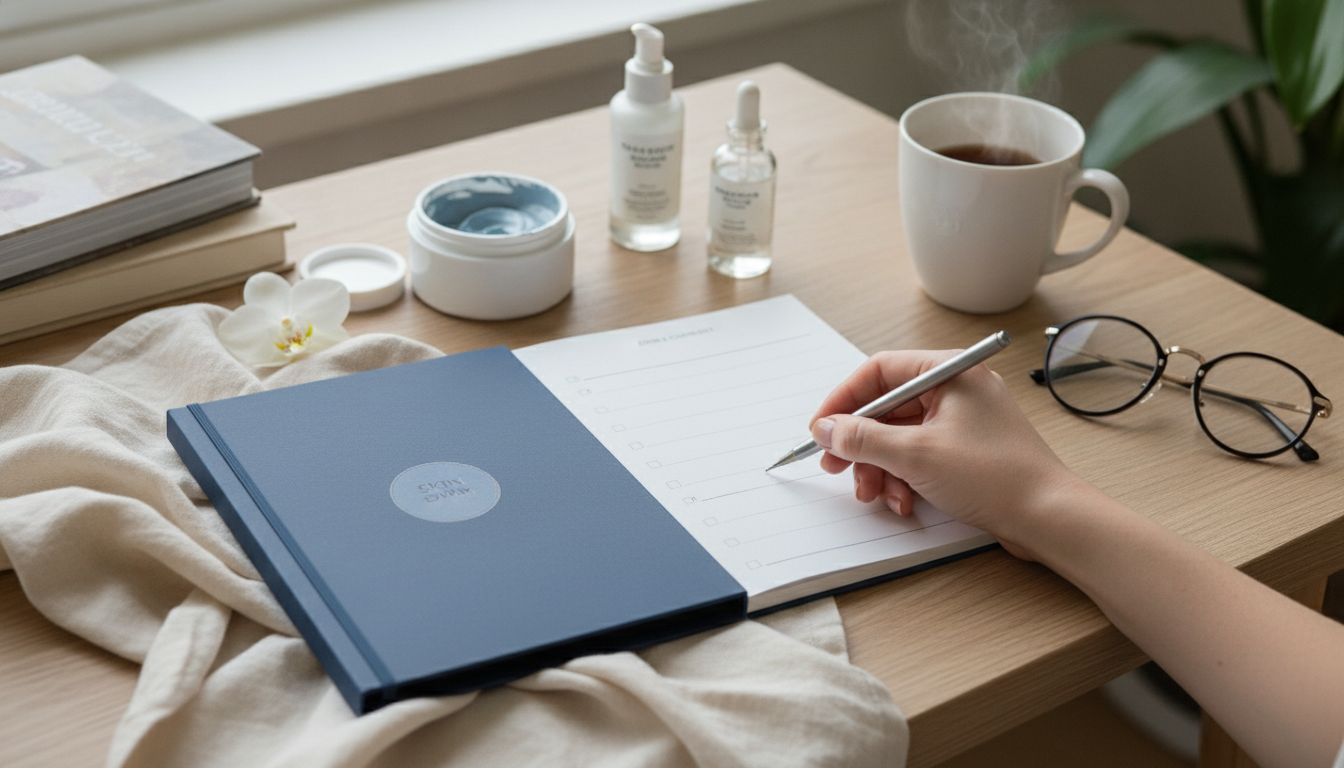
Skin Sensitivity vs Allergy Checklist: Understand Reactions, Spot Triggers, and Choose Skincare with Confidence
Skin can sting, burn, itch, or break out for very different reasons. This guide clarifies the difference between sensitivity and allergy, walks through a practical at-home checklist, and helps narrow down likely triggers so skincare decisions feel less like guesswork and more like a plan.
Sensitivity vs allergy: what changes (and why it matters)
Sensitivity is usually about irritation and a stressed skin barrier. When your barrier is compromised—by over-cleansing, dry weather, too many actives, friction, or harsh formulas—skin can react to products that were “fine” before.
An allergy, on the other hand, is an immune response. The most common skincare-related allergy is allergic contact dermatitis: your immune system learns to recognize a specific ingredient as a problem and then triggers inflammation on repeat exposure. That’s why allergies tend to become predictable with the same trigger, while sensitivity can fluctuate with stress, seasons, and how aggressive your routine has been lately.
Because the causes differ, the next steps differ too: sensitivity often improves with barrier repair and simplifying; allergy calls for strict avoidance and, when patterns recur, professional patch testing (not the same as consumer “patch testing”). For more background on contact dermatitis, see the American Academy of Dermatology and Mayo Clinic.
Quick comparison: sensitivity vs allergy
| Clue | More typical of sensitivity | More typical of allergy |
|---|---|---|
| Timing | Can be immediate or within hours, especially after exfoliants/cleansers | Often delayed 24–72 hours after exposure |
| Feeling | Stinging, burning, tightness, dryness | Intense itch, swelling, rash-like patches |
| Pattern | May occur with many products; worse when barrier is stressed | Happens consistently with the same ingredient/product |
| Where it shows up | Commonly cheeks, around nose/mouth; can be diffuse | May appear where product touched but can spread |
| Best first response | Stop actives, moisturize, protect barrier | Stop suspected product, avoid re-exposure, consider medical advice |
First safety check: when to stop and get help
Stop using the product immediately if you notice swelling of the lips/eyes, hives, wheezing, dizziness, or a widespread rash. Seek urgent care for breathing difficulty, throat tightness, or facial swelling—those symptoms can signal a severe allergic reaction.
If you have persistent oozing, blistering, severe itching, or dermatitis that keeps spreading, schedule a medical evaluation; prescription treatment may be needed. Avoid “pushing through” burning or stinging that escalates with each use—continued exposure can intensify inflammation and stretch out recovery time.
A simple at-home checklist to map your reaction
A little structure makes it much easier to spot whether your pattern looks like sensitivity (barrier stress) or allergy (repeatable trigger).
- Record the basics: product name, full routine used that day, time applied, and first symptom time (minutes, hours, or days later).
- Track the symptom type: sting/burn, itch, redness, dryness, bumps, swelling, hives, flaking, or pain.
- Mark location and edges: sharply outlined patches often point to contact exposure; diffuse irritation can suggest barrier stress.
- Rate severity (0–10) and duration; note what calmed it (cold compress, bland moisturizer, stopping actives).
- Identify “repeat offenders”: reactions that occur every time with the same product or ingredient are higher suspicion for allergy.
Common trigger categories to check first
If you’re unsure where to start, these are frequent culprits in both irritation and allergy patterns:
- Fragrance (including essential oils): A common trigger for both allergy and irritation. Scan for “fragrance/parfum,” “aroma,” and botanical oils.
- Preservatives: Ingredients like methylisothiazolinone (MI), formaldehyde releasers, and some preservative systems can trigger contact allergy in susceptible users.
- Actives that can irritate: Retinoids, AHAs/BHAs, benzoyl peroxide, vitamin C (especially low pH formulas), and high-percentage niacinamide in already-busy routines.
- Surfactants and alcohols: Strong cleansers and high-alcohol products can strip the barrier and amplify sensitivity.
- Sunscreen filters and bases: Either chemical filters or some mineral formulas can irritate depending on the base, solvents, and additives.
If you suspect eczema-related sensitivity, the National Eczema Association has a helpful overview of contact dermatitis and how exposures can play out over time.
How to test without making things worse
Reset routine for reactive skin (72 hours to 2 weeks)
Shop smarter: ingredient-label habits that prevent repeat reactions
Digital checklist option for tracking symptoms and triggers
If you want a faster way to spot patterns, a ready-to-use tracker can keep symptoms, timing, locations, and ingredient suspects in one place. The Skin Sensitivity vs Allergy Digital Checklist is designed for quick logging so you can see whether reactions look more like barrier-driven sensitivity or repeatable allergy-like triggers—and bring clearer notes to a dermatologist if needed.
For a broader self-care approach that supports confidence during skin ups and downs, the Body Confidence Blueprint | Ebook Guide on How to Build Body Confidence, Self-Image & Everyday Confidence can be a helpful companion while you simplify routines and rebuild consistency.
FAQ
How can someone tell if it’s skin purging or a bad reaction?
Purging usually looks like breakout-type bumps in your usual acne-prone areas after starting cell-turnover actives, and it shouldn’t cause burning, swelling, or hives. Intense itch, rash-like patches, facial swelling, or worsening stinging points more toward irritation or allergy—stop the suspected product and switch to a basic reset routine if symptoms are significant or not improving.
How long do allergic skincare reactions take to show up?
Some reactions can happen quickly, but allergic contact dermatitis is often delayed and shows up 24–72 hours after exposure. If the same product causes a similar delayed rash more than once, discontinue it and consider medical patch testing to identify the trigger.
What’s the safest way to reintroduce products after a reaction?
Do a 1–2 week reset with a gentle, minimal routine, then reintroduce one product at a time every 7–14 days while keeping notes. Avoid reintroducing anything strongly suspected of causing an allergy pattern (delayed itchy rash, swelling, repeatable flares).
Recommended for you


Pair an IPX7 Bluetooth Speaker: Quick Steps & Fixes
Jun 30, 2026












Leave a comment