-
Shop
- Advanced Technologies
- AI Career Advantage Collection
- AI Skills Mastery 2026 Collection
- Arts, Crafts & Hobbies
- Bathroom
- Best-Sellers
- Car Accessories
- Dating & Social Skills
- Denim
- 7FOR
- AGOLDE
- Antony Morato
- Armani Exchange
- Boss
- Brunello Cucinelli
- Calvin Klein Jeans
- Costume National
- Desigual
- Diesel
- Dolce & Gabbana
- Dsquared²
- Ermanno Scervino
- Fendi
- Gianni Lupo
- Guess Jeans
- Ichi
- Just Cavalli
- Lee
- Levi's
- Liu Jo
- Morgan De Toi
- Mother Denim
- Only
- Pepe Jeans
- Pinko
- Replay
- Valentino
- Vero Moda
- Digital Resources
- Education & Learning
- Family & Parenting
- Fashion
- Furniture
- Gadgets
- Health & Beauty
- Health & Wellness
- Home & Garden
- Kids & Babies
- Kitchen
- Lighting
- Patio, Lawn & Garden
- Personal Growth
- Pet Care
- Pet Supplies
- Pets
- Sport & Outdoors
- TikTok Growth & Monetization Mastery
- Travel
- Wealth
- Popular
- Best deals
Downsides of Electric Fireplaces: Heat, Cost, Realism
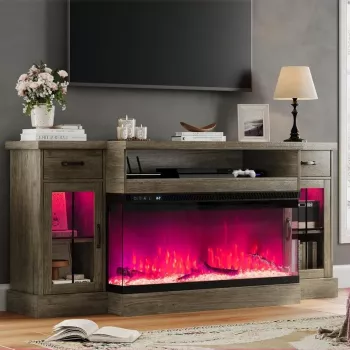
What is the downside of an electric fireplace?
Electric fireplaces are popular for their convenience and clean operation, but they come with trade-offs that matter depending on the room, the climate, and expectations for “real” heat. The biggest downside is that most models are better at supplemental warmth than heating an entire home.
They don’t heat like a real wood or gas fireplace
Many electric fireplace inserts top out around the same general heat output as a space heater. That can make a living room more comfortable, but it may struggle in large, open-concept areas, drafty rooms, or very cold regions. If primary heating is the goal, an electric unit often won’t replace a furnace, wood stove, or vented gas appliance.
Operating cost can be higher than expected
Electric fireplaces convert electricity to heat efficiently, but electricity is sometimes more expensive per unit of heat than natural gas or other fuels. Running the heater for hours every day can noticeably affect a utility bill, especially during peak-rate times. (Using the flame effect without heat can keep the look without the ongoing heating cost.)
Flame realism and “fireplace feel” vary widely
Some people find the flame effect less convincing than real fire. You also won’t get the smell, crackle, or natural radiant heat pattern of wood, and there’s no cooking capability. Higher-end inserts can look impressive, but budget models may appear flat or overly bright.
Limited placement flexibility in practice
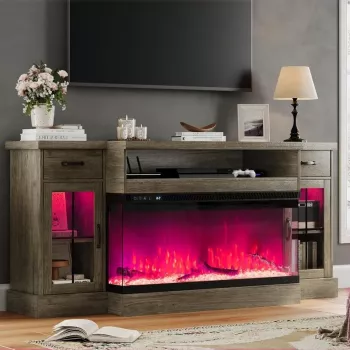
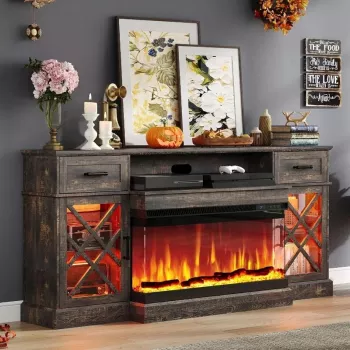
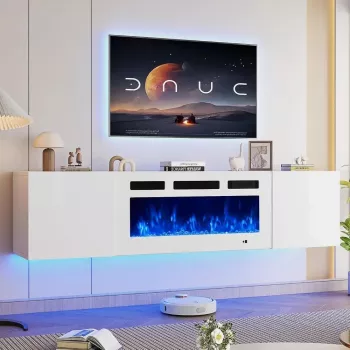
While electric units don’t need venting, they still need safe clearance, a nearby outlet, and a setup that manages cord routing and heat flow. If you’re pairing an insert with a media console, the furniture must be designed to handle the appliance’s heat and airflow.
Fan noise and maintenance quirks
Many electric fireplaces use a fan-forced heater. The sound is usually mild, but it can be noticeable in quiet spaces. Over time, dust buildup may require occasional cleaning, and inexpensive units can have shorter lifespans than a properly maintained gas insert.
For a closer look at sizing, placement, and choosing an insert for a TV stand, see the full guide: https://fatelle.com/guide-farmhouse-fireplace-tv-stand-40-inch-insert-for-80-inch-tv/.
FAQ
Do electric fireplaces use a lot of electricity?
They can if you run the heater for long periods, since the heat output is similar to a standard space heater. Using flame-only mode typically uses much less power than running the heater.











Leave a comment