-
Shop
- Advanced Technologies
- AI Career Advantage Collection
- AI Skills Mastery 2026 Collection
- Arts, Crafts & Hobbies
- Bathroom
- Best-Sellers
- Car Accessories
- Dating & Social Skills
- Denim
- 7FOR
- AGOLDE
- Antony Morato
- Armani Exchange
- Boss
- Brunello Cucinelli
- Calvin Klein Jeans
- Costume National
- Desigual
- Diesel
- Dolce & Gabbana
- Dsquared²
- Ermanno Scervino
- Fendi
- Gianni Lupo
- Guess Jeans
- Ichi
- Just Cavalli
- Lee
- Levi's
- Liu Jo
- Morgan De Toi
- Mother Denim
- Only
- Pepe Jeans
- Pinko
- Replay
- Valentino
- Vero Moda
- Digital Resources
- Education & Learning
- Family & Parenting
- Fashion
- Furniture
- Gadgets
- Health & Beauty
- Health & Wellness
- Home & Garden
- Kids & Babies
- Kitchen
- Lighting
- Patio, Lawn & Garden
- Personal Growth
- Pet Care
- Pet Supplies
- Pets
- Sport & Outdoors
- TikTok Growth & Monetization Mastery
- Travel
- Wealth
- Popular
- Best deals
AI-Safe Jobs in 2040: Careers Likely to Stay Human
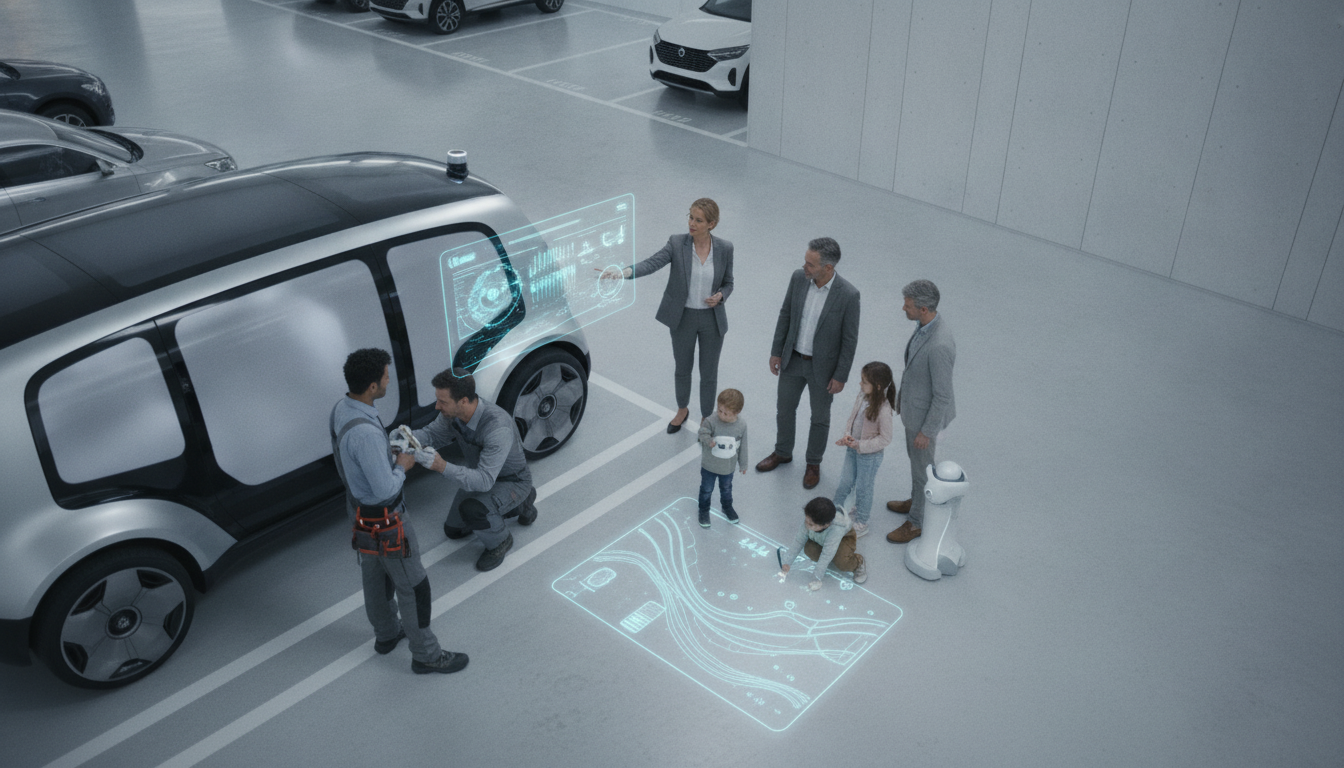
What jobs will be safe from AI in 2040?
No job is perfectly “AI-proof” in 2040, but many roles will stay in demand because they rely on real-world presence, accountability, trust, and complex human judgment. The safest bets tend to combine hands-on work with high-stakes decision-making or deep relationship-building—areas where automation helps, but doesn’t fully replace people.
Hands-on skilled trades and field work
Electricians, plumbers, HVAC technicians, welders, and industrial mechanics are likely to remain resilient. These jobs involve unpredictable environments, physical dexterity, on-the-spot troubleshooting, and safety responsibility—conditions that are hard to standardize for robots at scale.
Healthcare that requires human care and clinical judgment
Nursing, physical therapy, occupational therapy, and many medical technologist roles should stay strong. AI can assist with documentation, triage support, and pattern recognition, but patients still need human care, ethical decision-making, and nuanced assessment—especially in complex or emotional situations.
Leadership, negotiation, and relationship-driven business roles
Roles like sales leadership, account management, procurement, and operations management can use AI tools, yet still depend on trust, negotiation, and accountability. When stakes are high—money, safety, reputation—organizations typically want a responsible human in the loop.
Education, training, and specialized coaching
Teachers, vocational instructors, corporate trainers, and coaches benefit from AI content and personalization, but learning is also motivation, feedback, and social dynamics. The strongest roles will focus on mentorship, hands-on practice, and real-time guidance.
Security, compliance, and governance
Cybersecurity, privacy, risk management, and regulatory compliance are likely to grow as AI expands. Even with automation, these fields require judgment calls, incident leadership, and interpretation of changing laws and standards.
For a deeper breakdown of AI-resilient paths and practical ways to adapt, visit this guide to AI-resilient careers.
FAQ
What skills make a career more AI-resilient?
Hands-on technical ability, strong communication, domain expertise, and decision-making under uncertainty tend to hold up well. Pairing these with AI literacy (knowing how to use tools effectively) can increase both stability and pay.













Leave a comment