-
Shop
- Advanced Technologies
- AI Career Advantage Collection
- AI Skills Mastery 2026 Collection
- Arts, Crafts & Hobbies
- Bathroom
- Best-Sellers
- Car Accessories
- Dating & Social Skills
- Denim
- 7FOR
- AGOLDE
- Antony Morato
- Armani Exchange
- Boss
- Brunello Cucinelli
- Calvin Klein Jeans
- Costume National
- Desigual
- Diesel
- Dolce & Gabbana
- Dsquared²
- Ermanno Scervino
- Fendi
- Gianni Lupo
- Guess Jeans
- Ichi
- Just Cavalli
- Lee
- Levi's
- Liu Jo
- Morgan De Toi
- Mother Denim
- Only
- Pepe Jeans
- Pinko
- Replay
- Valentino
- Vero Moda
- Digital Resources
- Education & Learning
- Family & Parenting
- Fashion
- Furniture
- Gadgets
- Health & Beauty
- Health & Wellness
- Home & Garden
- Kids & Babies
- Kitchen
- Lighting
- Patio, Lawn & Garden
- Personal Growth
- Pet Care
- Pet Supplies
- Pets
- Sport & Outdoors
- TikTok Growth & Monetization Mastery
- Travel
- Wealth
- Popular
- Best deals
Solo Female Travel Safety: Smart Habits That Work
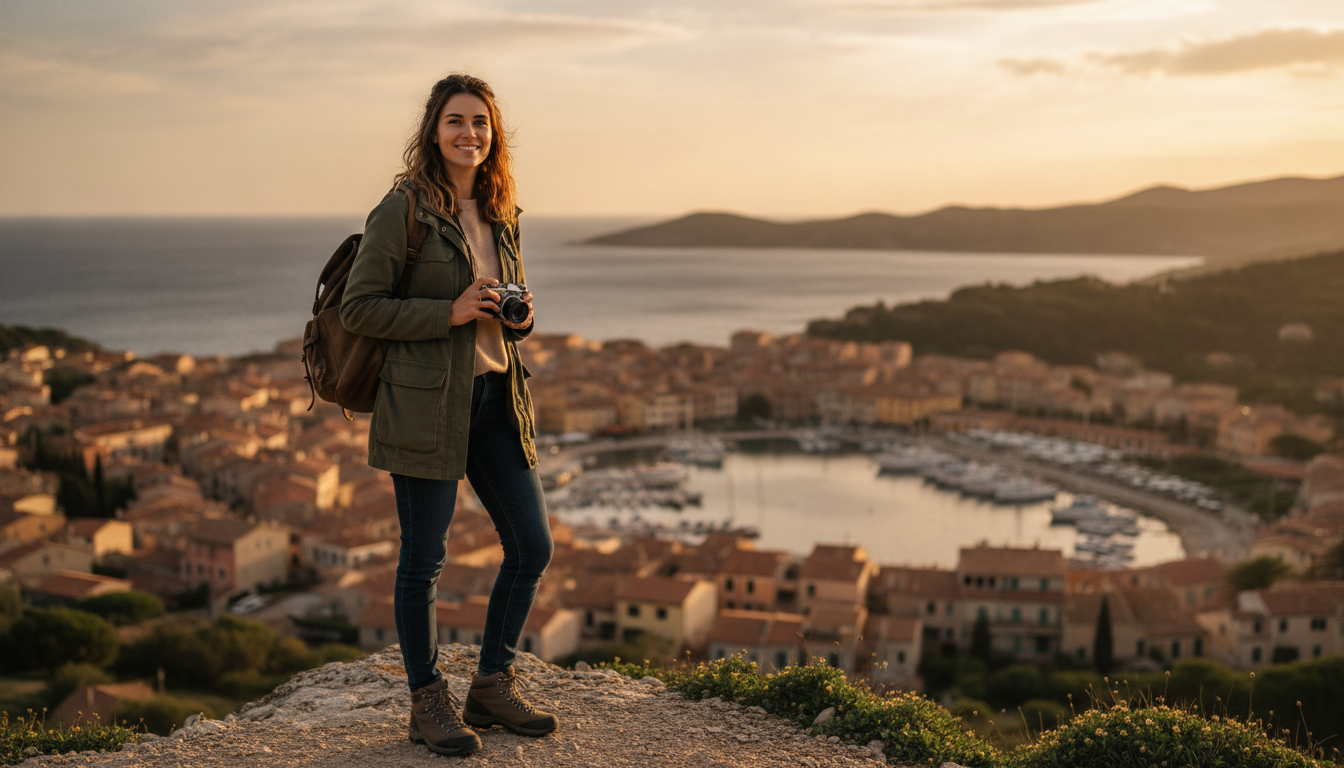
Is It Safe to Travel Alone as a Woman?
Solo travel can be empowering, efficient, and surprisingly calm—when the basics are handled well. “Safe” isn’t a single promise a destination can make; it’s the outcome of preparation, situational awareness, and repeatable routines that lower your exposure to common problems. The goal isn’t to travel in a bubble. It’s to travel with enough structure that you can relax, explore, and still have options when plans change.
What “safe” really means for solo female travel
Safety is a blend of personal risk tolerance, destination realities, and everyday decisions—how you get from point A to B, where you stay, what time you arrive, and how you respond to attention. Most negative experiences reported by travelers aren’t random; they tend to cluster around predictable moments: late arrivals, isolated routes, impairment from alcohol or exhaustion, and confusion in transit hubs.
A useful way to think about safety is “layers”: planning (knowing the basics), awareness (noticing patterns), boundaries (clear no’s), and backups (what you do when Plan A fails). Focus on controllables like arriving at a sensible hour, choosing lodging in a well-connected area, keeping communication easy, and avoiding isolation when tired or impaired.
It also helps to set a personal baseline before you book. Are you comfortable walking alone after dark? Using rideshares? Staying in a hostel dorm? Handling persistent conversation or flirting? Clear answers make it easier to choose destinations and routines that fit you instead of forcing yourself to “tough it out.”
Destination research that actually changes outcomes
Not all research is equally useful. The highest-impact research is current (last 3–6 months) and specific (neighborhoods, transit lines, common scams). Start with reputable advisories and health updates, then cross-check with recent traveler experiences.
- Check current official guidance and alerts. Look for patterns like pickpocketing hotspots, protest activity, or transit closures. Useful starting points include U.S. Department of State travel information and the UK Foreign travel advice.
- Map a “safe triangle”: your accommodation, a reliable transport hub, and a 24/7 well-lit fallback place (hotel lobby, main street café, large pharmacy).
- Read reviews for neighborhoods and properties with an eye for repeat mentions: lighting, door security, staff responsiveness, street noise, and harassment.
- Save local emergency numbers, nearest hospital/clinic, and trusted taxi/ride options before you arrive.
- Learn cultural norms that change how much attention you may get—dress expectations, photography rules, and whether solo dining is common.
Arrival-day plan: the highest-leverage safety habit
Arrival day is when travelers are most vulnerable: you’re tired, distracted, carrying valuables, and unfamiliar with your surroundings. A simple arrival plan prevents most avoidable problems.
Solo travel safety checklist by situation
| Situation | Common risk | Practical move that reduces it |
|---|---|---|
| Airport/station arrival | Confusion + opportunistic scams | Pre-book transport; use official taxi stands or in-app rides; keep address offline |
| Checking into lodging | Room access and privacy issues | Ask for a room away from ground floor when possible; confirm deadbolt/chain; don’t announce room number aloud |
| Walking at night | Harassment, pickpocketing, getting lost | Stick to lit streets; remove earbuds; share live location; have a short “bail-out” route to a busy place |
| Bars/nightlife | Drink tampering, impaired judgment | Watch drinks being made; set a hard limit; arrange ride before first drink; leave if staff feels dismissive |
| Day tours/activities | Isolation with strangers | Choose well-reviewed operators; tell someone your itinerary; keep your own transport option |
| Public transit | Crowding and theft | Wear bag crossbody in front; avoid displaying phone at doors; move cars if someone targets you |
Accommodation choices that protect your time and energy
Getting around safely: walking, transit, taxis, and rideshares
If you’ll be cycling in cities or leaving a bike outside cafes and transit stations, a serious lock matters. Consider the Heavy-Duty 4-Digit Chain Lock for Bikes, E-Bikes & Motorcycles for high-theft areas and longer stops.
Digital safety and privacy while traveling solo
Handling unwanted attention and boundary-testing
Personal confidence can be a practical safety asset, especially when it supports clearer boundaries and calmer decision-making. If you want a structured way to build that skill, the Body Confidence Blueprint is a guided resource focused on everyday confidence and self-image.
If something goes wrong: a simple response framework
For a more detailed, step-by-step approach you can keep on your phone, see Is It Safe to Travel Alone as a Woman? A Complete Guide for Solo Female Travelers.
FAQ
What are the biggest safety risks for solo female travelers?
The most common categories are petty theft (especially in crowds), harassment, drink spiking, transportation scams, and situations where you become isolated while tired or impaired. Planning your arrivals, keeping valuables secured, setting firm boundaries, and maintaining backup options reduces most of these risks.
Is it safer to stay in a hostel or a hotel when traveling alone as a woman?
Hotels often provide more controlled access and privacy, while hostels can offer built-in community and “social safety” through staff and other travelers. The safer choice depends on location, recent reviews, reception hours, and your comfort with shared spaces.
What should be shared with someone at home before a solo trip?
Share your itinerary basics, accommodation names and contact info, flight/transport details, planned check-in schedule, and copies of key documents. Add an emergency code word that signals you need help immediately without explaining why.
Recommended for you

7-Day Glowing Skin Challenge: Simple Plan That Works
Jul 24, 2026
Flame Effect Diffuser with LED Light: Cozy Calm
Jul 24, 2026












Leave a comment