-
Shop
- Advanced Technologies
- AI Career Advantage Collection
- AI Skills Mastery 2026 Collection
- Arts, Crafts & Hobbies
- Bathroom
- Best-Sellers
- Car Accessories
- Dating & Social Skills
- Denim
- 7FOR
- AGOLDE
- Antony Morato
- Armani Exchange
- Boss
- Brunello Cucinelli
- Calvin Klein Jeans
- Costume National
- Desigual
- Diesel
- Dolce & Gabbana
- Dsquared²
- Ermanno Scervino
- Fendi
- Gianni Lupo
- Guess Jeans
- Ichi
- Just Cavalli
- Lee
- Levi's
- Liu Jo
- Morgan De Toi
- Mother Denim
- Only
- Pepe Jeans
- Pinko
- Replay
- Valentino
- Vero Moda
- Digital Resources
- Education & Learning
- Family & Parenting
- Fashion
- Furniture
- Gadgets
- Health & Beauty
- Health & Wellness
- Home & Garden
- Kids & Babies
- Kitchen
- Lighting
- Patio, Lawn & Garden
- Personal Growth
- Pet Care
- Pet Supplies
- Pets
- Sport & Outdoors
- TikTok Growth & Monetization Mastery
- Travel
- Wealth
- Popular
- Best deals
Snail Damage in the Garden: ID, Protect, Control
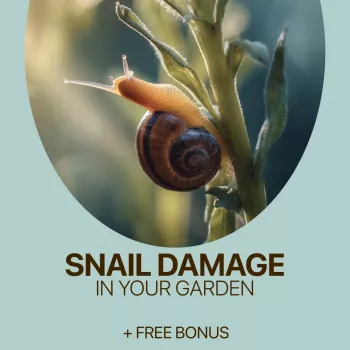
Understanding and Managing Snail Damage in Your Garden
Snails can strip seedlings overnight, leave ragged holes in leafy greens, and scar ripening fruit—often with a telltale slime trail. A lasting solution comes from correctly identifying the culprit, reducing hiding places, protecting vulnerable plants, and using targeted controls only where they make the biggest difference.
What snail damage looks like (and what it often gets confused with)
Snail and slug feeding is usually messy, fast, and focused on the softest plant tissue. Damage often appears after rain, heavy dew, or evening irrigation, when these pests are most active.
- Irregular holes in leaves, especially on tender growth and seedlings; damage often shows up overnight or after wet weather.
- Silvery slime trails on leaves, stems, soil, pots, and paths—fresh trails point to recent activity.
- Shallow scraping on leaf surfaces (a “rasped” look) and notched edges on soft leaves.
- Fruit and vegetables may show scooped-out cavities or surface scarring close to the ground (strawberries, tomatoes, squash).
- Common lookalikes: caterpillars (frass/droppings), flea beetles (tiny “shot holes”), earwigs (jagged edges but no slime), fungal leaf spots (round lesions rather than chewing).
Quick check: Snails vs. other common garden pests
| Clue | Most likely cause | Where to look next |
|---|---|---|
| Slime trail present | Snails/slugs | Under boards, pots, mulch, dense groundcover; along edges of beds and paths |
| Tiny round “shot holes” on brassicas | Flea beetles | Undersides of leaves; sunny, dry conditions; adults jump when disturbed |
| Large holes + droppings (frass) nearby | Caterpillars | Leaf undersides and plant centers; check for eggs and rolled leaves |
| Chewed petals/soft fruits at night, no slime | Earwigs | Inside blooms, crevices, under stones; inspect at dusk |
Why snails show up: conditions that amplify damage
Snails don’t need much to thrive: consistent moisture, daytime shelter, and nearby food. When those factors line up, a small population can cause outsized damage.
- Moisture and shelter: thick mulch, stacked pots, groundcover, boards, and weeds provide daytime hiding spots.
- Night feeding patterns: activity increases after watering, rain, and on cool, humid evenings.
- High-risk zones: shaded beds, low-lying areas, and borders near fences or compost piles.
- Plant susceptibility: seedlings, hostas, lettuces, basil, beans, marigolds, and many annual flowers are prime targets.
- Seasonal spikes: spring seedling stage and late summer/early fall when nights cool and moisture rises.
Confirming the culprit: simple scouting routines that work
Reliable control starts with finding where snails hide and which bed edges act like “on-ramps” into your planting area.
- Night patrol: check 1–2 hours after dusk with a flashlight; focus on the most recently damaged plants.
- Morning evidence: follow slime trails to likely shelter spots; lift boards, stones, and pot saucers carefully.
- Set monitoring stations: place a damp board, grapefruit half, or upside-down pot as a shelter; check daily and remove snails found.
- Note the pattern: damage close to soil level and on tender new growth strongly suggests snail/slug feeding.
- Track hot spots: mark bed edges and shaded corners where activity repeats; concentrate controls there first.
Immediate plant protection for vegetables and flowers
When plants are small, even a single night of feeding can set them back. The goal is to block access, reduce nighttime moisture, and quickly lower the active population.
- Physical barriers: copper tape around raised beds/pots and smooth collars around seedlings can reduce access.
- Hand removal: collect at night or early morning; repeat several nights in a row to knock down the active population.
- Targeted irrigation: water in the morning so surfaces dry by night; avoid evening watering during peak pressure.
- Seedling safeguards: start vulnerable plants in trays and transplant when sturdier; use cloches or mesh where practical.
- Sacrificial lure plants: a small patch of highly preferred greens placed away from the main bed can help concentrate activity for easier removal.
For a printable reference you can keep near the potting bench, see Practical guide to identify snail damage and protect vegetables and flowers.
Longer-term control: reducing habitat and using baits responsibly
Long-term success is less about a single “magic” product and more about changing the conditions that let snails hide and travel safely to plants. If you decide to use bait, use it like a spot treatment—small amounts where you’ve confirmed activity.
For deeper guidance on integrated management and timing, consult UC IPM’s snails and slugs guidelines and the Royal Horticultural Society overview. For ingredient background, see the EPA iron phosphate fact sheet.
Restoring a healthy garden after damage
A practical step-by-step routine for the next 7 days
Helpful add-ons for an organized, low-mess garden routine
- Understanding and Managing Snail Damage in Your Garden – Practical Guide (quick ID, monitoring steps, and protection checklist)
- Heavy-Duty 4-Digit Chain Lock for Bikes, E-Bikes & Motorcycles (useful for securing gates, tool storage, or outdoor equipment in shared spaces)
- High-Pressure Portable Bike Floor Pump 160 PSI with Dual-Valve Head (handy for topping off wheelbarrow or garden cart tires if you use them around the yard)
FAQ
Do coffee grounds or eggshells stop snails reliably?
Results are inconsistent, especially in wet weather when texture barriers break down or get washed into the soil. More dependable approaches are proven barriers (like copper or smooth collars), habitat reduction, night removal, and labeled baits when pressure stays high.
What is the safest bait option for a home garden with pets?
Iron phosphate products are commonly favored for many home gardens when used exactly as directed. Apply only the minimum amount in confirmed hotspots, store the container securely, and avoid over-application.
Why are my seedlings disappearing overnight even when I don’t see snails?
Snails and slugs feed mostly at night and hide during the day under mulch, boards, pot saucers, and dense groundcover. Check 1–2 hours after dusk, set a simple shelter “monitoring station,” and inspect under nearby debris along bed edges.













Leave a comment