-
Shop
- Advanced Technologies
- AI Career Advantage Collection
- AI Skills Mastery 2026 Collection
- Arts, Crafts & Hobbies
- Bathroom
- Best-Sellers
- Car Accessories
- Dating & Social Skills
- Denim
- 7FOR
- AGOLDE
- Antony Morato
- Armani Exchange
- Boss
- Brunello Cucinelli
- Calvin Klein Jeans
- Costume National
- Desigual
- Diesel
- Dolce & Gabbana
- Dsquared²
- Ermanno Scervino
- Fendi
- Gianni Lupo
- Guess Jeans
- Ichi
- Just Cavalli
- Lee
- Levi's
- Liu Jo
- Morgan De Toi
- Mother Denim
- Only
- Pepe Jeans
- Pinko
- Replay
- Valentino
- Vero Moda
- Digital Resources
- Education & Learning
- Family & Parenting
- Fashion
- Furniture
- Gadgets
- Health & Beauty
- Health & Wellness
- Home & Garden
- Kids & Babies
- Kitchen
- Lighting
- Patio, Lawn & Garden
- Personal Growth
- Pet Care
- Pet Supplies
- Pets
- Sport & Outdoors
- TikTok Growth & Monetization Mastery
- Travel
- Wealth
- Popular
- Best deals
Gentle Parenting Routine for Calm School Mornings
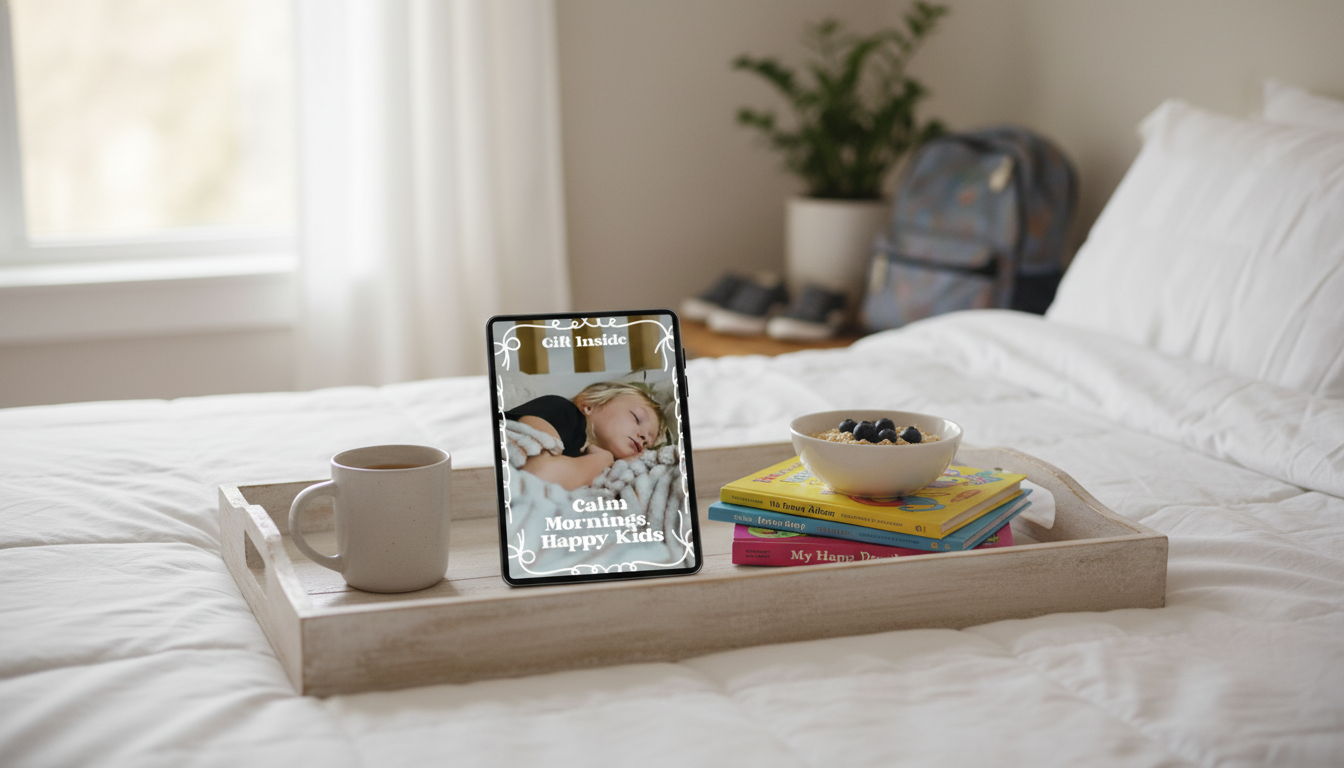
Calm Mornings, Happy Kids: A Gentle Routine for Peaceful School-Day Starts
School mornings can feel like a daily race—especially when kids are tired, hungry, overwhelmed, or resistant to transitions. A gentle parenting routine focuses on predictability, connection, and small choices that help children cooperate without fear or power struggles. The goal is not a perfect morning; it’s a calmer start that protects everyone’s nervous system and sets a steadier tone for the day.
Why mornings melt down (and why it’s not “bad behavior”)
What looks like “attitude” is often stress. Mornings stack multiple demands into a short window, and kids (and adults) can hit their limit fast.
- Transitions are hard: waking, dressing, and leaving the house pile multiple changes into a short span.
- Kids borrow regulation from adults: urgency, raised voices, and repeated commands can amplify stress responses.
- Executive function is lower in the morning: decision-making, planning, and impulse control are still “booting up.”
- Sensory friction adds fuel: scratchy waistbands, bright lights, loud alarms, and cold floors can trigger resistance that looks like defiance.
- Connection before correction reduces pushback: a brief moment of attunement often saves time later.
That “connection first” idea is backed by what we know about responsive relationships and regulation. Harvard’s Center on the Developing Child explains how serve-and-return interactions support healthy development—small moments of responsiveness add up.
The gentle parenting foundation: connection, clarity, and choices
A calmer morning routine usually isn’t about trying harder—it’s about making the path easier to follow.
Connection
Start with a short relational cue: a snuggle, back rub, special handshake, or a two-minute chat. This quick “I’m with you” moment can reduce the need for kids to fight for attention through stalling or arguing.
Clarity
Use a simple, consistent sequence in the same order most days. Predictability reduces negotiation and decision fatigue, especially in the early hours.
Choices
Offer two acceptable options: “Blue shirt or green shirt?” “Walk to the car like a turtle or like a superhero?” Kids feel agency, while boundaries stay intact.
Calm boundaries
Use fewer words, a neutral tone, and kind follow-through. One clear sentence beats five reminders. “It’s time to leave; shoes on now.” Then help them begin if needed.
Repair over perfection
If the morning goes sideways, a quick apology and reset models emotional responsibility: “I got loud. I’m sorry. Let’s take a breath and try again.”
Set tomorrow up tonight: remove the hidden stressors
Most “morning problems” are actually “setup problems.” A few evening habits can prevent the pressure-cooker feeling at 7:15 a.m.
- Create a launch pad by the door: backpack, water bottle, library books, signed forms—one spot, every day.
- Pre-decide breakfast: rotate 3–5 reliable options; include quick protein to prevent hunger-fueled crankiness.
- Simplify clothing: pre-select outfits; keep a small set of comfortable school staples within reach.
- Make time visible: a visual timer or checklist helps kids track progress without you narrating every step.
- Protect sleep: a consistent bedtime routine supports morning resilience. The American Academy of Pediatrics (HealthyChildren.org) offers practical, age-based guidance on sleep and routines.
Low-stress school morning flow (example for ages 4–10)
| Time | What happens | Adult’s role | Gentle phrase to try |
|---|---|---|---|
| 7:00 | Wake + connection | Keep lights soft; brief cuddle or greeting ritual | “Good morning. I’m here. Let’s start slow.” |
| 7:05 | Bathroom + dress | Offer two clothing choices; avoid rapid-fire reminders | “Do you want the striped shirt or the plain one?” |
| 7:20 | Breakfast | Sit for 2 minutes; keep the menu predictable | “First bites help our bodies wake up.” |
| 7:35 | Teeth + hair | Use a timer; turn it into a short game | “When the timer beeps, we’ll be all done.” |
| 7:45 | Shoes + out the door | One clear instruction; follow through kindly | “Shoes on. I’ll help if you want.” |
A five-minute reset for tough mornings
When things escalate, the fastest way forward is often a brief downshift—then one small step.
Scripts that reduce power struggles (without bribing or threats)
Support for different temperaments and ages
A guided plan to make calm mornings stick
For families who want a structured gentle parenting framework, Calm Mornings, Happy Kids – Gentle Parenting Ebook for a Kids Morning Routine Without Stress | Peaceful School-Day Starts Guide offers a practical plan, ready-to-use routines, and supportive language designed for busy school days.
If your child benefits from comfort during transitions (wake-up, getting dressed, or heading out the door), a soft companion can support co-regulation without turning into a negotiation tool. Cozy Cuddly Cowboy Bear Plush Toy – Soft Hugging Companion can be a simple “hold and breathe” helper while you guide the next step.
FAQ
How long does it take to build a calmer morning routine?
With a consistent sequence, many families notice improvement within 1–3 weeks, with some ups and downs along the way. Start with one change—like a launch pad, earlier bedtime, or a visual timer—so progress is easier to feel and maintain.
What if a child refuses to get dressed or leave the house?
Use validation plus a firm boundary, then offer two choices: “You didn’t want to stop playing. Do you want the red shirt or the blue shirt?” Keep words minimal and help them start the first step; if you’re truly out of time, focus on regulation first and use the gentlest workable backup plan (like bringing clothes along) rather than escalating into a power struggle.
Is gentle parenting the same as letting kids do whatever they want?
No—gentle parenting includes clear, kind boundaries and consistent follow-through. Predictable routines, limited choices, and calm guidance support cooperation without threats, shame, or fear.















Leave a comment