-
Shop
- Advanced Technologies
- AI Career Advantage Collection
- AI Skills Mastery 2026 Collection
- Arts, Crafts & Hobbies
- Bathroom
- Best-Sellers
- Car Accessories
- Dating & Social Skills
- Denim
- 7FOR
- AGOLDE
- Antony Morato
- Armani Exchange
- Boss
- Brunello Cucinelli
- Calvin Klein Jeans
- Costume National
- Desigual
- Diesel
- Dolce & Gabbana
- Dsquared²
- Ermanno Scervino
- Fendi
- Gianni Lupo
- Guess Jeans
- Ichi
- Just Cavalli
- Lee
- Levi's
- Liu Jo
- Morgan De Toi
- Mother Denim
- Only
- Pepe Jeans
- Pinko
- Replay
- Valentino
- Vero Moda
- Digital Resources
- Education & Learning
- Family & Parenting
- Fashion
- Furniture
- Gadgets
- Health & Beauty
- Health & Wellness
- Home & Garden
- Kids & Babies
- Kitchen
- Lighting
- Patio, Lawn & Garden
- Personal Growth
- Pet Care
- Pet Supplies
- Pets
- Sport & Outdoors
- TikTok Growth & Monetization Mastery
- Travel
- Wealth
- Popular
- Best deals
4-Piece Silicone Scalp Massager & Detangling Comb Set
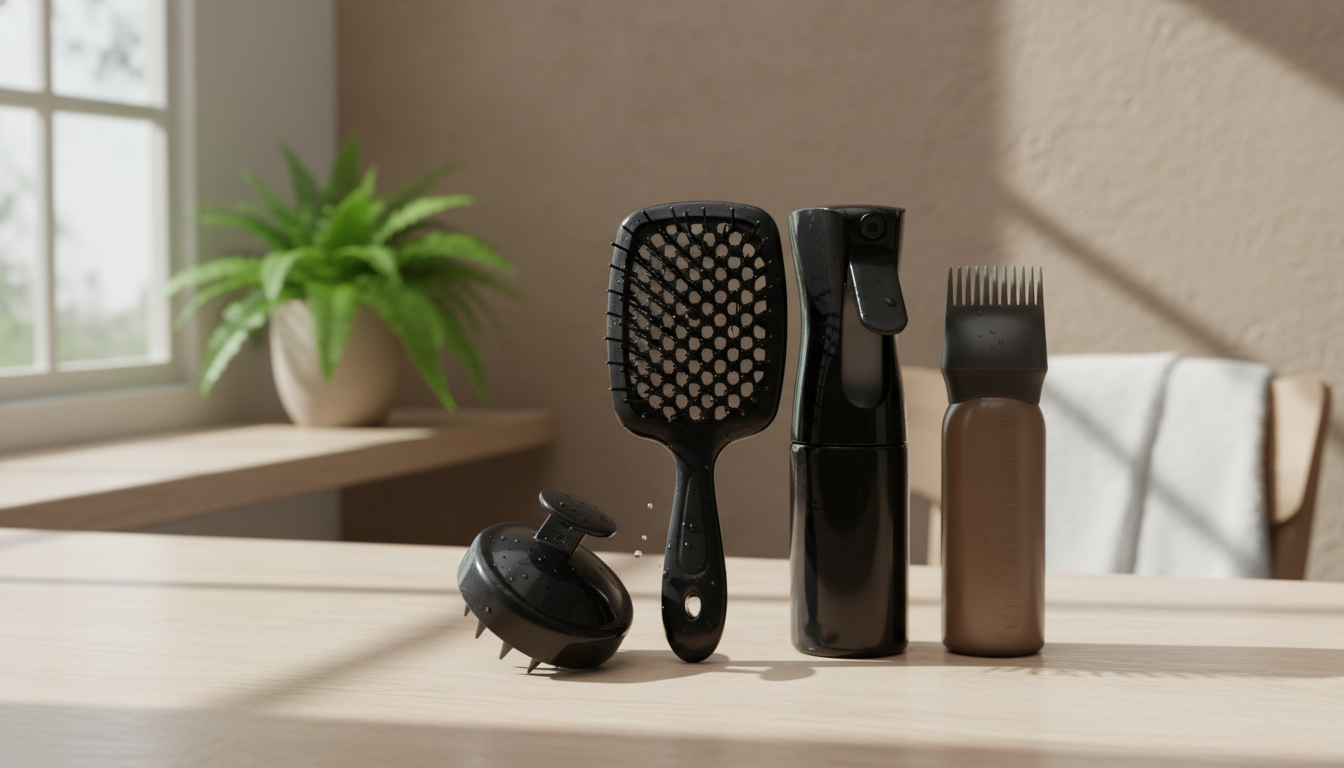
4-Piece Silicone Scalp Massage & Hair Detangling Comb Set for Salon and Home
A simple tool set can make wash day faster, detangling gentler, and scalp care more consistent. This 4-piece silicone scalp massage and detangling comb set is designed for comfortable grip, flexible contact with the scalp, and smoother glide through wet or dry hair—useful for daily maintenance at home and for quick, repeatable results in a salon chair. For more guidance, see INNERNEED Silicone Hair Shampoo Brush Scalp Care Massager….
What makes this set different from a standard comb
Traditional combs and brushes can be effective, but rigid edges and hard teeth may feel harsh—especially on a sensitive scalp or when hair is prone to knotting. A silicone-based set focuses on comfort and control during the two moments that often cause the most frustration: cleansing at the roots and detangling after washing.
- Silicone contact points help reduce harsh tugging compared with rigid, sharp-edged tools.
- Scalp massage support: encourages more even shampoo distribution and a more thorough cleanse around the roots.
- Detangling support: helps separate strands gradually, which can reduce the “snag-and-pull” cycle that leads to breakage.
- Comfort-forward design: flexible material tends to feel softer on sensitive scalps and around the hairline.
For scalp concerns like flaking, irritation, or product buildup, gentler habits matter. The American Academy of Dermatology notes that scalp issues like dandruff benefit from consistent, appropriate care (including proper cleansing and product use) rather than aggressive scratching or harsh friction.
American Academy of Dermatology Association: How to get rid of dandruff
What’s included and how each piece is typically used
This set is meant to be rotated by task so each tool has a clear job in your routine—one for scalp and cleansing, others for smoothing and detangling. That separation can also help keep wash-day steps more hygienic and consistent.
- Use the scalp-massage tool during shampooing to lift product through the roots and loosen buildup around the scalp.
- Use detangling tools after conditioning to separate knots while hair is slippery (often the easiest moment to detangle).
- Rotate tools by task: one for cleansing/scalp care, another dedicated to detangling to keep routines consistent and hygienic.
- Keep one tool in a gym bag or travel kit for quick touch-ups without over-brushing.
Quick guide to common uses for each tool type
| Tool purpose | Best time to use | Ideal hair condition | Pro tip |
|---|---|---|---|
| Scalp massage & cleanser spread | Shampoo step | Wet hair | Use light pressure and small circles; focus on the scalp, not the hair lengths. |
| Conditioner distribution | Conditioning step | Wet hair with conditioner | Start at mid-lengths, then gently work closer to roots if needed. |
| Detangling knots | Post-rinse or after leave-in | Damp hair | Work from ends upward in sections to avoid tightening tangles. |
| Refresh & smooth | Between washes | Dry hair | Use minimal passes; if snagging occurs, switch to sectioning and end-first detangling. |
How to use for a cleaner scalp without irritation
A clean scalp is less about “scrubbing harder” and more about spreading product evenly, massaging lightly, and rinsing thoroughly. If you’ve ever finished a wash only to feel itchy later, leftover residue and overly aggressive friction are common culprits.
- Wet hair thoroughly before applying shampoo; add water first, then product, to improve spread and reduce scrubbing.
- Use gentle circular motions with the silicone scalp massager for 1–2 minutes, keeping pressure light to moderate.
- Avoid aggressive back-and-forth rubbing that can tangle hair at the roots.
- Rinse well; residue left behind can contribute to itchiness and dullness.
For general hair and scalp habits that minimize damage, the AAD’s hair care basics emphasize gentle handling and avoiding practices that increase breakage.
American Academy of Dermatology Association: Hair care basics
Detangling technique that helps reduce breakage
Detangling is where many people unintentionally lose the most hair—especially when knots are tightened by brushing from the top down. A slower, sectioned approach typically preserves more length and reduces snapping.
- Always detangle in sections—especially for long, thick, curly, or coily hair—to prevent re-knotting.
- Start from the ends and move upward in small increments to release knots gradually.
- Use conditioner or a leave-in detangler for slip; dry detangling is more likely to cause snapping for many hair types.
- If a knot resists, pause and add more slip rather than pulling harder.
If breakage is a frequent issue, Cleveland Clinic outlines common causes and prevention strategies that often start with gentler handling and reducing mechanical stress.
Cleveland Clinic: Hair Breakage (Causes and Prevention)
Best matches by hair type and routine
Salon-friendly benefits
Cleaning, drying, and care
Common mistakes to avoid
Product options
- 4Pcs Silicone Scalp Massage & Hair Detangling Comb Set for Salon & Home Use — practical for wash-day scalp care and gentle detangling in one affordable bundle.
More from our store
- Ichi Women’s Grey Cotton Stretch Jeans
- Cozy Cuddly Cowboy Bear Plush Toy – Soft Hugging Companion
- Ready for Winter Ready for Anything – Winter Sport Gear Basics eBook, Complete Cold Weather Gear Guide, Layering & Equipment Checklist for Winter Sports
FAQ
Can a scalp massager be used every day?
Generally yes if you use light pressure and keep the tool clean. If your scalp becomes sore, irritated, or flaky, reduce frequency and avoid using it on broken skin.
Is it better to detangle hair wet or dry?
Many people see less breakage when detangling on damp hair with conditioner or a leave-in detangler for slip. Some curl patterns also prefer damp detangling to help maintain shape and definition.
How should silicone scalp tools be cleaned between uses?
Rinse immediately after use, then wash with mild soap and warm water, clearing any residue from grooves. Air-dry completely before storing to keep the tools fresh.
Recommended for you

Workout Motivation Checklist: Start in 2 Minutes
May 18, 2026
Gentle Parenting Routine for Calm School Mornings
May 18, 2026











Leave a comment