-
Shop
- Advanced Technologies
- AI Career Advantage Collection
- AI Skills Mastery 2026 Collection
- Arts, Crafts & Hobbies
- Bathroom
- Best-Sellers
- Car Accessories
- Dating & Social Skills
- Denim
- 7FOR
- AGOLDE
- Antony Morato
- Armani Exchange
- Boss
- Brunello Cucinelli
- Calvin Klein Jeans
- Costume National
- Desigual
- Diesel
- Dolce & Gabbana
- Dsquared²
- Ermanno Scervino
- Fendi
- Gianni Lupo
- Guess Jeans
- Ichi
- Just Cavalli
- Lee
- Levi's
- Liu Jo
- Morgan De Toi
- Mother Denim
- Only
- Pepe Jeans
- Pinko
- Replay
- Valentino
- Vero Moda
- Digital Resources
- Education & Learning
- Family & Parenting
- Fashion
- Furniture
- Gadgets
- Health & Beauty
- Health & Wellness
- Home & Garden
- Kids & Babies
- Kitchen
- Lighting
- Patio, Lawn & Garden
- Personal Growth
- Pet Care
- Pet Supplies
- Pets
- Sport & Outdoors
- TikTok Growth & Monetization Mastery
- Travel
- Wealth
- Popular
- Best deals
Best A4 Sketchbook for Watercolor, Gouache & Pencil
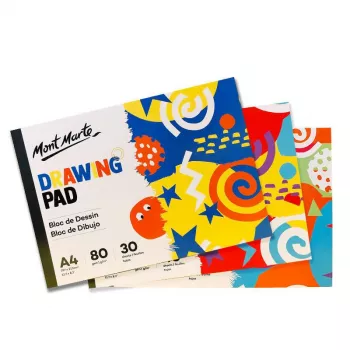
A4 Sketchbook for Watercolor, Gouache, and Pencil Drawing
An A4 sketchbook hits a sweet spot for mixed-media work: it’s roomy enough for smooth washes, layered value studies, and full-page compositions, yet still easy to stack on a shelf or slide into a bag. When the paper surface and binding are matched to watercolor, gouache, and pencil, everyday practice feels simpler—less warping, fewer smudges, and cleaner edges—so sketches stay readable and color stays fresh even after multiple passes.
What Makes a Sketchbook Work for Watercolor, Gouache, and Pencil
Mixed media asks a lot from paper. The best results usually come from choosing a sketchbook designed to handle both wet and dry techniques without fighting you.
- Paper thickness matters: heavier sheets handle wetter techniques with less buckling; lighter sheets are better for dry sketching and quick studies.
- Surface texture affects results: smoother paper favors graphite control and crisp gouache edges; more texture helps watercolor granulation and dry-brush effects.
- Sizing and absorbency: paper made for wet media is usually sized to keep pigments closer to the surface instead of soaking in immediately.
- Binding and page behavior: strong binding helps pages lie flatter, making it easier to paint across a spread or tape edges cleanly.
- Back-and-forth compatibility: pencil underdrawings should erase without tearing fibers; gouache layers should sit evenly without pilling.
If a page pills when you lift paint or re-wet gouache, it’s often a sign the surface sizing is too delicate for your method. A quick test page can save an entire sketchbook from disappointment.
Why A4 Is a Versatile Size for Studio and Travel
A4 is popular for a reason: it supports serious study without demanding a full studio setup.
- Comfortable working area: enough room for gradients, sky washes, and larger value studies without feeling cramped.
- Easy to store and scan: fits common folders, sleeves, and portfolios, and scans cleanly on many home/office scanners.
- Composition practice: space for several thumbnails on one page or a single finished piece without immediately turning the page.
- Field-friendly: bigger than pocket formats but still manageable in a backpack or tote.
- Border-friendly: pairs well with standard masking tape widths for quick clean edges and easy mounting.
Paper Choices by Medium (and What to Expect on the Page)
Watercolor, gouache, and pencil each “read” the paper differently. Knowing what the sheet will do under water and pressure helps you pick a sketchbook that matches your style.
- Watercolor: look for paper that tolerates multiple wet layers, lifting, and glazing; buckling is the main issue on thin sheets.
- Gouache: performs best when the surface stays stable under re-wetting; overly absorbent paper can make colors look dull and chalky.
- Pencil: smooth-to-medium texture helps with controlled lines and shading; heavy texture can break up fine detail.
- Mixed media approach: a middle-ground sheet can handle light washes plus drawing, but very wet techniques may require additional stretching or taping.
- Testing routine: try a small swatch—one flat wash, one scrub/lift, one gouache layer, and a graphite gradient—to see how the paper responds.
Quick Guide to Picking Paper Characteristics for Different Techniques
| Technique | Paper surface | Sheet thickness | Common issue to watch for | Helpful tip |
|---|---|---|---|---|
| Light watercolor washes | Medium texture | Medium to heavy | Mild buckling | Tape the page edges to a board for flatter drying |
| Wet-on-wet watercolor | Medium texture | Heavy | Backruns/warping | Work at a slight angle and control water load |
| Opaque gouache layers | Smooth to medium | Medium to heavy | Reactivation/pilling | Let layers dry fully before repainting |
| Graphite drawing | Smooth to light texture | Any (prefer medium) | Smudging | Use a scrap sheet under the hand and consider a fixative if needed |
| Ink + wash | Smooth to medium | Medium to heavy | Feathering | Test waterproof ink and drying time before washing |
Features That Improve Everyday Use
Beyond paper, a few build choices make a sketchbook feel more reliable day after day.
- Page count and portability: thicker books can be heavier; thinner books are easier for daily carry and shorter projects.
- Perforated vs non-perforated pages: perforation helps remove finished work cleanly; non-perforated pages feel more archival and durable.
- Hardcover vs softcover: hard covers provide a built-in drawing surface; soft covers can be lighter and more flexible in tight bags.
- Paper color: bright white boosts contrast for gouache and scanning; natural/cream paper can soften pencil studies.
- Drying and protection: a simple interleaving sheet can prevent transfer between gouache pages and reduce graphite smears.
Simple Workflow for Clean Results (Watercolor to Gouache to Pencil)
For deeper technique refreshers, the Tate overview of watercolour techniques and the Royal Watercolour Society’s notes about watercolour are helpful references for wash control and layering habits.
A4 Sketchbook Options to Consider
- A4 Sketchbook for Watercolor, Gouache, and Pencil Drawing ($14.51): designed around an A4 format suited for studies, practice pieces, and finished sketches that benefit from extra space.
- Body Confidence Blueprint | Ebook Guide on How to Build Body Confidence, Self-Image & Everyday Confidence ($13.99): a supportive option for building steady confidence routines that can pair well with a daily art habit.
FAQ
Can watercolor and gouache be used on the same page?
Yes. Watercolor works well as an underlayer, and gouache can sit on top once the page is fully dry; keep water under control and test a small area first to check for reactivation or pilling.
How can page buckling be reduced when using washes?
Tape the page edges to a firm board, use less water in thinner layers, and dry the sketchbook flat. Heavier paper buckles less, and fully dry pages can be pressed under weight to flatten further.
What paper surface is best for pencil details if paint is also used?
A smooth-to-medium texture usually gives the best graphite control while still accepting light washes. A quick swatch test helps confirm clean erasing, minimal feathering, and a surface that won’t get rough after re-wetting.









Leave a comment