-
Shop
- Advanced Technologies
- AI Career Advantage Collection
- AI Skills Mastery 2026 Collection
- Arts, Crafts & Hobbies
- Bathroom
- Best-Sellers
- Car Accessories
- Dating & Social Skills
- Denim
- 7FOR
- AGOLDE
- Antony Morato
- Armani Exchange
- Boss
- Brunello Cucinelli
- Calvin Klein Jeans
- Costume National
- Desigual
- Diesel
- Dolce & Gabbana
- Dsquared²
- Ermanno Scervino
- Fendi
- Gianni Lupo
- Guess Jeans
- Ichi
- Just Cavalli
- Lee
- Levi's
- Liu Jo
- Morgan De Toi
- Mother Denim
- Only
- Pepe Jeans
- Pinko
- Replay
- Valentino
- Vero Moda
- Digital Resources
- Education & Learning
- Family & Parenting
- Fashion
- Furniture
- Gadgets
- Health & Beauty
- Health & Wellness
- Home & Garden
- Kids & Babies
- Kitchen
- Lighting
- Patio, Lawn & Garden
- Personal Growth
- Pet Care
- Pet Supplies
- Pets
- Sport & Outdoors
- TikTok Growth & Monetization Mastery
- Travel
- Wealth
- Popular
- Best deals
Mindful Solo Travel Guide: Plan Calm, Flexible Trips
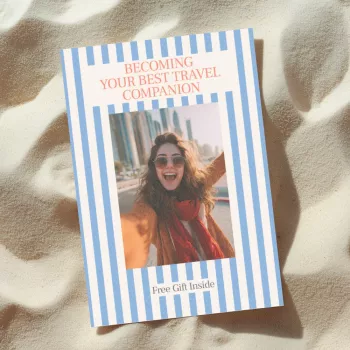
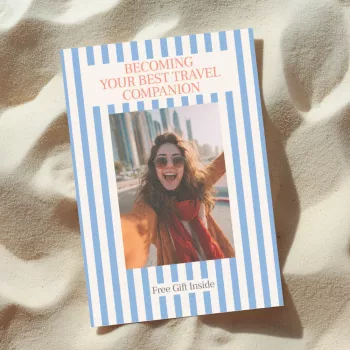
Becoming Your Best Travel Companion: A Solo Travel Guide for Mindful, Independent Adventures (Digital Download)
Solo travel gets easier when planning, self-trust, and practical tools work together. This digital guide is designed for independent travelers who want mindful adventures, clearer decision-making on the road, and a simple way to use AI tools for safer, smoother trips—without losing spontaneity. Instead of chasing the “perfect” itinerary, you’ll build a calm, flexible travel system you can rely on anywhere.
Who This Guide Is For
This download is built for travelers who want independence without feeling like they’re carrying the entire trip on their shoulders.
- First-time solo travelers who want structure without rigid itineraries
- Experienced independent travelers looking to travel with more intention and less stress
- Travelers who want a simple framework for safety planning, boundaries, and self-check-ins
- People who want to use AI tools for logistics, language support, and decision-making while staying grounded
What You’ll Get in the Digital Download
The guide combines practical planning with mindful routines so you can move through unfamiliar places with more confidence—especially on the days when things don’t go as expected.
- A step-by-step approach to planning that supports confidence and flexibility
- Mindful practices to help manage anxiety, loneliness, and decision fatigue while traveling
- Practical prompts and checklists for packing, arrival days, and daily rhythm on the road
- Guidance for using AI tools to brainstorm itineraries, compare options, and create quick action plans when things change
What the guide helps with (and how it shows up on the trip)
| Travel moment | Common challenge | What to do | How AI tools can support |
|---|---|---|---|
| Pre-trip planning | Overwhelm from too many options | Set 3 priorities, choose a simple route, leave buffer days | Generate 2–3 itinerary variants and compare tradeoffs |
| Arrival day | Stress navigating a new place | Use a short arrival checklist and one “anchor” activity | Create a step-by-step arrival plan (SIM, transit, check-in, food) |
| Daily decisions | Decision fatigue | Pick a theme for the day and limit choices | Suggest 3 options that match the day’s theme and budget |
| Social & solitude balance | Feeling isolated or overbooked | Plan one social touchpoint and one solo reset block | Draft a low-pressure message to meetups or hosts |
| Unexpected changes | Delays, closures, safety concerns | Pause, assess, choose the next best safe option | Create a contingency plan from current constraints |
A Mindful Framework for Independent Travel
Mindful travel isn’t about turning your trip into a self-improvement project. It’s about staying present enough to notice what you need—before fatigue, anxiety, or people-pleasing steers the day.
- Set intentions that are specific enough to guide choices but broad enough to keep travel joyful
- Use short check-ins (morning and evening) to notice stress, energy, and needs before problems escalate
- Build “buffers” into time, money, and energy so small disruptions don’t derail the whole trip
- Practice compassionate self-talk and boundaries to reduce people-pleasing and risky situations
For example, a buffer can be as simple as keeping your first night low-stakes: early dinner, one neighborhood walk, and a clear “done for the day” time. That one choice often prevents spiraling into late-night navigation stress or unsafe transit decisions.
Using AI Tools Without Losing the Magic
AI tools can help with travel logistics and language support, but the goal is to feel more grounded—not more optimized. Use them like a co-pilot for organization, while you stay in charge of judgment and values.
- Use AI for support tasks: drafting plans, summarizing options, translating phrases, and organizing checklists
- Keep human judgment in charge: verify safety-critical details and use official sources for rules and alerts
- Create a simple routine: context (dates, budget, preferences), constraints (accessibility, safety), and output format (bullet itinerary, checklist, comparison table)
- Use AI to reduce stress in the moment: ask for calm step-by-step actions when plans change
When it comes to official updates, rely on authoritative sources for confirmations—like the U.S. Department of State Travel Advisories, the World Health Organization travel and health guidance, and the IATA Travel Centre for airline and entry-related references.
Safety, Boundaries, and Confidence on the Road
If you’re traveling with a bike or planning day trips where gear security matters, adding a reliable lock can reduce stress. The Heavy-Duty 4-Digit Chain Lock for Bikes, E-Bikes & Motorcycles can be a practical add-on for independent travelers who want one less thing to worry about.
Building a Personal Travel Rhythm
When confidence wobbles—especially in new environments—having a simple inner toolkit can help you show up with steadier boundaries. If you want extra support beyond travel logistics, Body Confidence Blueprint (Ebook) pairs well as a self-trust companion for everyday confidence on the road.
How to Use the Download Before, During, and After Your Trip
Before
During
After
Get the Guide
If you want a practical plan that still leaves room for surprise, Becoming Your Best Travel Companion (digital download) is designed to help you travel solo with more calm, clarity, and confidence. It works for weekend getaways, longer multi-city trips, and work-travel add-on adventures—especially when paired with a notes app and one organized place to store emergency info, reservations, and key phrases.
FAQ
Is this guide helpful for first-time solo travelers?
Yes. It focuses on simple planning, arrival-day structure, safety basics, and confidence-building routines—so you feel supported without overcomplicating your trip.
Do AI tools replace travel research and safety checks?
No. AI can organize options and draft plans, but important details should be verified through official sources and trusted local guidance, especially for safety, health, and entry requirements.
What do you need to use the digital download while traveling?
A phone, tablet, or laptop is enough. Saving key pages offline and keeping emergency contacts and essential information easy to access is strongly recommended.














Leave a comment