-
Shop
- Advanced Technologies
- AI Career Advantage Collection
- AI Skills Mastery 2026 Collection
- Arts, Crafts & Hobbies
- Bathroom
- Best-Sellers
- Car Accessories
- Dating & Social Skills
- Denim
- 7FOR
- AGOLDE
- Antony Morato
- Armani Exchange
- Boss
- Brunello Cucinelli
- Calvin Klein Jeans
- Costume National
- Desigual
- Diesel
- Dolce & Gabbana
- Dsquared²
- Ermanno Scervino
- Fendi
- Gianni Lupo
- Guess Jeans
- Ichi
- Just Cavalli
- Lee
- Levi's
- Liu Jo
- Morgan De Toi
- Mother Denim
- Only
- Pepe Jeans
- Pinko
- Replay
- Valentino
- Vero Moda
- Digital Resources
- Education & Learning
- Family & Parenting
- Fashion
- Furniture
- Gadgets
- Health & Beauty
- Health & Wellness
- Home & Garden
- Kids & Babies
- Kitchen
- Lighting
- Patio, Lawn & Garden
- Personal Growth
- Pet Care
- Pet Supplies
- Pets
- Sport & Outdoors
- TikTok Growth & Monetization Mastery
- Travel
- Wealth
- Popular
- Best deals
Tankless Water Heater GPM: Right Flow for Your Home
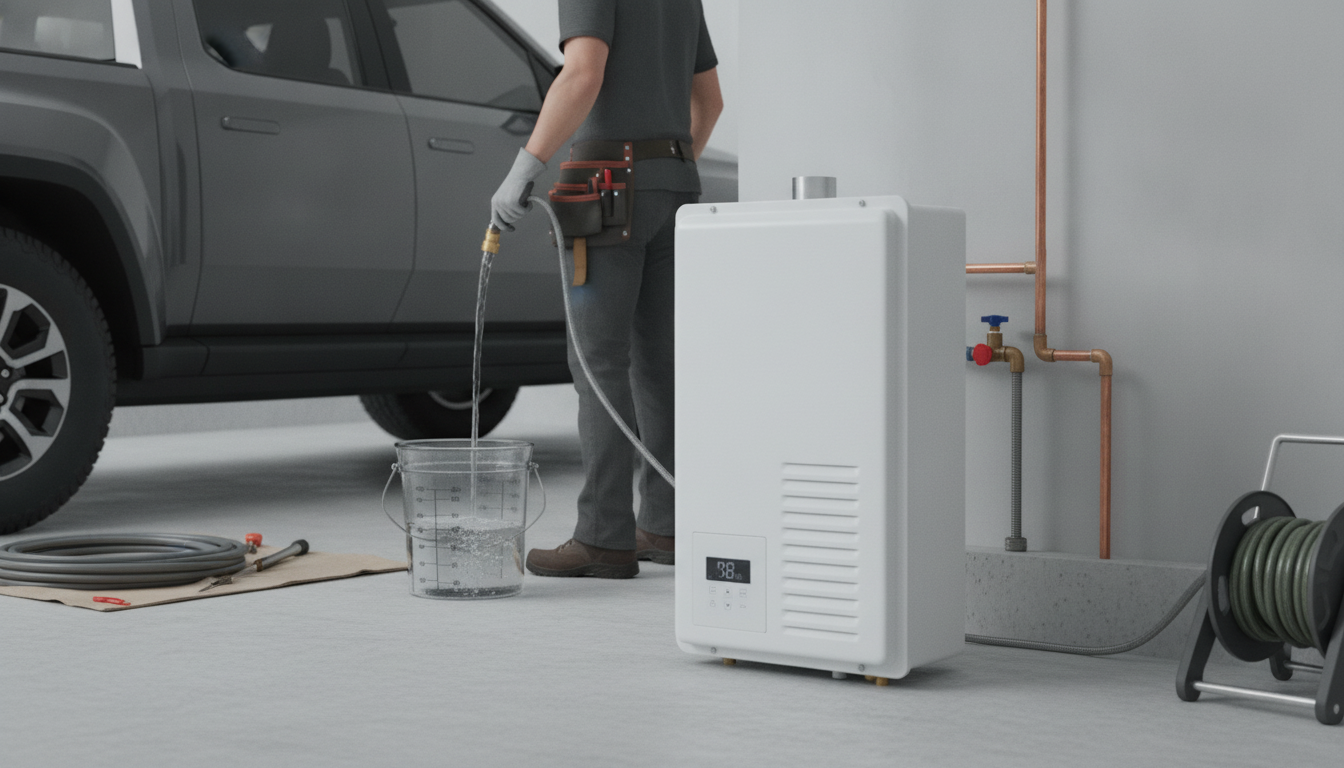
What is the GPM of a tankless water heater for a household?
For most households, a tankless water heater typically needs to deliver about 3 to 7 gallons per minute (GPM) of hot water, depending on how many fixtures you want to run at the same time and how cold your incoming water is. The “right” GPM isn’t a single number—it’s the amount of hot water you can produce at a specific temperature rise (the difference between incoming cold water and your target hot-water temperature).
Why the same heater can have different “real” GPM in different homes
Tankless heaters are often advertised with a maximum GPM, but that number is usually measured under a modest temperature rise. If your incoming water is colder (common in northern states or winter months), the heater must work harder to raise the temperature, and the usable GPM drops. For example, a unit might deliver its best GPM at a 35°F rise, but significantly less at a 70°F rise.
How much GPM does a household actually use?
A quick way to estimate demand is to add up the hot-water flow rates of fixtures you may use simultaneously:
Typical flow rates: a shower is often 1.8–2.5 GPM, a bathroom faucet around 0.5–1.5 GPM, a dishwasher roughly 1–2 GPM (varies by model), and a clothes washer commonly 2–3 GPM during fill cycles. Two showers at once can easily require 4–5 GPM of hot water before you even factor in a sink or appliance.
Practical GPM targets by household size
As a rule of thumb, 1–2 people may be comfortable with around 3–5 GPM (depending on climate and usage), while 3–4 people often benefit from 5–7+ GPM for consistent hot water during back-to-back showers or overlapping use. If you want to run multiple showers at once, aim higher or consider staging usage.
Choosing a model that matches your needs
Always compare GPM at the temperature rise that matches your region and target output temperature (often around 120°F). For a deeper look at a high-output indoor propane option and how its specs translate to real household use, see this guide: 7.4 GPM indoor propane tankless water heater guide.
FAQ
What temperature rise should I use when comparing tankless water heater GPM ratings?
Use the rise from your local incoming cold-water temperature to your target hot-water setting (commonly 120°F). Colder incoming water means a larger rise and a lower usable GPM from the same heater.
Recommended for you
AI Family Budgeting: A 30-Min Plan + Weekly Routine
Jul 18, 2026












Leave a comment