-
Shop
- Advanced Technologies
- AI Career Advantage Collection
- AI Skills Mastery 2026 Collection
- Arts, Crafts & Hobbies
- Bathroom
- Best-Sellers
- Car Accessories
- Dating & Social Skills
- Denim
- 7FOR
- AGOLDE
- Antony Morato
- Armani Exchange
- Boss
- Brunello Cucinelli
- Calvin Klein Jeans
- Costume National
- Desigual
- Diesel
- Dolce & Gabbana
- Dsquared²
- Ermanno Scervino
- Fendi
- Gianni Lupo
- Guess Jeans
- Ichi
- Just Cavalli
- Lee
- Levi's
- Liu Jo
- Morgan De Toi
- Mother Denim
- Only
- Pepe Jeans
- Pinko
- Replay
- Valentino
- Vero Moda
- Digital Resources
- Education & Learning
- Family & Parenting
- Fashion
- Furniture
- Gadgets
- Health & Beauty
- Health & Wellness
- Home & Garden
- Kids & Babies
- Kitchen
- Lighting
- Patio, Lawn & Garden
- Personal Growth
- Pet Care
- Pet Supplies
- Pets
- Sport & Outdoors
- TikTok Growth & Monetization Mastery
- Travel
- Wealth
- Popular
- Best deals
7.4 GPM Indoor Propane Tankless Heater: Instant Hot Water
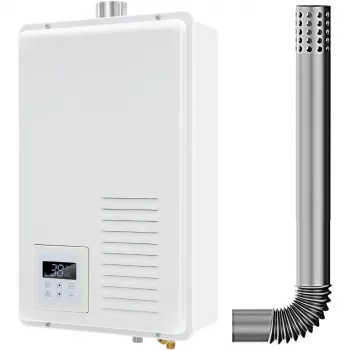
Propane Tankless Water Heater (7.4 GPM) for Indoor Instant Hot Water
A 7.4 GPM indoor propane tankless water heater can deliver continuous hot water on demand, but real-world performance depends on incoming water temperature, venting, gas supply, and how many fixtures run at once. This guide breaks down what 7.4 GPM means in a home, what to prepare for installation, and how to keep performance steady year-round.
What 7.4 GPM Means in Everyday Use
The “7.4 GPM” label is a flow rating measured at a specific temperature rise (the amount the heater can raise the incoming water temperature). When incoming water is colder, the heater must work harder to reach a comfortable outlet temperature, and the usable GPM effectively drops. That’s why the same unit may feel “strong” in summer but more limited in winter.
For many apartments and small-to-midsize homes, 7.4 GPM is a practical sweet spot: enough for one major hot-water use (like a shower) plus one or two smaller draws, without the standby losses of a storage tank. When people run out of hot water with tankless, it’s usually not a faulty heater—it’s simultaneous demand exceeding the unit’s heating capacity or a temperature-rise mismatch for the season.
Typical Fixture Flow and What a 7.4 GPM Heater Can Cover
| Fixture / Use | Typical flow (GPM) | Notes for simultaneous use |
|---|---|---|
| Low-flow shower | 1.5–2.0 | Two showers may be possible depending on incoming water temperature |
| Standard shower | 2.0–2.5 | One shower + a sink is usually comfortable |
| Bathroom faucet | 0.5–1.0 | Minimal impact unless multiple faucets run |
| Kitchen faucet | 1.0–2.2 | Hot-only use can compete with a shower |
| Dishwasher (fill cycles) | 1.0–2.0 | Often intermittent; may be fine alongside light use |
| Clothes washer (hot fill) | 1.5–3.0 | Can reduce shower temperature if both run together |
Indoor Setup Essentials: Venting, Air, and Clearances
Indoor propane tankless installation isn’t just “hang it and hook it up.” Because combustion happens inside the unit, proper venting is mandatory to move exhaust gases outdoors safely. Vent type, materials, and sizing need to match the manufacturer’s manual, and the route must follow local code.
Combustion air is equally important. Some setups use direct-vent configurations that bring air from outside, which can improve safety and consistency—especially in tight homes. Plan for required clearances from combustibles and adequate service access so tasks like descaling and inspection don’t become a demolition project later.
Since any fuel-burning appliance can pose a carbon monoxide risk if installed or maintained incorrectly, use carbon monoxide alarms per local requirements and place them appropriately. For general safety guidance, NFPA’s carbon monoxide resources are a good reference: NFPA — Carbon Monoxide Safety.
Propane Supply and Gas Line Considerations
Tankless water heaters often have high peak BTU demand even though they may run fewer hours overall. A common cause of ignition problems, error codes, or temperature swings is undersized gas piping or an inadequate regulator that can’t maintain pressure when the unit ramps up.
Before installing, confirm:
- Propane tank capacity and whether the tank can support your household’s peak draw.
- Regulator sizing and the required inlet pressure range for the heater.
- Gas line diameter and total length (including elbows and fittings), based on the unit’s spec sheet and total household gas load.
Use approved materials and fittings for propane, and complete pressure testing and leak checks after any gas work. In cold climates, propane vaporization can be limited with small tanks; if the tank can’t vaporize enough fuel during peak demand, hot water performance can suffer even if the heater itself is sized correctly.
How Temperature Rise Affects “Instant” Hot Water
Tankless means the heater produces hot water on demand, not that hot water appears instantly at the faucet. There’s still a short delay while hot water travels through the plumbing. In homes with long pipe runs, compatible recirculation options can cut that wait time and reduce water waste.
Installation Checklist and Safety Notes
Professional installation is strongly recommended for indoor propane units due to the overlap of gas work, venting, and combustion safety. For a high-level overview of how demand-type water heaters operate and what affects efficiency, see: U.S. Department of Energy — Tankless or Demand-Type Water Heaters. For broader water heater guidance and efficiency context, ENERGY STAR is also a helpful reference: ENERGY STAR — Water Heaters.
Product Spotlight: 7.4 GPM Indoor Propane Tankless Water Heater
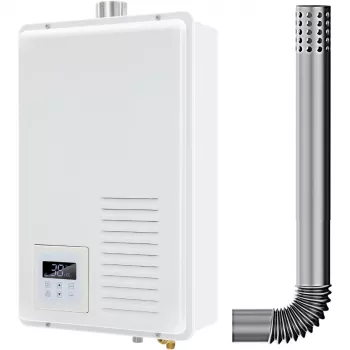
- Propane Tankless Water Heater, 7.4 GPM, Indoor Use, Instant Hot Water — designed for indoor on-demand hot water delivery with a listed 7.4 GPM flow rating.
Maintenance for Stable Performance
For cleanup during routine service—wiping fittings, drying around isolation valves, or keeping the area tidy—having a simple shop towel on hand helps: Soft Striped Coral Fleece Face Towel.
FAQ
Can a 7.4 GPM propane tankless heater run two showers at the same time?
Sometimes. It depends on shower flow rates and the temperature rise needed; low-flow showerheads and warmer incoming water make two showers more realistic, while colder conditions may limit you to one shower plus small draws.
Why does the hot water get cooler when another faucet turns on?
The heater has a maximum heating capacity, so when total flow increases it may lower outlet temperature to keep up. Undersized gas supply, clogged inlet filters, or scale buildup can intensify the temperature drop.
Does “instant hot water” mean there is no waiting at the tap?
No. It means the unit heats on demand rather than storing hot water, but you’ll still wait briefly for hot water to travel through the pipes. A compatible recirculation setup can reduce that delay.













Leave a comment