-
Shop
- Advanced Technologies
- AI Career Advantage Collection
- AI Skills Mastery 2026 Collection
- Arts, Crafts & Hobbies
- Bathroom
- Best-Sellers
- Car Accessories
- Dating & Social Skills
- Denim
- 7FOR
- AGOLDE
- Antony Morato
- Armani Exchange
- Boss
- Brunello Cucinelli
- Calvin Klein Jeans
- Costume National
- Desigual
- Diesel
- Dolce & Gabbana
- Dsquared²
- Ermanno Scervino
- Fendi
- Gianni Lupo
- Guess Jeans
- Ichi
- Just Cavalli
- Lee
- Levi's
- Liu Jo
- Morgan De Toi
- Mother Denim
- Only
- Pepe Jeans
- Pinko
- Replay
- Valentino
- Vero Moda
- Digital Resources
- Education & Learning
- Family & Parenting
- Fashion
- Furniture
- Gadgets
- Health & Beauty
- Health & Wellness
- Home & Garden
- Kids & Babies
- Kitchen
- Lighting
- Patio, Lawn & Garden
- Personal Growth
- Pet Care
- Pet Supplies
- Pets
- Sport & Outdoors
- TikTok Growth & Monetization Mastery
- Travel
- Wealth
- Popular
- Best deals
100-Hour ANC Over-Ear Headphones: Daily Use Guide
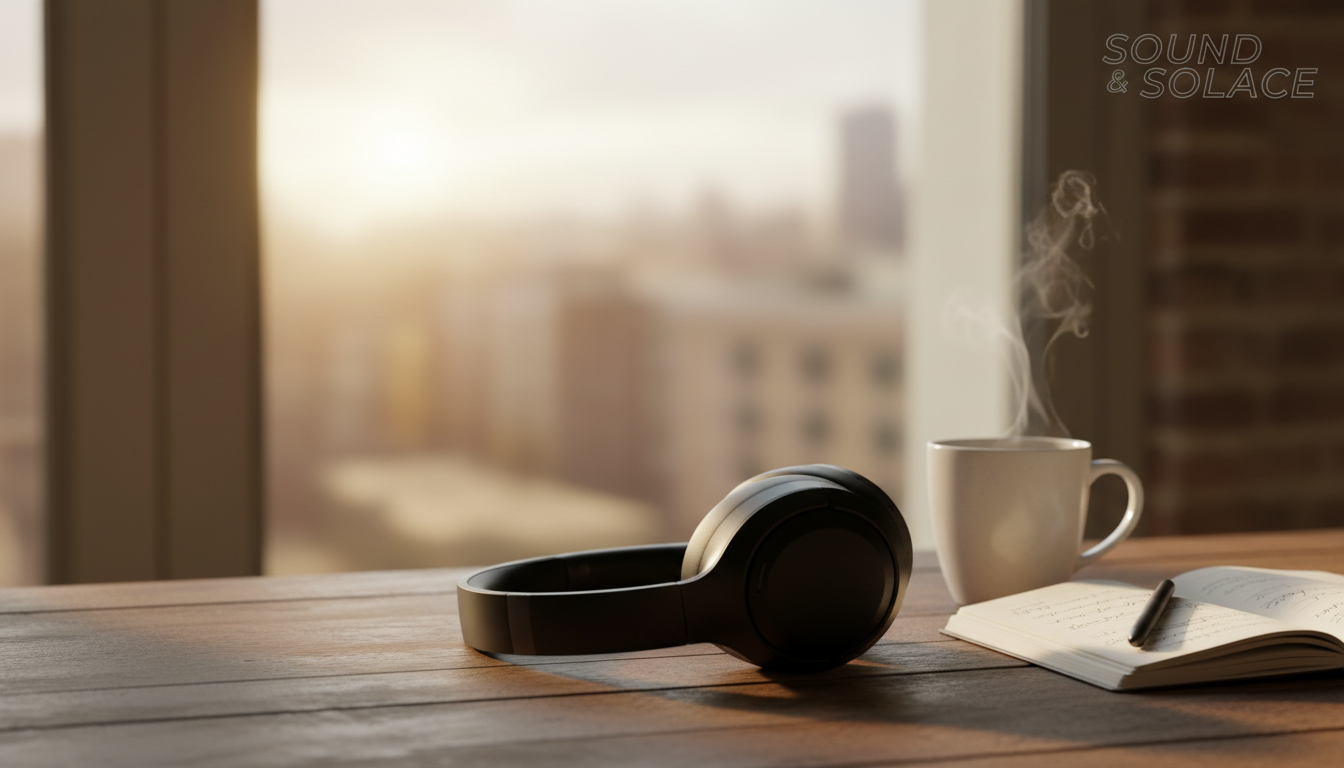
Wireless Over-Ear Headphones with ANC, ENC & 100-Hour Playtime: What to Expect Day to Day
A pair of over-ear headphones that can handle long days needs more than volume: it should reduce distractions, keep calls clear, stay comfortable for hours, and avoid constant recharging. This guide explains what Wireless Over-Ear Headphones with ANC, ENC & 100-Hour Playtime are designed to do, how the core features translate into everyday use, and what to double-check before buying. For more guidance, see 1More Dual Driver ANC Pro Wireless Earbuds Review.
What These Headphones Are Built For
Modern wireless over-ear headphones are often used as an all-in-one tool for commuting, remote work, study, and downtime. The combination of active noise canceling and long runtime is especially helpful when listening sessions stretch beyond a single afternoon. For further reading, see Best Earbud & In-Ear Headphones.
- Long sessions: extended playtime supports multi-day use between charges for commuting, remote work, or study.
- Focused listening: active noise canceling helps reduce steady background sounds like engine hum or HVAC noise.
- Clearer conversations: ENC targets environmental noise around the microphone to improve voice pickup during calls.
- Over-ear fit: earcups that surround the ear can improve comfort and passive isolation compared with on-ear designs.
ANC vs. ENC: What Each One Does
ANC and ENC sound similar, but they solve different problems. One is for what you hear; the other is for what the other person hears when you speak.
- ANC (Active Noise Canceling): designed for the listener; uses microphones and signal processing to reduce consistent external noise.
- ENC (Environmental Noise Cancellation): designed for the caller; aims to reduce background noise captured by the headset mic so speech remains more intelligible.
- Real-world impact: ANC helps concentration during travel or in shared spaces, while ENC helps meetings and phone calls sound less “busy.”
ANC and ENC at a glance
| Feature | Primary benefit | Best for | Typical limitation |
|---|---|---|---|
| ANC | Quieter background for the listener | Planes, trains, open offices, cafes | Less effective on sudden, sharp sounds and voices close by |
| ENC | Cleaner microphone signal for the person on the other end | Calls in windy streets, busy rooms, commutes | Can’t remove all noise; microphone placement and fit still matter |
100-Hour Playtime: How to Think About Battery Life
“Up to 100 hours” is a headline number, but it’s still a practical advantage even when real life trims it down. The main payoff is fewer charging interruptions, which matters most on travel weeks and long work stretches.
- Use-case planning: long battery life reduces charging frequency for travel, long workweeks, or gaming sessions.
- Expect variation: volume level, use of ANC, and connection quality can change real-world runtime.
- Charging habits: shorter top-ups during breaks can keep the headphones ready without full drain cycles.
If long runtime is a top priority, treat ANC as a tool you turn on when it helps most (commutes, coffee shops, flights), rather than leaving it on automatically at home in a quiet room.
Comfort and Fit for All-Day Wear
Comfort is what determines whether headphones become a daily staple or end up sitting in a drawer. Over-ear models can be particularly forgiving, but small fit details make a big difference after a few hours.
- Earcup seal: a consistent seal improves both bass response and noise reduction performance.
- Clamping force: too tight can cause fatigue; too loose can reduce isolation and stability.
- Heat management: over-ear designs can run warm; look for breathable padding and take short breaks during long sessions.
- Glasses-friendly fit: softer cushions and moderate clamp can reduce pressure points around frames.
A helpful quick check: after putting the headphones on, gently move the headband up and down a notch or two and see whether the earcups still seal evenly. A stable seal usually improves both ANC performance and sound consistency.
Sound and Listening Modes That Matter Most
Sound quality isn’t just about bass and treble; it’s also about how reliably the headphones perform across environments—quiet rooms, crowded commutes, and switching between music and calls.
For a deeper explanation of how active noise canceling works, see Bose’s overview of noise-cancelling fundamentals.
Using Them for Calls: Practical Setup Tips
For long workdays, it also helps to keep listening volume at a reasonable level. The World Health Organization’s safe listening guidance offers useful benchmarks for protecting hearing over time.
Quick Specs Snapshot
Price and Value Considerations
Product Options Available Now
- Wireless Over-Ear Headphones with ANC, ENC & 100-Hour Playtime ($53.97): a long-runtime option designed to reduce distractions and improve call clarity, with an over-ear fit for extended wear.
- Body Confidence Blueprint | Ebook Guide on How to Build Body Confidence, Self-Image & Everyday Confidence ($13.99): a practical add-on for travelers and remote workers building healthier daily routines beyond screen time.
FAQ
Does active noise canceling block voices?
ANC works best on steady, low-frequency sounds like engine hum or air conditioning. Voices may be reduced, especially with a good earcup seal, but they typically won’t disappear completely—particularly if someone is speaking close by.
Will the battery last 100 hours with ANC on?
Battery life usually drops when ANC is enabled, when listening at higher volumes, or when the wireless connection is working harder (like in crowded signal areas). Treat “up to 100 hours” as a best-case scenario and expect shorter runtime with constant ANC use.
What does ENC change on phone and video calls?
ENC focuses on reducing background noise picked up by the microphone so your voice is easier to understand on the other end. It can make calls sound less cluttered in places like busy rooms, commutes, or windy sidewalks, though it can’t remove every sound.
Recommended for you
Two-Room Tent with Center Hall for Family Camping
Jul 22, 2026
Electric Fireplace Assembly Cost: DIY vs Pro Pricing
Jul 23, 2026












Leave a comment