-
Shop
- Advanced Technologies
- AI Career Advantage Collection
- AI Skills Mastery 2026 Collection
- Arts, Crafts & Hobbies
- Bathroom
- Best-Sellers
- Car Accessories
- Dating & Social Skills
- Denim
- 7FOR
- AGOLDE
- Antony Morato
- Armani Exchange
- Boss
- Brunello Cucinelli
- Calvin Klein Jeans
- Costume National
- Desigual
- Diesel
- Dolce & Gabbana
- Dsquared²
- Ermanno Scervino
- Fendi
- Gianni Lupo
- Guess Jeans
- Ichi
- Just Cavalli
- Lee
- Levi's
- Liu Jo
- Morgan De Toi
- Mother Denim
- Only
- Pepe Jeans
- Pinko
- Replay
- Valentino
- Vero Moda
- Digital Resources
- Education & Learning
- Family & Parenting
- Fashion
- Furniture
- Gadgets
- Health & Beauty
- Health & Wellness
- Home & Garden
- Kids & Babies
- Kitchen
- Lighting
- Patio, Lawn & Garden
- Personal Growth
- Pet Care
- Pet Supplies
- Pets
- Sport & Outdoors
- TikTok Growth & Monetization Mastery
- Travel
- Wealth
- Popular
- Best deals
Two-Room Tent with Center Hall for Family Camping
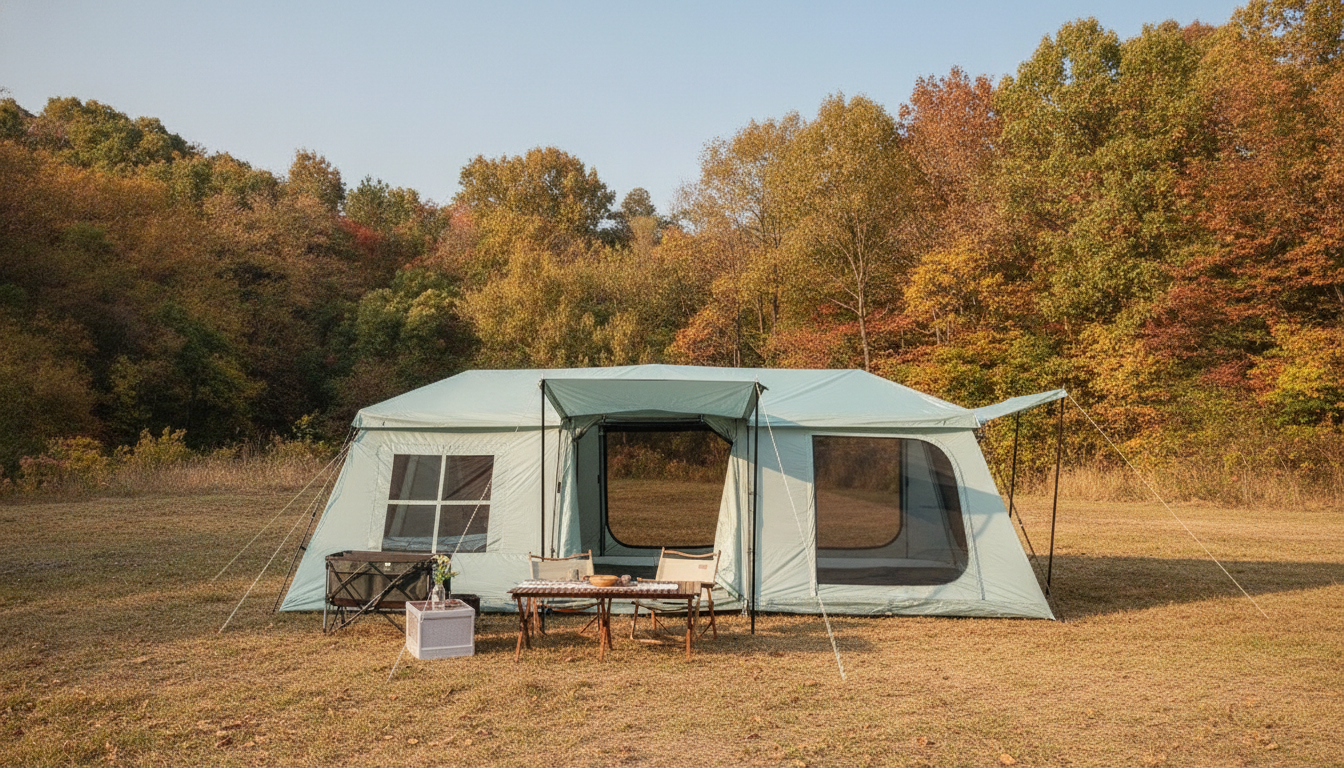
Two-Room and One-Hall Outdoor Tent: Space, Privacy, and Comfort for Group Camping
A two-room layout with a central hall makes it easier to camp as a family or small group without giving up privacy. With dedicated sleeping zones on both sides and a shared middle area for daily living, this design helps keep nights quieter, mornings more organized, and gear from taking over everyone’s bedding space.
Why a two-room tent with a hall changes the camping experience
Group camping usually comes down to a trade-off: either everyone sleeps together in one large room, or the group splits into multiple tents. A two-room tent with a central hall lands in the sweet spot by creating separation without scattering your “home base” across the campsite.
- Creates separate sleeping zones for parents/kids, couples, or guests without needing two tents.
- The central hall works as a shared living area for sitting, changing clothes, and keeping bags out of the sleeping spaces.
- Improves comfort on longer trips by keeping shoes, wet layers, and cooking-adjacent items away from bedding.
- Helps maintain quieter sleep when someone wakes up early, stays up late, or needs to change clothes without disturbing others.
It also encourages better campsite habits: gear has a place, and pathways stay clearer—especially helpful during rainy mornings or bedtime routines with kids.
How the layout works: two rooms plus a central hall
Most two-room hall tents are essentially three zones: bedroom + hall + bedroom. The hall may be fully enclosed or more like a vestibule-style interior space, but the goal is the same: keep sleep separate from living and storage.
- Two bedrooms are typically separated by a divider or hallway, giving clear boundaries for gear and bedding.
- The hall acts as a buffer that reduces drafts and limits insects when doors are opened.
- Look for zippered room dividers and multiple entry points to reduce traffic through sleeping areas.
- A tall center height in the hall makes changing clothes and organizing gear easier, particularly in wet weather.
For best day-to-day flow, treat the hall as the “mudroom”: shoes and damp items near the entrance, clean items deeper inside, and sleeping areas reserved for pillows and bags only.
Key features to evaluate before buying
A bigger tent footprint and more panels mean a few details matter more than they do in a small dome tent. Focus on features that keep the interior dry, reduce condensation, and simplify setup.
- Weather protection: Prioritize rainfly coverage, sealed seams, and a bathtub-style floor edge that helps stop water from creeping in after heavy rain.
- Ventilation: High/low vents and mesh panels reduce condensation; vents should still be closable during storms and cold nights.
- Ease of setup: Color-coded poles, hub systems, and clear staking points save time on a larger tent.
- Door and window placement: Multiple doors help airflow and reduce stepping over sleepers at night.
- Storage: Interior pockets, gear-loft attachment points, and a hall area sized for bins or duffels keep clutter off the floor.
- Durability: Look for robust zippers, reinforced stress points, and sturdy pole construction for repeat seasons.
Before any trip, it’s smart to check forecasts and plan for changing conditions. NOAA’s safety guidance is a helpful starting point for weather awareness: NOAA National Weather Service – Safety and preparedness.
Quick comparison: two-room hall tents vs. other common options
| Option | Best for | Main trade-off |
|---|---|---|
| Two rooms + hall | Families and small groups wanting privacy and a shared area | Larger footprint requires a bigger flat campsite |
| One large room | Groups that want open space and simple setup | Less privacy; sleeping area mixes with gear |
| Two separate tents | Groups with different bedtimes or preferences | More setup/teardown and more items to manage |
| Cabin-style single space | Standing room and base-camp comfort | Can be less stable in strong wind if not well staked |
Setup and campsite tips for a larger footprint tent
To reduce site impact and avoid last-minute surprises, plan ahead and pack what your location requires (permits, extra water capacity, repair tape, and so on). Leave No Trace’s planning guidance is a solid refresher: Leave No Trace: Plan Ahead and Prepare.
Care, storage, and long-term durability
If mildew does show up, follow evidence-based cleanup steps to protect materials and indoor air quality. Reference: EPA: Mold Cleanup in Your Home.
Featured options for camp comfort and organization
- Two-Room and One-Hall Outdoor Tent ($1261.99) — A privacy-forward design with two bedrooms and a central hall for shared living and storage.
- High-Pressure Portable Bike Floor Pump 160 PSI with Dual-Valve Head ($45.67) — Handy at camp for inflating air mattresses and topping off bike tires without relying on power.
- Heavy-Duty 4-Digit Chain Lock for Bikes, E-Bikes & Motorcycles ($290.51) — Useful for securing bikes or larger gear at established campgrounds and trailhead-style sites.
FAQ
How many people can comfortably sleep in a two-room tent with a hall?
Comfort depends on sleeping pad width and how much gear stays in the bedrooms. Keeping bags, shoes, and bulkier items in the hall helps each room stay dedicated to sleeping, which usually makes the tent feel less crowded.
How can condensation be reduced in a multi-room tent?
Use vents on opposite sides to promote airflow and keep mesh panels open whenever weather allows. Avoid drying wet clothing in the sleeping rooms, and rely on rainfly vents rather than sealing everything shut.
What’s the best way to keep rain from coming in when doors open to the hall area?
Orient doors away from wind-driven rain and keep the rainfly fully tensioned so water sheds cleanly. Keep the hall organized so doors can close quickly, and place a small mat or towel at the entry to catch drips.
Recommended for you
80 PSI Mini Bike Pump + Tool Kit for Presta/Schrader
Jul 22, 2026
100-Hour ANC Over-Ear Headphones: Daily Use Guide
Jul 22, 2026











Leave a comment