-
Shop
- Advanced Technologies
- AI Career Advantage Collection
- AI Skills Mastery 2026 Collection
- Arts, Crafts & Hobbies
- Bathroom
- Best-Sellers
- Car Accessories
- Dating & Social Skills
- Denim
- 7FOR
- AGOLDE
- Antony Morato
- Armani Exchange
- Boss
- Brunello Cucinelli
- Calvin Klein Jeans
- Costume National
- Desigual
- Diesel
- Dolce & Gabbana
- Dsquared²
- Ermanno Scervino
- Fendi
- Gianni Lupo
- Guess Jeans
- Ichi
- Just Cavalli
- Lee
- Levi's
- Liu Jo
- Morgan De Toi
- Mother Denim
- Only
- Pepe Jeans
- Pinko
- Replay
- Valentino
- Vero Moda
- Digital Resources
- Education & Learning
- Family & Parenting
- Fashion
- Furniture
- Gadgets
- Health & Beauty
- Health & Wellness
- Home & Garden
- Kids & Babies
- Kitchen
- Lighting
- Patio, Lawn & Garden
- Personal Growth
- Pet Care
- Pet Supplies
- Pets
- Sport & Outdoors
- TikTok Growth & Monetization Mastery
- Travel
- Wealth
- Popular
- Best deals
5 Everyday Uses of AI That Make Life Easier
What are 5 uses of AI in daily life?
AI shows up in small, practical ways that save time, reduce mental load, and help decisions feel easier. Here are five everyday uses that many people rely on—often without noticing.
1) Smarter recommendations for shopping and entertainment
AI helps suggest products you’re likely to want, sizes or styles similar to what you’ve viewed, and even “frequently bought together” bundles. The same tech powers movie, music, and podcast recommendations so you spend less time searching.
2) Voice assistants and hands-free help
Siri, Alexa, and Google Assistant use AI to understand requests like setting timers, adding items to a grocery list, controlling smart-home devices, or answering quick questions while you’re cooking or commuting.
3) Navigation, traffic prediction, and better commutes
Mapping apps use AI to estimate arrival times, reroute around accidents, and learn traffic patterns by time of day. Many also improve public transit guidance and suggest optimal departure times.
4) Writing, summarizing, and daily planning support
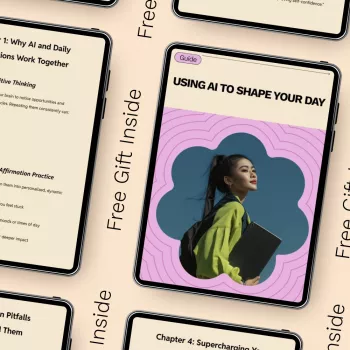
AI can help draft emails, clean up wording, summarize long notes, or turn a rough to-do list into a workable plan. For a practical routine approach, see this guide to building a better day with AI using quick check-ins and routines.
5) Security and fraud detection
Banks and retailers use AI to spot unusual spending patterns and flag potential fraud quickly. AI also helps filter spam, detect suspicious logins, and improve account security through risk scoring.
For 5 Everyday Uses of AI That Make Life Easier, the best answer depends on fit, material, care instructions, and how the product will be used day to day.
Checking those details first helps avoid a poor match and keeps the choice practical after delivery.
For 5 Everyday Uses of AI That Make Life Easier, the best answer depends on fit, material, care instructions, and how the product will be used day to day.
FAQ
How can AI help me build better daily habits?
AI can prompt quick check-ins, suggest simple next actions, and help you notice patterns in your schedule—making routines easier to start and maintain without overcomplicating your day.
Recommended for you


Clean Once, Relax More: The 3-Loop Home Reset Plan
Jul 30, 2026












Leave a comment