-
Shop
- Advanced Technologies
- AI Career Advantage Collection
- AI Skills Mastery 2026 Collection
- Arts, Crafts & Hobbies
- Bathroom
- Best-Sellers
- Car Accessories
- Dating & Social Skills
- Denim
- 7FOR
- AGOLDE
- Antony Morato
- Armani Exchange
- Boss
- Brunello Cucinelli
- Calvin Klein Jeans
- Costume National
- Desigual
- Diesel
- Dolce & Gabbana
- Dsquared²
- Ermanno Scervino
- Fendi
- Gianni Lupo
- Guess Jeans
- Ichi
- Just Cavalli
- Lee
- Levi's
- Liu Jo
- Morgan De Toi
- Mother Denim
- Only
- Pepe Jeans
- Pinko
- Replay
- Valentino
- Vero Moda
- Digital Resources
- Education & Learning
- Family & Parenting
- Fashion
- Furniture
- Gadgets
- Health & Beauty
- Health & Wellness
- Home & Garden
- Kids & Babies
- Kitchen
- Lighting
- Patio, Lawn & Garden
- Personal Growth
- Pet Care
- Pet Supplies
- Pets
- Sport & Outdoors
- TikTok Growth & Monetization Mastery
- Travel
- Wealth
- Popular
- Best deals
4″ Round Hand Waxing Pads: Apply & Buff Without Haze
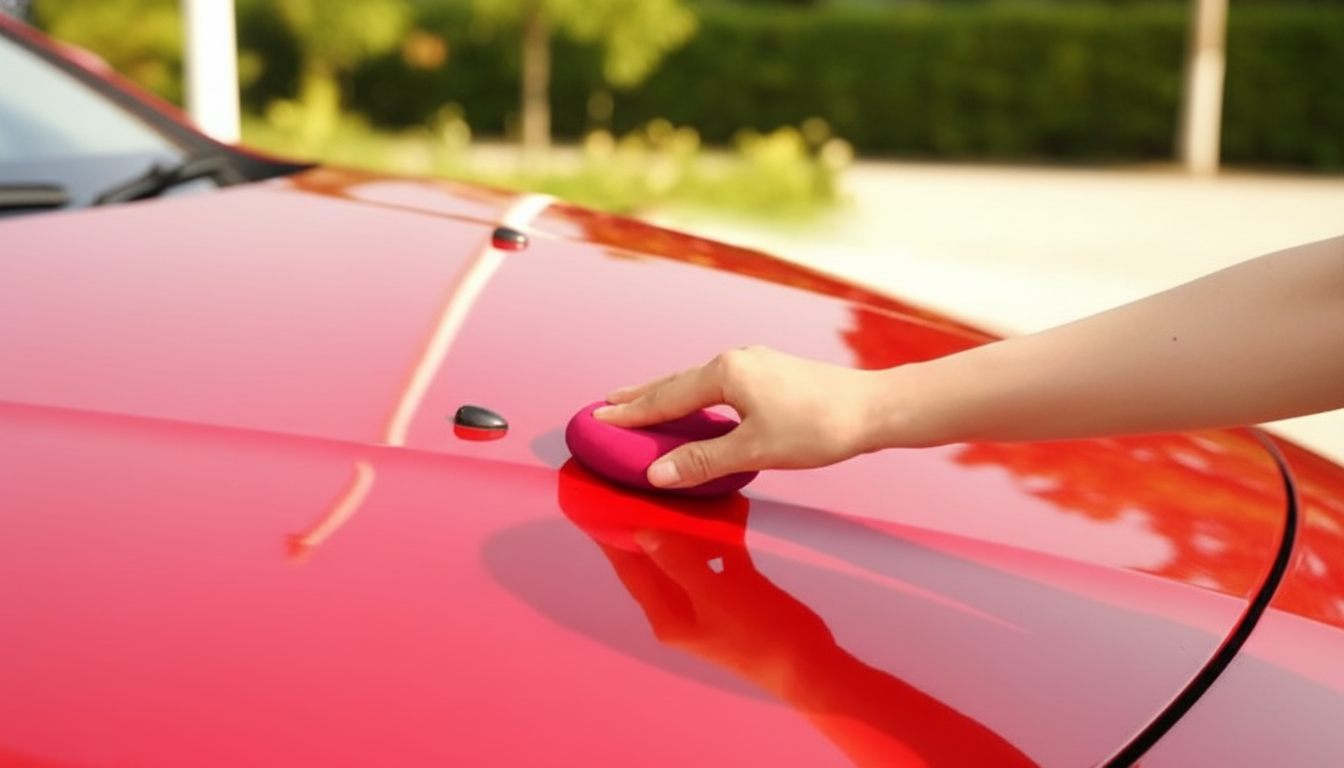
4” Round Hand Polishing Sponge Pads for Waxing & Buffing
A round hand polishing sponge pad is a simple tool that can make waxing and buffing faster, cleaner, and more consistent—especially on curves, bumpers, and tight areas where machines can be awkward. With the right pad and a few technique tweaks, it’s easier to spread product evenly, reduce wasted wax, and finish with a clearer, more uniform shine.
What these round hand pads are best for
- Applying paste waxes, spray waxes, and sealants in thin, even coats
- Hand-buffing hazy residue to restore clarity and gloss
- Detailing smaller panels and contours: mirrors, pillars, spoilers, door cups, and bumper lines
- Quick touch-ups between full details without setting up a machine polisher
- Home use on motorcycles, helmets, appliances, and glossy surfaces that benefit from gentle polishing
Why a 4-inch round shape feels different than a block applicator
- Natural wrist motion: the circle aligns with small circular passes and reduces edge digging
- Better control on curves: a round pad follows body lines with less skipping or bunching
- More even pressure: the contact patch stays consistent as the pad rotates in-hand
- Less product buildup in corners: compared with thicker rectangular foam blocks
- Easier to “feather” pressure near badges, trim, and panel edges
How to use hand polishing sponge pads for waxing
- Wash and dry the surface first; any remaining grit can turn hand waxing into light marring.
- Prime the pad: add a small amount of product and spread it into the foam to avoid blotchy spots.
- Work one small section at a time (for example, half a door or a quarter hood) to maintain control.
- Apply thin coats; thick wax layers waste product and can be harder to buff off cleanly.
- Use light-to-moderate pressure; let the product do the work rather than pressing hard.
- Keep away from porous trim unless the wax/sealant is trim-safe; mask delicate areas if needed.
- Allow proper haze/cure time according to the wax label, then buff with a clean microfiber towel.
For brand-specific guidance on application timing and wipe-off, follow established detailing instructions from authoritative sources such as Meguiar’s (How to Apply Wax) and 3M Auto Care.
Hand-buffing technique for a clearer finish
- Switch to a fresh, dry towel for final buffing; overloaded towels can smear oils.
- Use two-step wiping: first pass to lift residue, second pass to refine gloss.
- Flip the towel often; use multiple towels for larger vehicles to avoid re-depositing wax.
- For streaks: lightly mist a quick detailer or diluted rinseless wash on the towel and re-buff.
- Check the finish from different angles and lighting to catch high spots or missed haze.
Pad care: cleaning, drying, and reusing
- After use, rinse the pad with warm water and a small amount of mild soap to remove wax residue.
- Gently squeeze—do not twist aggressively, which can tear foam or deform the pad.
- Air-dry fully before storing to prevent odor and mildew.
- Store in a clean, dust-free container or zip bag once completely dry.
- Retire pads that become stiff, crumbly, or permanently loaded with product.
Common mistakes that cause haze, swirls, or patchiness
- Applying wax to a hot panel or in direct sun, which can bake residue onto paint.
- Using a dirty pad or towel that contains grit.
- Applying too much product, leading to smearing and hard buff-off.
- Pressing too hard on edges and body lines where clear coat is thinner.
- Using the same towel for removal and final glossing without flipping to a clean side.
- Skipping a test spot on unfamiliar products or finishes.
Quick comparison: hand pad vs machine pad for waxing and buffing
Hand pads excel for precision, quick jobs, and low-risk finishing on delicate areas. Machine polishers can save time on large panels and are better for correction steps, but require more setup and technique. A practical approach is to use a machine for polishing/correction (if needed) and a hand pad for final wax application around edges and trim.
When a 4” hand pad is the better choice
| Situation | Hand pad advantage | Tip for best results |
|---|---|---|
| Tight curves and small panels | More control and less sling | Use small circular or crosshatch strokes with light pressure |
| Trim-adjacent areas | Reduced chance of hitting plastic or rubber with a spinning tool | Mask trim or use a trim-safe protectant |
| Quick maintenance wax | Fast setup and easy cleanup | Apply ultra-thin; buff with a fresh microfiber |
| Beginner-friendly finishing | Lower risk of overheating or aggressive action | Keep the surface clean and the pad/towel debris-free |
Best pairing for a cleaner wipe-off
A simple setup that works well for most vehicles is pairing a dedicated applicator with a plush towel, such as the Soft Striped Coral Fleece Face Towel, then reserving a second clean towel for the final “jeweling” pass.
Product option: 4” Round Hand Polishing Sponge Pads for Waxing & Buffing
Compare related options such as 4” Round Hand Polishing Sponge Pads for Waxing & Buffing, and Money Habits That Stick: The Ultimate Guide on How to Build Discipline with Money to match features, dimensions, and use case before choosing.
FAQ
Can these sponge pads be used with paste wax, liquid wax, or spray wax?
Yes. Paste wax typically performs best when applied extremely thin, while liquids and sprays spread quickly—prime the pad first and avoid overloading to reduce streaking and smearing.
How do you clean wax out of a hand polishing sponge pad?
Rinse with warm water and mild soap, then gently squeeze repeatedly until the water runs clearer. Let the pad air-dry completely before storing, and avoid harsh solvents that can break down foam.
Will hand waxing with a sponge pad cause swirls?
It can if the surface, pad, or towel has dirt or grit. Minimize the risk by washing thoroughly first, using clean pads and towels, and keeping pressure light with thin product layers.
Recommended for you


Farmhouse Fireplace TV Stand: 40″ Insert for 80″ TVs
May 10, 2026












Leave a comment