-
Shop
- Advanced Technologies
- AI Career Advantage Collection
- AI Skills Mastery 2026 Collection
- Arts, Crafts & Hobbies
- Bathroom
- Best-Sellers
- Car Accessories
- Dating & Social Skills
- Denim
- 7FOR
- AGOLDE
- Antony Morato
- Armani Exchange
- Boss
- Brunello Cucinelli
- Calvin Klein Jeans
- Costume National
- Desigual
- Diesel
- Dolce & Gabbana
- Dsquared²
- Ermanno Scervino
- Fendi
- Gianni Lupo
- Guess Jeans
- Ichi
- Just Cavalli
- Lee
- Levi's
- Liu Jo
- Morgan De Toi
- Mother Denim
- Only
- Pepe Jeans
- Pinko
- Replay
- Valentino
- Vero Moda
- Digital Resources
- Education & Learning
- Family & Parenting
- Fashion
- Furniture
- Gadgets
- Health & Beauty
- Health & Wellness
- Home & Garden
- Kids & Babies
- Kitchen
- Lighting
- Patio, Lawn & Garden
- Personal Growth
- Pet Care
- Pet Supplies
- Pets
- Sport & Outdoors
- TikTok Growth & Monetization Mastery
- Travel
- Wealth
- Popular
- Best deals
50W Bluetooth Speaker Outdoors: IPX7 + TWS Stereo
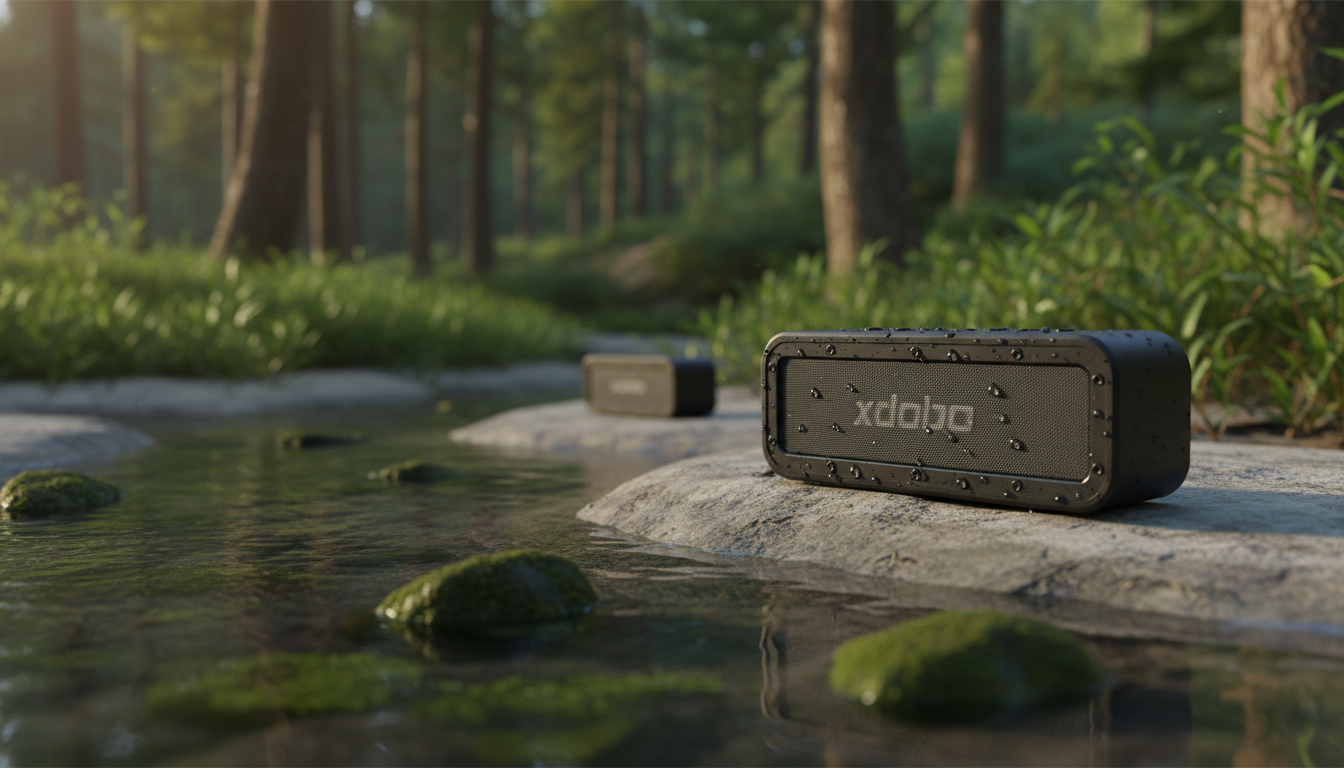
50W Power + Subwoofer: Why It Sounds “Bigger” Outdoors
Big volume is easy to find; big volume that still sounds full outdoors is harder. A 50W Bluetooth speaker with a built-in subwoofer is designed for punchy lows, clear vocals, and enough headroom to keep music lively at poolside, on the patio, or at a campsite. The extra wattage isn’t just about “loud”—it’s about staying clean and controlled when you turn it up in open-air spaces where sound dissipates quickly. For more guidance, see Tronsmart Force 2 – Reviews – Head-Fi.
A dedicated subwoofer (or bass driver) helps kick drums and basslines keep their weight when there aren’t walls and ceilings nearby to reinforce low frequencies. The best results come from balanced tuning: strong bass feels satisfying only when mids remain present for vocals, guitars, and speech. Placement also matters more than most people expect—near a wall or corner you’ll usually hear fuller lows, while out in the middle of a yard the sound can feel cleaner but lighter in bass. For further reading, see Best Loud Waterproof Bluetooth Speaker for Any Adventure.
Recommended pick for outdoor volume and low-end punch
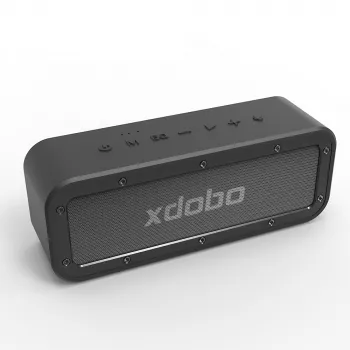
If you want that “portable but not small-sounding” experience, check out the 50W Bluetooth Speaker with Subwoofer, IPX7 Waterproof, TWS Wireless Sound. It’s built for higher output, deeper bass support, and flexible placement where a phone speaker (or a tiny Bluetooth puck) can’t compete.
IPX7 Waterproof: What It Covers (and What It Doesn’t)
An IPX7 rating is designed for water immersion protection under test conditions (commonly up to 1 meter for 30 minutes). In everyday terms, that makes a speaker well-suited for rain, splashes, and the occasional “oops” moment near the pool. For a deeper reference on what IP ratings mean, the standard is defined under IEC 60529.
Waterproof doesn’t mean worry-free, though. Even when a speaker body is sealed, ports and connectors can be vulnerable if moisture is trapped inside and you plug in power too soon. Always let port areas air-dry before charging. Also note: waterproof isn’t the same as drop-proof—rocks, pool decks, and concrete can still crack housings or dent grilles if the speaker tips over.
Everyday water situations and how to handle them
| Situation | Is it typically fine with IPX7? | Best practice |
|---|---|---|
| Light rain or mist | Yes | Keep ports closed; wipe dry after use |
| Pool splashes | Yes | Avoid charging until fully dry |
| Accidental dunk (brief) | Usually | Retrieve quickly; dry exterior; air-dry ports |
| Shower use | Often | Keep away from direct high-pressure spray |
| Ocean/sand | Use caution | Rinse residue (if allowed), dry, keep ports sealed |
TWS Wireless Sound: Real Stereo with Two Speakers
TWS (True Wireless Stereo) pairs two compatible speakers so one plays the left channel and the other plays the right channel. That creates a wider image and more natural separation—hi-hats and guitars don’t stack on top of vocals, and the sound feels like it “fills” the space rather than blasting from one spot.
TWS also helps at gatherings because you don’t need to run a single speaker at maximum volume to reach everyone. Two speakers sharing the work often sounds smoother and less strained. For placement, aim for about 6–10 feet apart, facing the listening area, and keep both at similar height (two tables or two chairs) so the stereo image stays stable.
Pairing tip that prevents most setup frustration: create the speaker-to-speaker TWS link first, then connect the combined system to your phone. That reduces confusion if your phone tries to connect to “Speaker A” one day and “Speaker B” the next.
If you’re curious about how Bluetooth capabilities are standardized across devices, the reference documentation lives with the Bluetooth Core Specification.
Setup Checklist for Reliable Bluetooth Performance
Portable speakers are designed to be easy, but outdoor use adds distance, obstacles, and interference. A quick setup routine keeps connections stable and reduces audio stutters.
- Charge fully before the first long session. This helps stabilize battery reporting and avoids early shutoffs during initial cycles.
- Keep your phone within line of sight when possible. People, coolers, and patio walls can weaken signal strength outside.
- If audio stutters, reduce interference. Step away from crowded Wi‑Fi areas, disconnect unused Bluetooth wearables, or shorten the distance.
- Check latency for video. Some apps handle Bluetooth delay better than others; TWS can sometimes add a small extra delay.
- Reset and re-pair when needed. “Forget” the device on your phone, restart both, then pair again for a clean handshake.
Getting the Best Sound in Common Scenarios
Backyard BBQ
Poolside
Camping
Small indoor room
Two-speaker stereo (TWS)
Care, Charging, and Long-Term Durability
Extra prep for cold-weather trips
If your outdoor plans extend into colder seasons, having a checklist can prevent gear surprises. The Ready for Winter Ready for Anything – Winter Sport Gear Basics eBook is a practical reference for layering and equipment planning when temperatures drop.
FAQ
Can an IPX7 speaker be used in the shower or near a pool?
Yes—IPX7 is designed to handle splashes and brief immersion under test conditions. Keep ports sealed, avoid charging while anything is still wet, and try not to place it directly under high-pressure spray.
How does TWS pairing work for stereo sound?
TWS links two compatible speakers so one plays the left channel and the other plays the right channel. Place them about 6–10 feet apart at similar height, and pair speaker-to-speaker first before connecting to your phone.
Why does bass sound weaker outdoors than indoors?
Outdoors, low frequencies don’t get reinforced by nearby walls and ceilings, so bass disperses more quickly. Moving the speaker closer to a wall or solid surface often brings back weight without needing extreme EQ.
Recommended for you

Wooden Crib Mobile: Felt Balloons & Astronauts Decor
May 26, 2026











Leave a comment