-
Shop
- Advanced Technologies
- AI Career Advantage Collection
- AI Skills Mastery 2026 Collection
- Arts, Crafts & Hobbies
- Bathroom
- Best-Sellers
- Car Accessories
- Dating & Social Skills
- Denim
- 7FOR
- AGOLDE
- Antony Morato
- Armani Exchange
- Boss
- Brunello Cucinelli
- Calvin Klein Jeans
- Costume National
- Desigual
- Diesel
- Dolce & Gabbana
- Dsquared²
- Ermanno Scervino
- Fendi
- Gianni Lupo
- Guess Jeans
- Ichi
- Just Cavalli
- Lee
- Levi's
- Liu Jo
- Morgan De Toi
- Mother Denim
- Only
- Pepe Jeans
- Pinko
- Replay
- Valentino
- Vero Moda
- Digital Resources
- Education & Learning
- Family & Parenting
- Fashion
- Furniture
- Gadgets
- Health & Beauty
- Health & Wellness
- Home & Garden
- Kids & Babies
- Kitchen
- Lighting
- Patio, Lawn & Garden
- Personal Growth
- Pet Care
- Pet Supplies
- Pets
- Sport & Outdoors
- TikTok Growth & Monetization Mastery
- Travel
- Wealth
- Popular
- Best deals
At-Home Baby Play: Sensory & Motor Ideas by Age
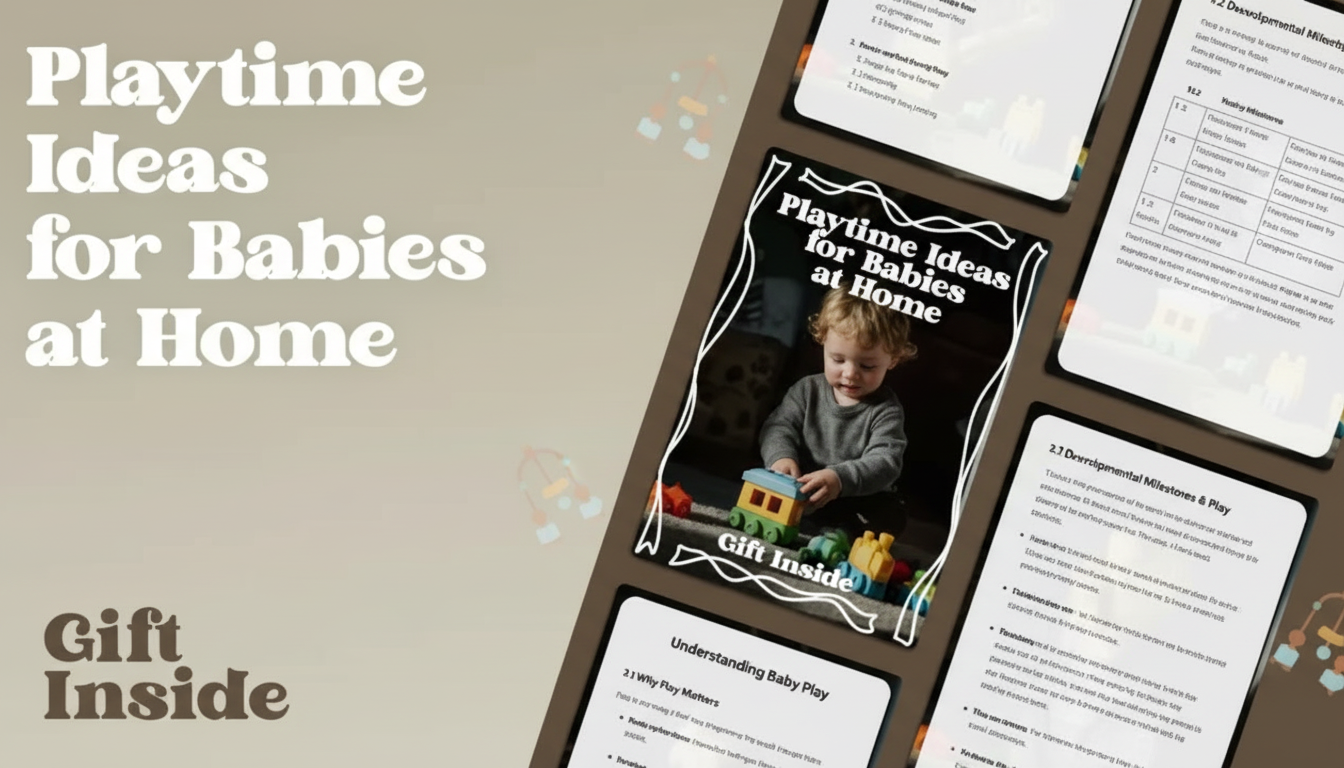
Playtime Ideas for Babies at Home: Sensory Play and Motor Skill Activities
Daily play at home can support a baby’s growing brain and body—without complicated setups or expensive toys. With a few safe household items and a simple rhythm, it’s possible to build sensory experiences, strengthen muscles, and encourage early communication in short, doable bursts between naps, meals, and diaper changes.
For a helpful benchmark on what skills often emerge around different ages, check trusted milestone resources like the CDC Milestones and guidance from the American Academy of Pediatrics.
What Baby Play Supports (and What to Watch For)
- Sensory learning: touch, sound, sight, movement, and simple cause-and-effect experiences (shake, bang, drop, repeat).
- Motor development: head control, rolling, sitting balance, reaching, grasping, crawling, cruising, and early standing.
- Communication and bonding: turn-taking, facial expressions, early imitation, and shared attention (“You see it, then I see it”).
- Safety foundations: close supervision, choking hazards, secure play surfaces, non-toxic materials, and allergy awareness.
- Rule of thumb: short, frequent play bursts often work better than long sessions—especially for young babies.
Set Up a Simple, Safe Play Space at Home
- Choose a stable surface: a firm mat or folded blanket on the floor, away from cords, pets, and sharp edges.
- Create a “yes zone”: a small area where most items are safe to mouth and explore under supervision.
- Rotate 3–5 items at a time to keep interest high without overstimulation.
- Use everyday materials: scarves, wooden spoons, silicone spatulas, cardboard boxes, and unbreakable plastic containers.
- Keep it clean: wash fabrics regularly; sanitize frequently mouthed items; avoid loose beads and small detachable parts.
Quick setup checklist by activity type
| Activity type | What you need | Safety note |
|---|---|---|
| Tummy-time play | Mat + rolled towel + high-contrast card | Stay within arm’s reach; stop if baby fatigues |
| Water play (dry setup) | Bowl + damp washcloth + cups | No unattended water; keep shallow and controlled |
| Texture exploration | 2–4 fabric swatches or safe sensory items | Avoid shedding fibers; watch for mouthing |
| Sound play | Rattle/keys-like toy + soft music | Keep volume low; avoid tiny components |
| Grasp & transfer | Large rings, soft blocks, crinkle fabric | Choose items larger than baby’s mouth |
0–3 Months: Calm Sensory Moments and Gentle Movement
- High-contrast tracking: slowly move a black-and-white card side to side to encourage eye tracking. Pause when baby looks away, then offer again.
- Tummy-time micro-sessions: aim for 30–90 seconds several times daily; add a rolled towel under the chest if needed for comfort.
- Skin-to-skin sensory: try gentle massage after bath using a baby-safe lotion (if approved by your pediatrician), focusing on slow strokes and calm voice.
- Sound mapping: speak softly from different sides to invite head turning (“Hi, I’m over here”).
- Hand discovery: offer a clean, soft cloth for brief grasp reflex practice, then remove it once baby loses interest.
3–6 Months: Reaching, Grasping, Rolling, and Cause-and-Effect
- Reach-and-bat toys: place an easy-to-grab ring slightly to the side to encourage reaching across the body.
- Rolling motivation: place a favorite object just out of reach; cheer small attempts without forcing the roll.
- Crinkle and squeeze: introduce crinkle fabric for auditory feedback and hand strengthening.
- Mirror play: a baby-safe mirror supports visual attention and early social interest (smiles, babbles, “conversation”).
- Supported sitting play: short sits with support; offer one item at a time to practice midline control and reduce wobble.
6–9 Months: Sitting Balance, Transfer Skills, and Early Crawling
- Container play: place a few large items into a shallow bin; practice taking out, banging, and transferring.
- Two-hand coordination: offer two different textures to hold, then encourage passing from one hand to the other.
- Obstacle tummy-time: use a rolled blanket “speed bump” to encourage pushing up, pivoting, and early forward movement.
- Peekaboo with a scarf: builds anticipation and turn-taking. Keep fabric light and remove it quickly after the “reveal.”
- Kitchen band: safe utensils (wood/silicone) for tapping rhythms on a soft surface.
9–12+ Months: Pull-to-Stand, Cruising, and Simple Pretend Play
Sensory Play Without the Mess (and With the Mess Contained)
A Simple Daily Rhythm: 10 Minutes at a Time
Digital Baby Activity eBook: Ready-to-Use Play Plans for Sensory and Motor Development
If it helps to have ideas organized and ready, Playtime Ideas for Babies at Home | Digital Baby Activity eBook for Sensory Play, Motor Skills & Development pulls age-friendly activities into clear, doable play plans with simple supply lists and steps that fit real routines.
For a cozy companion that can be used in gentle pretend play, calming routines, and “find the bear” games later on, consider the Cozy Cuddly Cowboy Bear Plush Toy – Soft Hugging Companion.
FAQ
How long should playtime be for a baby at home?
Offer short, frequent play sessions throughout the day, often 5–10 minutes at a time. Follow baby’s cues and stop when baby shows fatigue, turning away, fussiness, or distress.
What are safe sensory play materials for babies who mouth everything?
Choose large, non-toxic, easy-to-clean items without small parts, peeling layers, or anything that can splinter or tear. Supervise closely and avoid loose beads, button eyes, and detachable pieces that could become choking hazards.
When should a caregiver ask a pediatrician about motor development concerns?
If baby consistently seems unusually stiff or floppy, strongly favors one side, loses previously gained skills, or struggles to meet multiple milestones over time, bring it up with a pediatrician. Trust your gut—early guidance from a pediatrician or pediatric physical therapist can provide personalized next steps.













Leave a comment