-
Shop
- Advanced Technologies
- AI Career Advantage Collection
- AI Skills Mastery 2026 Collection
- Arts, Crafts & Hobbies
- Bathroom
- Best-Sellers
- Car Accessories
- Dating & Social Skills
- Denim
- 7FOR
- AGOLDE
- Antony Morato
- Armani Exchange
- Boss
- Brunello Cucinelli
- Calvin Klein Jeans
- Costume National
- Desigual
- Diesel
- Dolce & Gabbana
- Dsquared²
- Ermanno Scervino
- Fendi
- Gianni Lupo
- Guess Jeans
- Ichi
- Just Cavalli
- Lee
- Levi's
- Liu Jo
- Morgan De Toi
- Mother Denim
- Only
- Pepe Jeans
- Pinko
- Replay
- Valentino
- Vero Moda
- Digital Resources
- Education & Learning
- Family & Parenting
- Fashion
- Furniture
- Gadgets
- Health & Beauty
- Health & Wellness
- Home & Garden
- Kids & Babies
- Kitchen
- Lighting
- Patio, Lawn & Garden
- Personal Growth
- Pet Care
- Pet Supplies
- Pets
- Sport & Outdoors
- TikTok Growth & Monetization Mastery
- Travel
- Wealth
- Popular
- Best deals
Calm Ear Cleaning for Dogs & Cats: Safe Steps
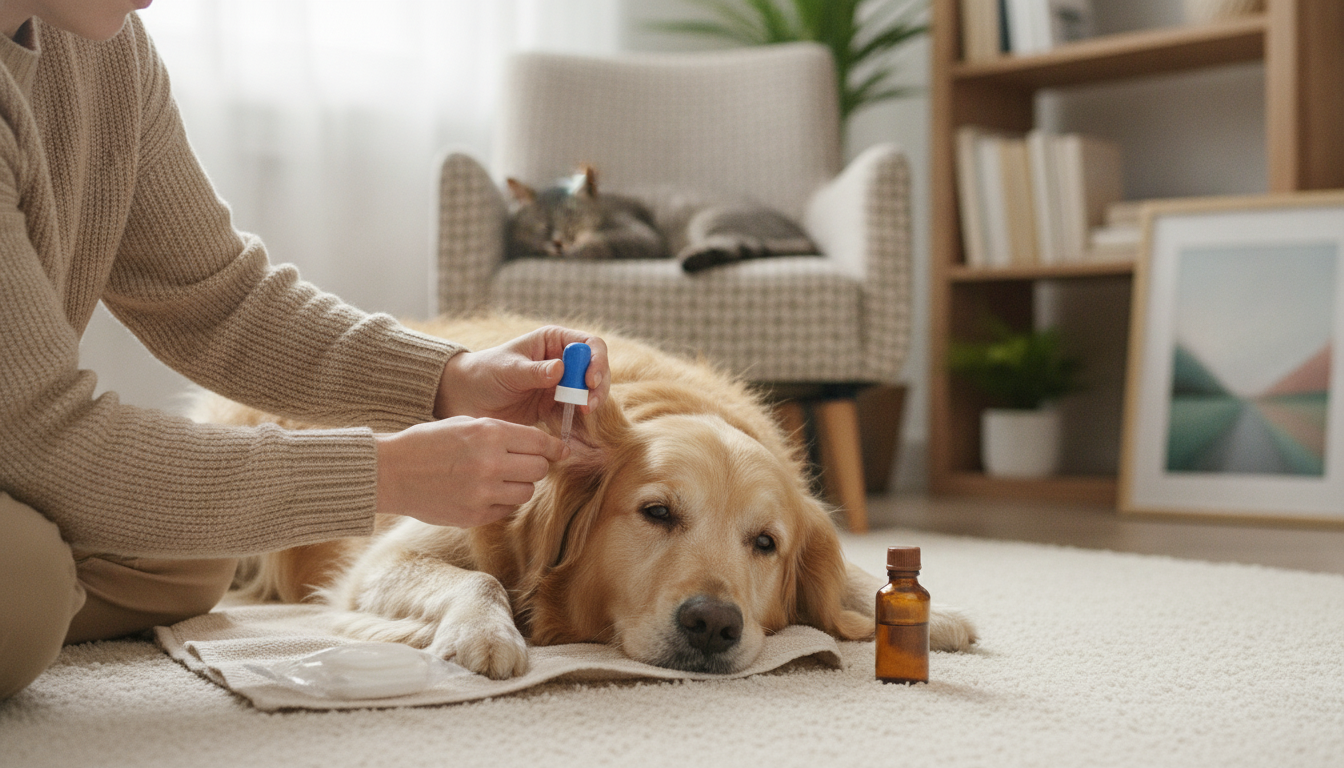
Cleaning Your Pet’s Ears Safely: A Calm, Step-by-Step Routine for Dogs and Cats
Regular ear care can prevent discomfort, odors, and recurring infections—especially for pets with floppy ears, allergies, or frequent swimming. A safe routine focuses on gentle handling, the right supplies, and knowing when cleaning is appropriate versus when a veterinary visit is needed.
Why ear cleaning matters (and when it’s not needed)
Healthy ears are “self-cleaning” to a point. A small amount of light wax is normal, and frequent scrubbing can do more harm than good by irritating the ear canal and fueling inflammation. The goal of ear cleaning is simple: remove excess debris you can see, support a clean and dry outer ear, and avoid pushing anything deeper.
Some pets are more likely to develop buildup, including floppy-eared dogs, dogs with hairy ear canals, frequent swimmers, and pets with allergies or sensitive skin. Cats often need less routine ear cleaning than dogs unless there’s visible wax buildup or a medical reason your veterinarian has identified.
Know when to stop and call a veterinarian
Ear cleaning should never be a “push through it” task. If you see or notice significant pain, swelling, bleeding, a head tilt, loss of balance, or sudden changes in hearing, stop and contact a veterinarian. Strong foul odor, yellow/green discharge, or thick black debris can also signal infection or ear mites and needs veterinary guidance.
Repeated head shaking, intense scratching, or crying when the ear is touched can indicate inflammation—and in some cases, there may be a risk of a ruptured eardrum. If your pet has a history of chronic ear infections, ask your veterinarian for a customized schedule and product recommendations.
Quick ear check: normal vs. needs attention
| What you notice | Often normal | Often needs veterinary care |
|---|---|---|
| Small amount of light tan wax | Yes | No |
| Mild “doggy” or neutral smell | Yes | No |
| Redness that improves after calming down | Sometimes | If persistent or worsening |
| Strong odor, thick discharge, or pus | No | Yes |
| Frequent head shaking or one ear held down | No | Yes |
| Black coffee-ground debris (common with mites) | No | Yes |
| Pain when touching the ear or yelping | No | Yes |
Supplies to gather before starting
Having everything ready helps you finish quickly—before your pet gets overwhelmed.
- Pet-approved ear cleaning solution (avoid alcohol, hydrogen peroxide, essential oils, or vinegar unless directed by a veterinarian).
- Cotton balls or soft gauze squares for wiping (avoid cotton swabs/Q-tips inside the canal).
- Treats to reward calm behavior; a towel for secure handling and cleanup.
- Optional: disposable gloves if there is noticeable wax/debris; a second person for gentle restraint if needed.
- A quiet spot with good lighting; keep the routine short and predictable.
If you’d like a printable-style routine to follow, keep Cleaning Your Pet’s Ears Safely – Easy Step-by-Step Guide to Ear Cleaning for Pets, Dogs & Cats nearby so the process stays consistent from one session to the next.
Set up a low-stress routine (especially for nervous pets)
Calm handling matters as much as technique. Start with “ear touch” practice: briefly touch the outer ear, reward, then end the session. Over several days, build up to lifting the ear flap, touching the base, and holding a cotton ball near the opening.
Pet parents who feel anxious about routine care often do better with a simple plan and a steadier mindset. If you’re building confidence with hands-on routines, Body Confidence Blueprint | Ebook Guide on How to Build Body Confidence, Self-Image & Everyday Confidence can help support calmer, more consistent follow-through—especially for tasks that used to feel stressful.
Step-by-step: cleaning a dog’s ears safely
Step 1 — Inspect first
Step 2 — Add cleaner
Step 3 — Massage the base
Step 4 — Let the shake happen
Step 5 — Wipe only what you can see
Step 6 — Reward and repeat
For additional technique details, the American Kennel Club’s guide to cleaning dog ears offers a helpful visual breakdown of safe handling.
Step-by-step: cleaning a cat’s ears safely
Step 1 — Keep it short
Step 2 — Inspect and assess
Step 3 — Use minimal solution
Step 4 — Gentle massage
Step 5 — Wipe visible areas only
Step 6 — Positive finish
How often to clean (a practical schedule)
If a veterinarian prescribes medicated drops, follow directions carefully. In many cases, cleaning right before medication (when advised) helps the medication contact the skin more effectively. If you’re seeing recurring debris, odor, or redness, that pattern often points to allergies or infection rather than simple hygiene. For deeper background on ear inflammation and infection risk, see Cornell’s overview of ear infections in dogs and VCA’s resource on otitis externa.
Common mistakes that can cause irritation or injury
Aftercare: keep ears comfortable between cleanings
A simple, step-by-step guide to keep on hand
FAQ
Can hydrogen peroxide or vinegar be used to clean pet ears?
It’s best to use a pet-formulated ear cleaner. Peroxide, alcohol, and vinegar can sting irritated tissue and may worsen inflammation unless a veterinarian specifically directs their use for your pet’s situation.
How do you know if ear wax is normal or an infection?
Normal wax is usually a small amount of light tan buildup with a mild or neutral odor. Signs that often need veterinary evaluation include strong smell, redness or swelling, pain, discharge, head tilt, or frequent shaking and scratching.
Is it safe to use cotton swabs in a dog or cat’s ears?
No—cotton swabs shouldn’t be used inside the ear canal because they can push debris deeper or injure delicate tissue. Stick to wiping only what you can see on the ear flap and at the entrance using gauze or cotton balls.
Recommended for you


Electric Fireplace Assembly Cost: DIY vs Pro Pricing
Jul 23, 2026
Calvin Klein Jeans Women’s Blue Denim: Fit & Styling
Jul 23, 2026












Leave a comment