-
Shop
- Advanced Technologies
- AI Career Advantage Collection
- AI Skills Mastery 2026 Collection
- Arts, Crafts & Hobbies
- Bathroom
- Best-Sellers
- Car Accessories
- Dating & Social Skills
- Denim
- 7FOR
- AGOLDE
- Antony Morato
- Armani Exchange
- Boss
- Brunello Cucinelli
- Calvin Klein Jeans
- Costume National
- Desigual
- Diesel
- Dolce & Gabbana
- Dsquared²
- Ermanno Scervino
- Fendi
- Gianni Lupo
- Guess Jeans
- Ichi
- Just Cavalli
- Lee
- Levi's
- Liu Jo
- Morgan De Toi
- Mother Denim
- Only
- Pepe Jeans
- Pinko
- Replay
- Valentino
- Vero Moda
- Digital Resources
- Education & Learning
- Family & Parenting
- Fashion
- Furniture
- Gadgets
- Health & Beauty
- Health & Wellness
- Home & Garden
- Kids & Babies
- Kitchen
- Lighting
- Patio, Lawn & Garden
- Personal Growth
- Pet Care
- Pet Supplies
- Pets
- Sport & Outdoors
- TikTok Growth & Monetization Mastery
- Travel
- Wealth
- Popular
- Best deals
Car Phone Mount Guide: Safer, Steadier Driving Setup
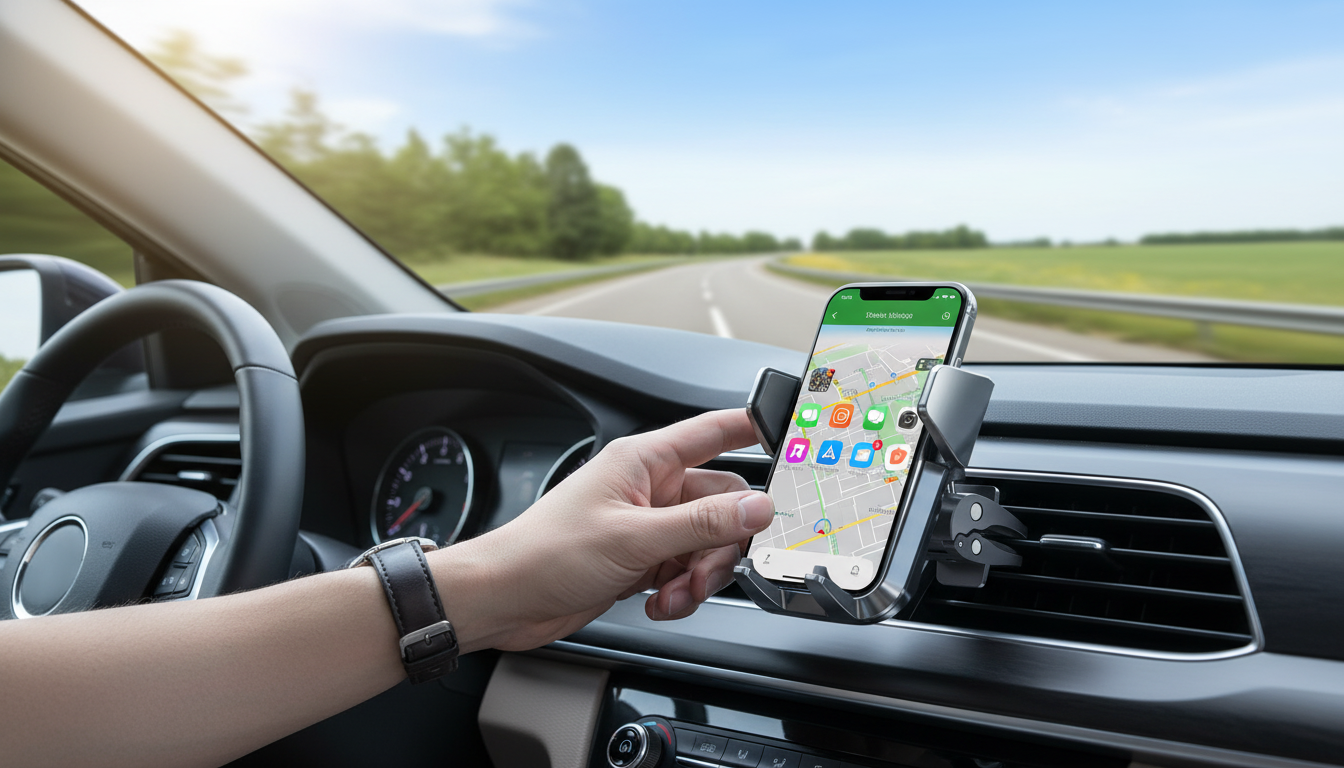
Car Phone Mount: Safer Navigation, Cleaner Dashboard, Better Visibility
A stable phone mount keeps your screen at a glanceable height for navigation and hands-free call controls, while reducing fumbling, drops, and cable tangles. The best setup depends on where it attaches, how it grips your phone (with or without a case), and how well it holds its position over potholes, vibration, and hot-cold cabin swings.
Why a Phone Mount Matters While Driving
Even short moments spent searching for your phone can add up to meaningful distraction. A dedicated mount creates a single, consistent “home” for your device so it’s easier to follow maps and manage calls without shifting your posture or taking your eyes off the road for long.
- Keeps the screen in a consistent line of sight for maps and call controls
- Reduces the temptation to hold the phone, supporting safer driving habits
- Helps prevent drops that can damage the phone or distract the driver
- Creates a predictable place for charging and cable routing
For additional safety guidance on distraction behind the wheel, see NHTSA’s distracted driving resources and research summaries from the AAA Foundation.
Mount Styles and Where They Work Best
Mount location is the biggest comfort and visibility decision. Some drivers prefer a higher, closer-to-eyeline placement; others prioritize a clean install that doesn’t touch glass or adhesives.
- Dashboard mounts: convenient reach and easy viewing; best with a clean, flat surface and strong adhesive
- Windshield mounts: flexible placement; check local rules and avoid blocking the road view
- Vent mounts: quick install and removal; best with sturdy vents and moderate phone weight
- CD-slot mounts: solid position without adhesive; only if the vehicle has a usable CD slot
- Cup-holder mounts: no adhesion required; may place the screen lower than ideal for navigation
Quick comparison of common mount types
| Mount type | Stability over bumps | Best for | Watch-outs |
|---|---|---|---|
| Dashboard | High (when surface is clean and adhesive is strong) | Everyday navigation and calls | Adhesive may weaken on textured or dusty surfaces |
| Windshield | Medium–High | Flexible placement and tall vehicles | Can obstruct view; temperature swings can affect suction |
| Vent | Medium | Quick swaps between cars | Heavy phones can sag; vent damage risk on fragile slats |
| CD-slot | High | Stable center placement | Not usable if the slot is blocked or absent |
| Cup-holder | Medium | No adhesive solutions | Lower viewing angle; may wobble on rough roads |
What to Look For in a Good Holder
Two mounts can look similar but behave very differently once the road gets rough or the cabin heats up in the sun. Prioritize a firm, repeatable hold over flashy features.
- Grip and security: clamp tension or a locking mechanism that won’t loosen on potholes
- Adjustability: a ball joint or pivot for portrait/landscape, with minimal drift once set
- One-handed use: easy insert/remove without two-handed squeezing
- Phone compatibility: fits with a case on, and accommodates different widths
- Vibration control: firmer arms, shorter extension, and tight joints reduce screen shake
- Heat and sun durability: materials that resist warping and adhesive failure in hot cabins
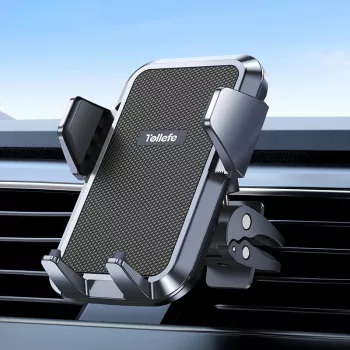
If you want a simple, budget-friendly choice that covers the essentials—steady support, adjustable viewing angle, and easier map checks—consider this Car Phone Mount.
Placement Tips for Comfort and Visibility
The “best” place is the spot that lets you glance briefly—without blocking critical views or forcing you to reach awkwardly. Before committing to adhesive, test placement by sitting in your normal driving posture and mimicking typical taps (zoom, accept call, start route).
- Position the screen so it doesn’t block the road, mirrors, or key gauges
- Keep airbags and deployment zones clear (especially passenger-side dashboard areas)
- Aim for a short reach from the steering wheel to reduce leaning or twisting
- Set the angle to reduce glare; a slight tilt can improve readability in sunlight
- Route charging cables away from shifters, pedals, and steering column movement
A small upgrade that makes a big difference: use a short charging cable (6–12 inches) to keep loops out of the way and reduce accidental yanks when turning or shifting.
Installation and Care for a Strong Hold
A great mount can still fail if the surface prep is rushed. Dust, interior protectants, and temperature changes are the usual culprits behind slipping suction cups and peeling adhesives.
- Clean the surface with isopropyl alcohol and let it fully dry before attaching adhesive bases
- Warm the cabin slightly in cold weather to help adhesives bond; press firmly for 30–60 seconds
- Allow adhesive mounts to cure (often several hours) before putting full weight on them
- Check joints and fasteners monthly; re-tighten if the angle starts to drift
- Avoid harsh cleaners on rubber pads; wipe with a damp cloth to preserve grip
A Simple, Budget-Friendly Option
For a straightforward solution, the Car Phone Mount is a practical pick for everyday driving.
More Handy Finds
- Ready for Winter Ready for Anything – Winter Sport Gear Basics eBook, Complete Cold Weather Gear Guide, Layering & Equipment Checklist for Winter Sports
- Cozy Cuddly Cowboy Bear Plush Toy – Soft Hugging Companion
FAQ
Where is the safest place to mount a phone in a car?
Place it where it doesn’t block the windshield, mirrors, or key gauges and where you can glance at it quickly without leaning. Keep it out of airbag deployment areas and avoid positions that require reaching across the steering wheel.
Why does a mount fall off the dashboard or windshield?
Most failures come from dusty or oily surfaces, textured plastics, temperature extremes, or not letting adhesive or suction set properly. Cleaning with isopropyl alcohol, pressing firmly, and allowing adequate curing time usually improves the hold.
Will a vent mount damage the air vent?
It can if the vent slats are fragile or the phone is heavy and creates leverage. Using a well-fitted clip, avoiding over-tightening, and minimizing extension helps reduce stress on the vent.
Recommended for you

Stop AI Tone Drift: Keep Brand Voice Consistent
May 20, 2026












Leave a comment