-
Shop
- Advanced Technologies
- AI Career Advantage Collection
- AI Skills Mastery 2026 Collection
- Arts, Crafts & Hobbies
- Bathroom
- Best-Sellers
- Car Accessories
- Dating & Social Skills
- Denim
- 7FOR
- AGOLDE
- Antony Morato
- Armani Exchange
- Boss
- Brunello Cucinelli
- Calvin Klein Jeans
- Costume National
- Desigual
- Diesel
- Dolce & Gabbana
- Dsquared²
- Ermanno Scervino
- Fendi
- Gianni Lupo
- Guess Jeans
- Ichi
- Just Cavalli
- Lee
- Levi's
- Liu Jo
- Morgan De Toi
- Mother Denim
- Only
- Pepe Jeans
- Pinko
- Replay
- Valentino
- Vero Moda
- Digital Resources
- Education & Learning
- Family & Parenting
- Fashion
- Furniture
- Gadgets
- Health & Beauty
- Health & Wellness
- Home & Garden
- Kids & Babies
- Kitchen
- Lighting
- Patio, Lawn & Garden
- Personal Growth
- Pet Care
- Pet Supplies
- Pets
- Sport & Outdoors
- TikTok Growth & Monetization Mastery
- Travel
- Wealth
- Popular
- Best deals
How to Choose a Portable Thermal Night Vision Scope
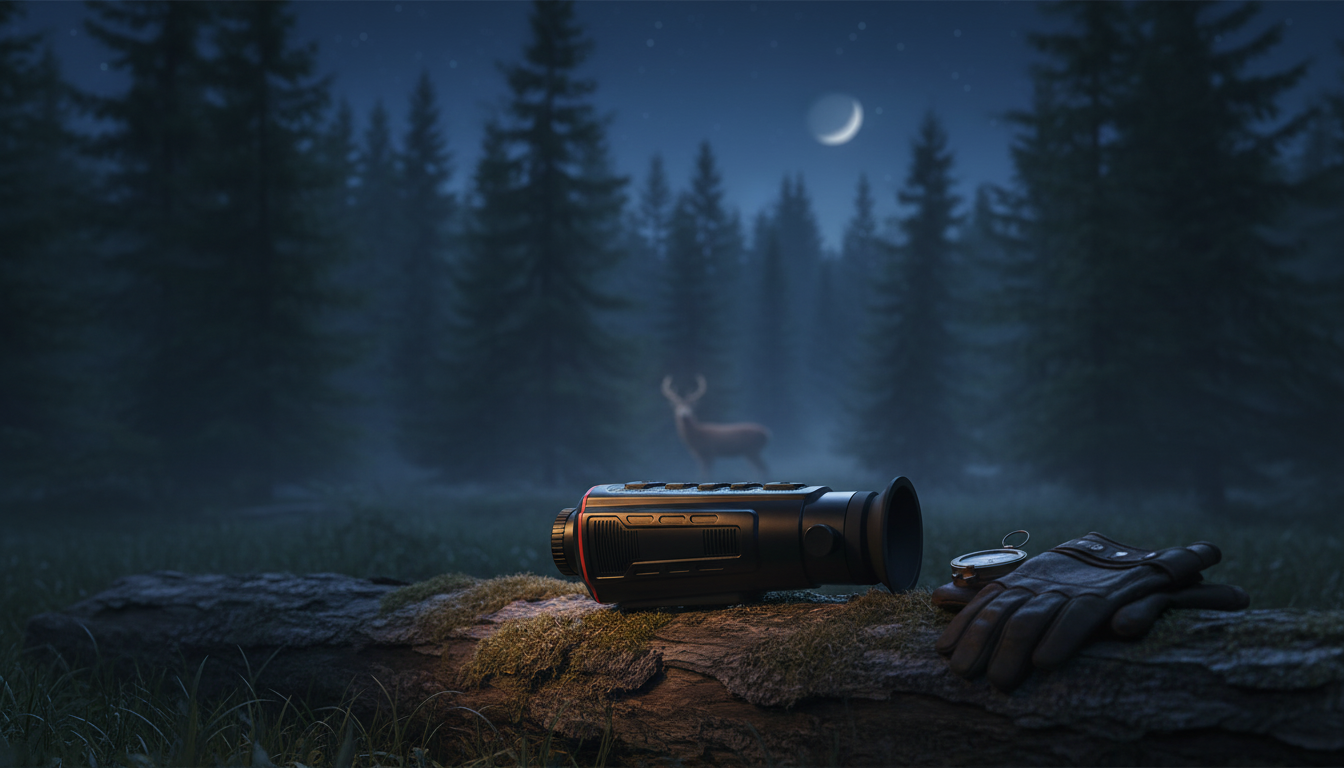
Portable Infrared Thermal Imaging Night Vision Scope: What It Is and How to Choose the Right One
A portable thermal imaging night vision scope helps detect heat signatures in low-light or no-light conditions, making it useful for hunting, wildlife observation, property checks, and search-oriented tasks. Thermal optics work differently than traditional night vision by reading infrared energy rather than amplifying visible light, so performance depends on factors like sensor sensitivity, lens quality, refresh rate, and environmental conditions.
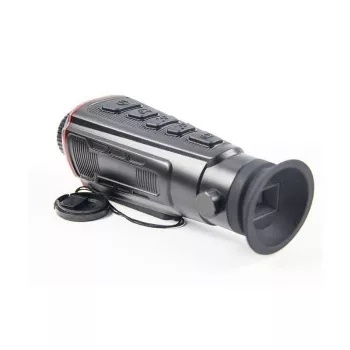
If you’re looking for a dedicated option, the Portable Infrared Thermal Imaging Night Vision Scope is an in-stock choice designed for after-dark scanning and target detection. For basic field upkeep, a soft cloth matters more than many people expect; the Soft Striped Coral Fleece Face Towel can work as a general-purpose wipe in a gear bag (use appropriate lens-safe methods for the optic itself).
What a thermal night scope does (and what it doesn’t)
A thermal scope excels at revealing “something warm” against a cooler background. That makes it exceptionally good for detection—spotting presence and movement—especially when ambient light is poor.
- Detects temperature differences to reveal people, animals, and vehicles even in darkness, light fog, or light brush.
- Does not “see through” solid objects like walls, heavy insulation, or dense terrain features; it highlights surface temperatures and heat leaking through materials.
- Image clarity changes with clutter and weather: sun-warmed rocks, roofs, and roadways can mask targets; high humidity and heavy rain can reduce contrast.
- Detection is not the same as identification: thermal helps you find a target; confirming what it is (species, gear details, what’s behind it) still requires careful verification and safe practices.
For a clear overview of how thermal differs from image-intensified night vision, see FLIR’s thermal imaging vs. night vision explainer.
Where a portable thermal scope fits best
Portability matters when you’re hiking to a stand, checking a dark property line, or moving between vantage points. A compact thermal scope can be the difference between quick scanning and leaving a tool behind.
- Hunting and predator control: spotting heat signatures at dawn, dusk, and full night; tracking direction of travel; scanning fields and tree lines before committing to movement.
- Wildlife observation: locating animals without visible light that could disrupt behavior; useful for monitoring or recovery at distance.
- Property and perimeter checks: identifying people or animals on a dark lot, near outbuildings, or along fence lines without turning on bright lights.
- Search-oriented use: quickly scanning large areas for warm bodies; best paired with communication, proper training, and local protocols.
Moisture in the air can reduce thermal contrast and effective range; NOAA’s background on water vapor and humidity helps explain why some nights “look worse” than others.
Key performance factors to evaluate before buying
Two thermal scopes can look similar but behave very differently in the field. The specs below are the ones that tend to show up in real use—especially when targets are small, far away, or partially obscured.
Quick checklist of what to compare
| Category | What to look for | Why it matters |
|---|---|---|
| Sensor & sensitivity | Adequate resolution + good thermal sensitivity | Improves detail, separation, and usability in difficult conditions |
| Optics | Quality lens size matched to typical distance | Balances detection range with weight and field of view |
| Refresh & controls | Smooth refresh rate; easy buttons/menu | Helps track motion and adjust quickly in the dark |
| Display & palettes | Readable display; multiple palettes | Better contrast across terrain and less eye strain |
| Power | Long runtime; swappable/chargeable batteries | Fewer interruptions during long nights or cold weather |
| Durability | Weather resistance; impact tolerance | More reliable in rain, dust, and field handling |
| Mounting/zero | Stable mount; repeatable zero process | Consistency and safety when used on a firearm platform |
Practical setup tips for clearer images
Care, storage, and longevity
Legal and safety considerations
- Regulations vary widely for thermal optics, especially for hunting at night; confirm rules for species, season, and permitted equipment. A practical starting point is the U.S. Fish & Wildlife Service hunting page, then verify details for your state and local area.
- Positive identification and safe backstops are essential; thermal highlights heat but may not show critical detail like reflective markers, fencing, or intervening obstacles.
- Respect privacy: using thermal devices near homes, camps, or neighboring property can create legal and ethical issues even when intentions are harmless.
FAQ
How is thermal imaging different from traditional night vision?
Thermal imaging detects infrared radiation (heat), so it can work in total darkness, while traditional night vision amplifies available light. Thermal is typically stronger for finding living targets, but it may show less fine detail for identification than good image-intensified night vision.
Will a thermal scope work in fog, rain, or snow?
It often performs better than visible-light optics in light fog, but heavy rain, wet snow, and high humidity can reduce contrast and range. Slower scanning, careful focus, and switching palettes can help when conditions degrade.
What matters most for image clarity at distance?
Sensor resolution, lens quality/size, and thermal sensitivity (NETD) are the biggest contributors, along with accurate focus. Digital zoom can help with framing, but it can’t replace real optical and sensor detail.













Leave a comment