-
Shop
- Advanced Technologies
- AI Career Advantage Collection
- AI Skills Mastery 2026 Collection
- Arts, Crafts & Hobbies
- Bathroom
- Best-Sellers
- Car Accessories
- Dating & Social Skills
- Denim
- 7FOR
- AGOLDE
- Antony Morato
- Armani Exchange
- Boss
- Brunello Cucinelli
- Calvin Klein Jeans
- Costume National
- Desigual
- Diesel
- Dolce & Gabbana
- Dsquared²
- Ermanno Scervino
- Fendi
- Gianni Lupo
- Guess Jeans
- Ichi
- Just Cavalli
- Lee
- Levi's
- Liu Jo
- Morgan De Toi
- Mother Denim
- Only
- Pepe Jeans
- Pinko
- Replay
- Valentino
- Vero Moda
- Digital Resources
- Education & Learning
- Family & Parenting
- Fashion
- Furniture
- Gadgets
- Health & Beauty
- Health & Wellness
- Home & Garden
- Kids & Babies
- Kitchen
- Lighting
- Patio, Lawn & Garden
- Personal Growth
- Pet Care
- Pet Supplies
- Pets
- Sport & Outdoors
- TikTok Growth & Monetization Mastery
- Travel
- Wealth
- Popular
- Best deals
Clear Water Anywhere: Safe Drinking Water While Traveling
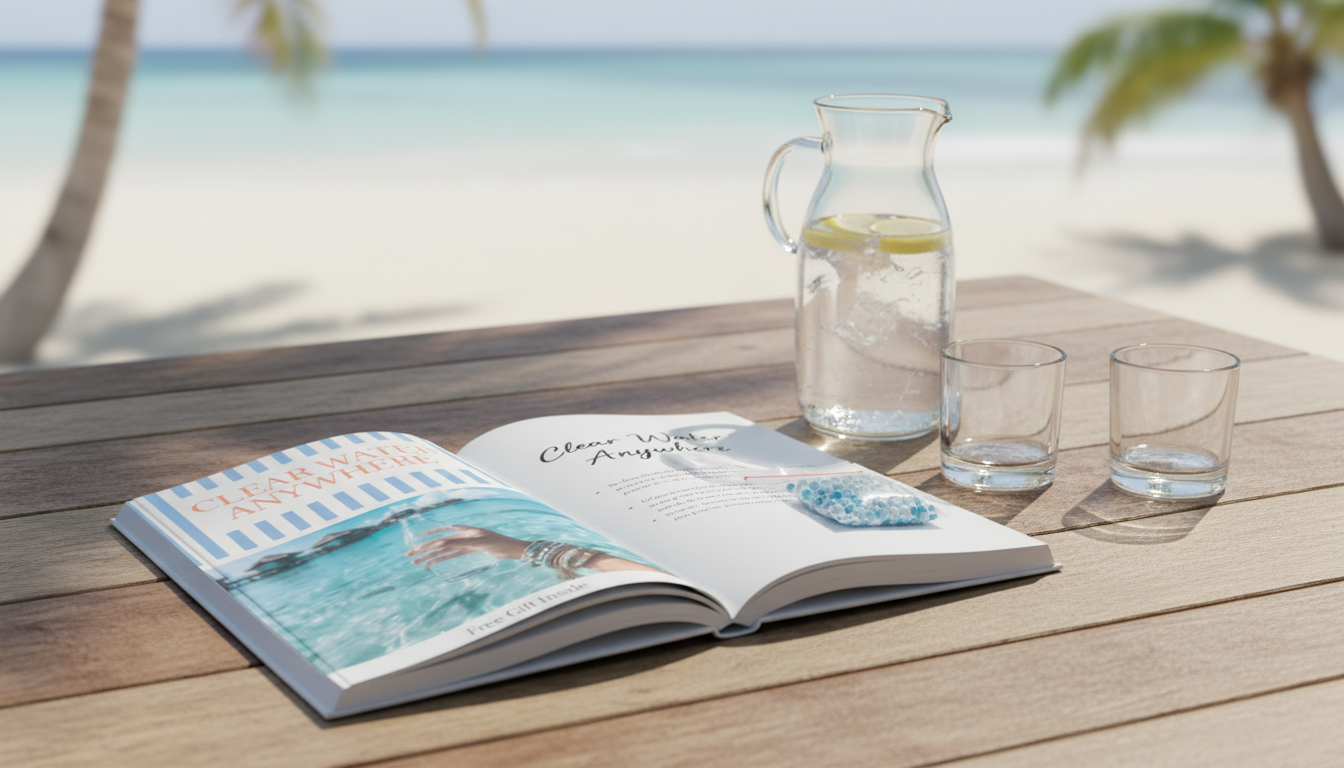
Safe drinking water can be easy in one place and risky in the next—sometimes within the same city. The goal while traveling is simple: reduce guesswork. With a fast “reality check,” a few reliable treatment options, and clean storage habits, it’s possible to stay hydrated across countries, climates, and transit days without turning every refill into a science project.
Start with the local reality check
Before the plane lands, look up destination-specific guidance on tap water safety, common contaminants, and any recent outbreak notices. Official public health guidance and reputable travel health resources are a better starting point than rumors in comment sections. For a solid baseline on safe travel water choices, review the CDC’s recommendations on water treatment options when hiking, camping, or traveling.
Next, separate “looks clean” from “is safe.” Clear water can still contain microbes (bacteria, viruses, protozoa) and dissolved contaminants you can’t see or smell. Think in three risk buckets:
- Microbes: the most common cause of traveler’s stomach issues.
- Chemicals: heavy metals, pesticides, industrial pollutants (risk varies by region and source).
- Salinity: brackish water and some wells can be too salty to safely drink.
If you’re uncertain—especially during your first days in a new country—default to sealed sources or treated water. A cautious start often prevents a trip-defining illness.
Spot safer sources fast (urban, rural, and in transit)
Different environments call for different “quick reads.” Use the source type plus a few visible signals to decide whether to drink, treat, or walk away.
- Urban: sealed bottled water from reputable retailers; municipal water in places with consistent monitoring; refill stations that clearly post filtration steps and maintenance.
- Rural: protected wells or boreholes; community taps with steady local use; springs that are captured and piped (not open seepage running over soil).
- Transit days: airports and major train/bus stations may have refill points—verify labeling and consider a backup treatment method if anything feels unclear.
- Avoid: open containers, roadside jugs with unknown refill history, water near livestock, water downstream of settlements, and any source with algae blooms or chemical odors.
Quick field checklist: source quality signals
| Source | Better signs | Red flags |
|---|---|---|
| Tap water | Clear, odorless; locals drink it; recent official guidance supports safety | Frequent stomach illness reports; boil notices; rusty pipes; intermittent supply |
| Bottled water | Intact seal; known brand; purchased from a high-turnover store | Broken seal; dusty stock; suspiciously low price; refilled bottles |
| Refill station | Posted filtration method; maintenance schedule; busy location | No labeling; dirty spouts; stagnant drip trays; unclear filter changes |
| Natural water (river/lake) | Upstream of people/animals; fast-flowing; cold clear source | Near farms/latrines; stagnant; visible scum; strong smell |
Choose the right treatment method for the situation
The “best” method depends on what you’re trying to remove and what you can realistically do on the move. When the risk is higher or unclear, layered treatment adds a safety margin.
Treatment methods at a glance
| Method | Best for | Limitations |
|---|---|---|
| Boiling | Microbes (bacteria/viruses/protozoa) | Needs fuel/time; doesn’t remove chemicals |
| Microfilter | Protozoa and many bacteria | May not address viruses; can clog in silty water |
| Chlorine/iodine | Many microbes; good backup | Taste; contact time; reduced performance in cold/turbid water |
| UV | Fast disinfection in clear water | Needs power; water must be clear |
- Boiling: Bring water to a rolling boil, then cool it in a clean, covered container. This is one of the most dependable methods for microbes.
- Filters: Use a filter rated for what you need (many are great for protozoa and bacteria). If viruses are a concern, pair filtration with a disinfectant step.
- Chemical disinfectants: Chlorine or iodine can be lightweight and packable, but dosing and contact time matter—especially in cold or cloudy water.
- UV treatment: Quick when water is clear and the device is charged. Pre-filter cloudy water first for better results.
Water storage that prevents recontamination
Country-to-country differences that matter
For a broader view of global drinking-water challenges and why “improved source” doesn’t always mean “safe,” see the World Health Organization drinking-water fact sheet.
Common travel scenarios and what to do
A compact water-safety routine for every travel day
Practical reference guide and travel-ready gear
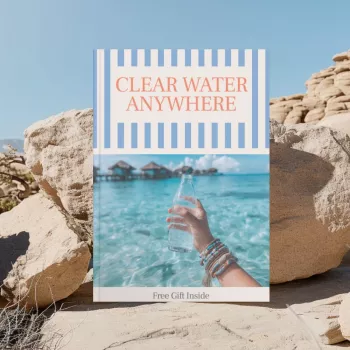
If you prefer a structured decision path you can reuse trip after trip, Clear Water Anywhere: The Ultimate Guide on How to Find Safe Drinking Water in Any Country for Travelers, Backpackers, and Adventurers lays out a simple field approach—when to drink, when to treat, and when to avoid—plus packing checklists for different climates and travel styles.
For bike touring and city-to-trail itineraries, protecting your setup can also help you keep access to your water system and supplies. Consider adding a robust lock like the Heavy-Duty 4-Digit Chain Lock for Bikes, E-Bikes & Motorcycles, and a dependable inflator such as the High-Pressure Portable Bike Floor Pump 160 PSI with Dual-Valve Head for longer days where detours (and unexpected extra water needs) happen.
FAQ
Is boiling water always enough to make it safe to drink?
Boiling is highly effective against microbes (bacteria, viruses, and protozoa), but it doesn’t remove chemicals, heavy metals, or salt. If chemical contamination or salinity is likely, choose a different source (like sealed water) rather than relying on boiling.
How can bottled water be unsafe, and how can it be checked quickly?
Bottled water can be compromised by broken seals, refilling scams, poor storage, or counterfeit labeling. Do quick checks: confirm the cap ring is intact, avoid already-open bottles, and buy from busy shops with high turnover instead of dusty, slow-moving stock.
What is the safest option when the only available water is cloudy or silty?
Let sediment settle, decant the clearer portion, and pre-filter before disinfecting. UV works best in clear water, so cloudy sources should be clarified first, and combining methods (pre-filter + disinfect or filter + chemical) is the safest approach when risk is unknown.












Leave a comment