-
Shop
- Advanced Technologies
- AI Career Advantage Collection
- AI Skills Mastery 2026 Collection
- Arts, Crafts & Hobbies
- Bathroom
- Best-Sellers
- Car Accessories
- Dating & Social Skills
- Denim
- 7FOR
- AGOLDE
- Antony Morato
- Armani Exchange
- Boss
- Brunello Cucinelli
- Calvin Klein Jeans
- Costume National
- Desigual
- Diesel
- Dolce & Gabbana
- Dsquared²
- Ermanno Scervino
- Fendi
- Gianni Lupo
- Guess Jeans
- Ichi
- Just Cavalli
- Lee
- Levi's
- Liu Jo
- Morgan De Toi
- Mother Denim
- Only
- Pepe Jeans
- Pinko
- Replay
- Valentino
- Vero Moda
- Digital Resources
- Education & Learning
- Family & Parenting
- Fashion
- Furniture
- Gadgets
- Health & Beauty
- Health & Wellness
- Home & Garden
- Kids & Babies
- Kitchen
- Lighting
- Patio, Lawn & Garden
- Personal Growth
- Pet Care
- Pet Supplies
- Pets
- Sport & Outdoors
- TikTok Growth & Monetization Mastery
- Travel
- Wealth
- Popular
- Best deals
Easy Ways to Cut Household Trash: A 7-Day Reset
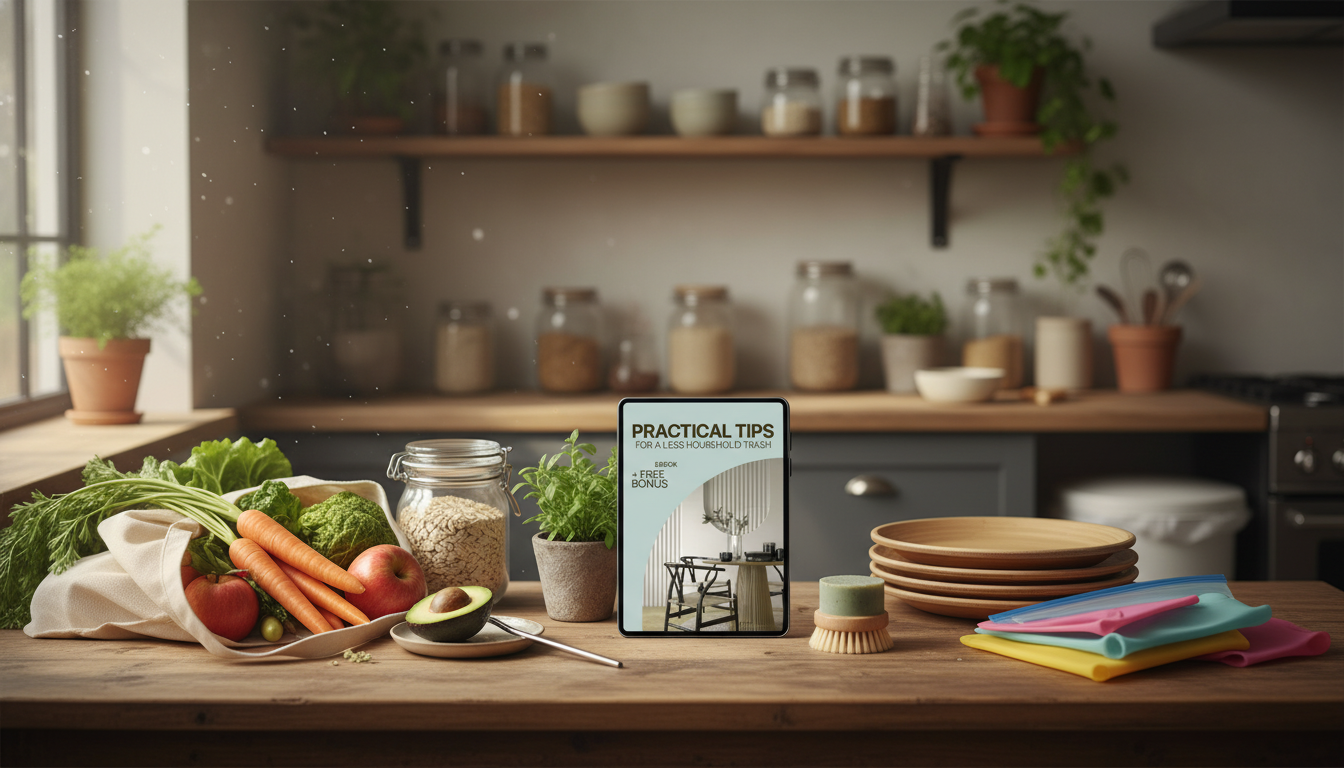
Practical Tips for a Less Household Trash: Simple Habits That Stick
Cutting household trash doesn’t require perfection or expensive swaps—just a clear view of what gets tossed most often and a few repeatable routines. The goal is to make low-waste choices the default in daily life: smarter shopping, better storage, simple kitchen systems, and small home habits that prevent waste before it starts.
Start with a quick home trash audit (10 minutes, no guilt)
A short audit helps you focus on the handful of items driving most of the mess—without turning your week into a project.
- Sort the last bag (or just the top layer) into quick piles: food scraps, packaging, paper, plastics, glass/metal, and “misc.”
- Circle the top 3 repeat offenders (often: snack wrappers, takeout containers, paper towels, food waste, shipping materials).
- Match each offender to one prevention step: buy differently, store differently, cook differently, or reuse differently.
- Set one weekly goal tied to a routine (example: “No food waste from wilted greens” rather than “make less trash”).
Common household trash and the fastest prevention swap
| What’s showing up | Likely cause | One practical change | What to do this week |
|---|---|---|---|
| Food scraps | Buying more than gets used; poor storage | Plan 3 flexible meals + freeze leftovers in flat portions | Freeze half of bread/tortillas; make a “use-first” bin |
| Snack wrappers | Single-serve convenience | Buy larger packs + portion into containers | Create a grab-and-go snack box in the pantry |
| Paper towels | Cleanup defaults | Switch to cloth rags + one designated “mess towel” | Put a rag basket under the sink; wash weekly |
| Plastic produce bags | Automatic at the store | Reusable produce bags or skip bags for sturdy items | Keep bags in the car or inside a shopping tote |
| Shipping boxes + mailers | Frequent small deliveries | Consolidate orders; choose slower shipping; local pickup | Set one “order day” per week to bundle purchases |
| Takeout containers | Unplanned meals | Keep a backup meal plan + pantry staples | Stock 2 quick meals (pasta + sauce; rice + beans) |
Kitchen habits that reduce the most trash
The kitchen typically creates the highest-volume waste, so even small changes pay off fast.
- Create a “use-first” zone: one fridge bin for foods that must be eaten soon (berries, greens, open sauces).
- Cook once, eat twice: double recipes that freeze well (soups, chili, cooked grains) to prevent last-minute takeout waste.
- Compost where possible: countertop caddy + freezer method (store scraps in a container in the freezer to avoid odors).
- Choose lower-waste staples: loose produce, bulk grains/beans when available, refillable or larger-format items used often.
- Replace common disposables: swap paper napkins for cloth; keep a water bottle and travel mug by the door.
If you want a simple reference point for what can go where, the U.S. EPA’s Reduce, Reuse, Recycle guidance is a reliable place to start (and it’s helpful for explaining changes to the whole household).
Smarter shopping: prevent packaging before it enters the home
Trash prevention often happens at the store (or at checkout online), not after the item is already in the trash can.
- Shop with a short list plus a “flex slot” to avoid impulse items that expire (one treat, one seasonal item, not five).
- Pick products with the best packaging-to-product ratio (larger sizes for items used consistently; avoid frequent tiny bottles).
- Choose durable over disposable: razors with replaceable blades, refillable soap where realistic, and repairable goods.
- Use a simple decision rule: if an item creates trash immediately, look for a version that lasts at least a month.
- Bring a “baseline kit”: tote bag, produce bags, and a small container for deli items when stores allow it.
For big-picture context on why source reduction matters, UNEP’s waste and resource efficiency overview breaks down how prevention and smarter materials choices reduce pressure on landfills and collection systems.
Bathroom and laundry: low-waste routines with minimal disruption
These rooms are full of “auto-repeat” purchases. The easiest wins usually come from buying less often and washing smarter.
Smart home habits that make less-trash living easier
A simple 7-day reset plan (small steps, noticeable results)
For meal and food storage strategies specifically, WRAP’s food waste resources are a practical companion to the “use-first” system and flexible meal planning approach: WRAP food waste reduction guidance.
A guided approach for building a less-trash household
Recommended in-stock guides
- Practical Tips for a Less Household Trash – Actionable Ebook Guide with less trash household tips for Sustainable Living & Smart Home Habits (digital guide to routines, prompts, and home systems you can repeat weekly)
- Ready for Winter Ready for Anything – Winter Sport Gear Basics eBook, Complete Cold Weather Gear Guide, Layering & Equipment Checklist for Winter Sports (a helpful planning-style checklist if you like organizing purchases to avoid last-minute, high-waste shopping)
FAQ
What are the easiest changes that cut the most household trash?
Start where volume is highest: prevent food waste with a “use-first” fridge bin, reduce single-serve snacks, switch paper towels to washable rags, and bundle deliveries into fewer shipments. These changes target everyday items that pile up quickly.
How can a family reduce trash without spending a lot on new products?
Use systems before buying replacements: plan flexible meals, keep a “finish first” pantry shelf, repurpose containers you already have, and set up donation/repair routines. When you do buy, choose larger or refill sizes for items you use constantly.
Is composting required to live with less household trash?
No—reducing food waste comes first, and it’s often the biggest win. Composting helps with unavoidable scraps, and options include municipal pickup, drop-off sites, or freezing scraps until disposal to avoid odor.














Leave a comment