-
Shop
- Advanced Technologies
- AI Career Advantage Collection
- AI Skills Mastery 2026 Collection
- Arts, Crafts & Hobbies
- Bathroom
- Best-Sellers
- Car Accessories
- Dating & Social Skills
- Denim
- 7FOR
- AGOLDE
- Antony Morato
- Armani Exchange
- Boss
- Brunello Cucinelli
- Calvin Klein Jeans
- Costume National
- Desigual
- Diesel
- Dolce & Gabbana
- Dsquared²
- Ermanno Scervino
- Fendi
- Gianni Lupo
- Guess Jeans
- Ichi
- Just Cavalli
- Lee
- Levi's
- Liu Jo
- Morgan De Toi
- Mother Denim
- Only
- Pepe Jeans
- Pinko
- Replay
- Valentino
- Vero Moda
- Digital Resources
- Education & Learning
- Family & Parenting
- Fashion
- Furniture
- Gadgets
- Health & Beauty
- Health & Wellness
- Home & Garden
- Kids & Babies
- Kitchen
- Lighting
- Patio, Lawn & Garden
- Personal Growth
- Pet Care
- Pet Supplies
- Pets
- Sport & Outdoors
- TikTok Growth & Monetization Mastery
- Travel
- Wealth
- Popular
- Best deals
EMS Body Shaping Machine Guide: Safe Home Toning
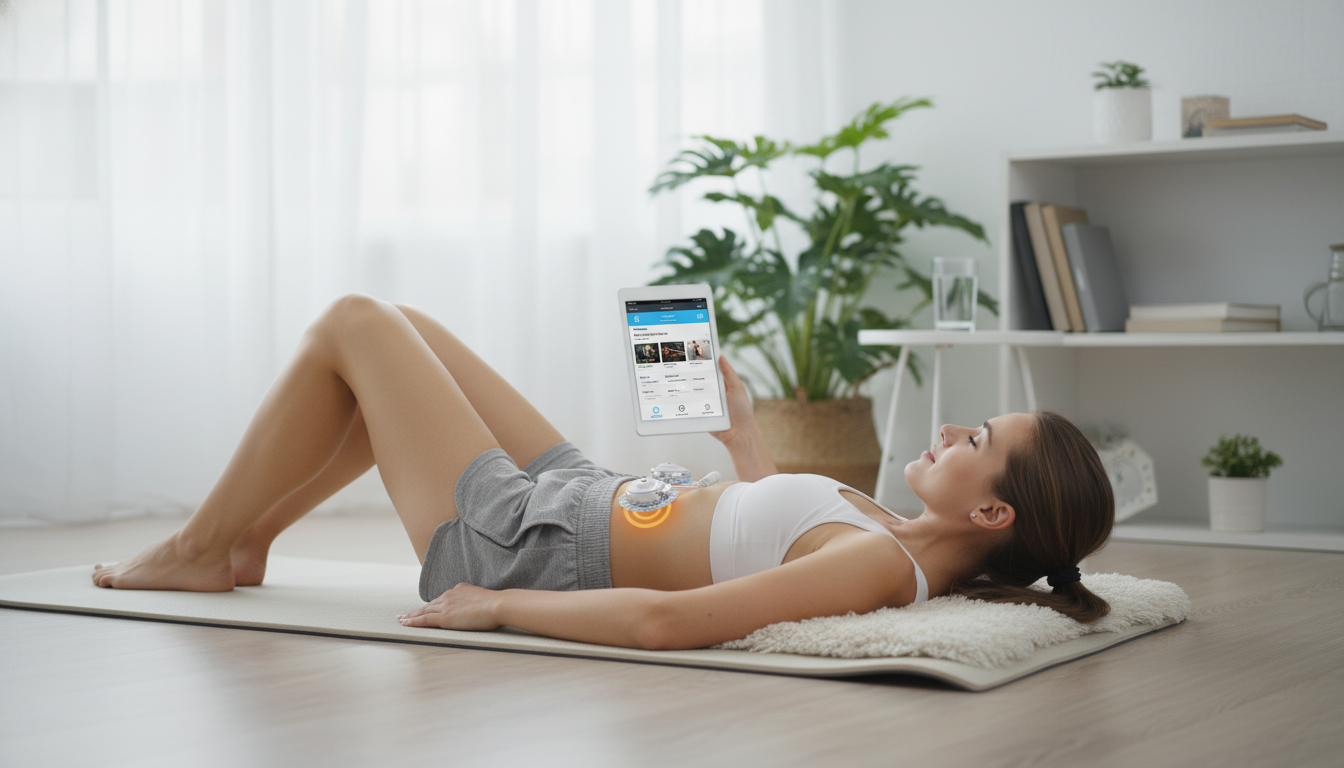
EMS Slimming & Body Shaping Machine: Home Toning, Massage, and Daily Routine Guide
An EMS body shaping device can support muscle activation and a firmer-looking feel when paired with consistent movement, hydration, and balanced nutrition. Used the right way, it’s a simple at-home tool for targeted contractions, light “tightening” sessions, and post-workout relaxation. Below is a practical guide to how EMS works, what results are realistic, how to use a compact home unit safely, and how to build an easy routine for common target areas like abs, arms, thighs, and glutes.
What an EMS body shaping machine does
EMS (electrical muscle stimulation) devices deliver gentle electrical signals through pads/electrodes placed on the skin. Those signals prompt your muscles to contract—similar to what happens during voluntary exercise, just triggered externally. Many people use EMS as a complement to training, especially on days when they want light activation, a “wake-up” for certain muscles, or a recovery-focused session.
Common goals include improved muscle engagement, a temporary tightening sensation, and relaxation/massage for areas that feel overworked. Best outcomes typically come from combining EMS with strength training, walking or other cardio, consistent sleep, hydration, and adequate protein. It’s not a replacement for fat loss fundamentals; “slimming” results vary and are usually indirect, often tied to better routine adherence, improved muscle tone, and posture support.
For more background on what EMS is and how it’s used, see Cleveland Clinic: Electrical Muscle Stimulation (EMS) and general safety information via MedlinePlus.
Realistic results and timeline
EMS can feel “effective” quickly because contractions are noticeable, but visible changes still follow the same rules as fitness: consistency, recovery, and nutrition.
- Short term (same day): a mild tight or “pumped” feeling similar to a light workout; some users feel relaxation in overworked muscles.
- 2–4 weeks: better mind–muscle connection and more reliable activation of the targeted area when used alongside workouts.
- 6–8 weeks: more noticeable changes in firmness/definition are more likely when strength training and nutrition are consistent.
- Body composition: meaningful fat loss depends on calorie balance and activity; EMS alone is unlikely to substantially reduce body fat.
Instead of relying on scale weight, track progress with waist/hip/arm measurements, monthly photos (same lighting), and strength markers such as improved squat depth, steadier planks, or higher-rep sets.
How to use an EMS slimming & shaping device safely
Safety and comfort matter more than intensity. A good EMS session looks like controlled contractions—strong enough to feel clearly, but not painful.
- Start low: choose the lowest intensity that produces a clear but comfortable contraction; increase gradually over sessions.
- Session length: begin with 10–15 minutes per area, then adjust based on comfort and recovery.
- Placement basics: position pads over the muscle belly (not joints) and keep placement symmetrical left/right when possible.
- Skin prep: apply pads to clean, dry skin; avoid lotions or oils beforehand to reduce irritation and improve adhesion.
- Avoid sensitive zones: do not place across the front of the neck, the chest/heart region, or the head; avoid broken skin and areas of numbness.
- Medical cautions: consult a clinician before use with pacemakers/implanted devices, pregnancy, epilepsy, significant heart conditions, or recent surgery. Stop if pain, dizziness, or unusual symptoms occur.
Quick safety checklist
| Do | Avoid |
|---|---|
| Use on clean, dry skin and increase intensity gradually | Using on broken/irritated skin or over joints |
| Keep sessions moderate and allow recovery if muscles feel sore | Placing pads across the chest/heart or front of the neck |
| Follow device instructions and stop if discomfort escalates | Using while sleeping or when unable to monitor sensations |
Simple weekly routine for abs, glutes, thighs, and arms
The easiest routine is the one that fits real life. Keep sessions short, repeatable, and tied to a consistent habit—after a shower or right before bed.
How to position pads for common target areas
Who this device is best for (and who should skip it)
Product spotlight: EMS Slimming & Body Shaping Machine
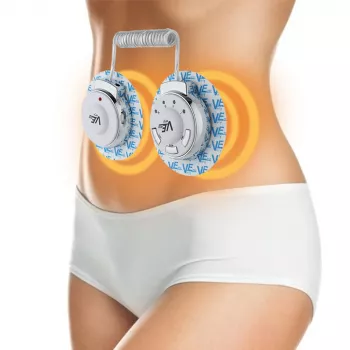
If you want a straightforward, budget-friendly option for at-home sessions, the EMS Slimming & Body Shaping Machine is designed for short, repeatable routines across multiple areas (abs, arms, legs, glutes) with adjustable intensity. The most satisfying use is consistency: 3–5 sessions per week alongside daily walking and basic strength training.
At-a-glance
| Detail | Value |
|---|---|
| Product | EMS Slimming & Body Shaping Machine |
| Price | 14.01 USD |
| Availability | In stock |
| Best for | Home toning routine and muscle activation support |
Care, maintenance, and troubleshooting
Small add-ons that make the routine easier
A consistent routine is easier when recovery and comfort are built in. For winding down after a session (or keeping a nightly habit enjoyable), a cozy comfort item can help some people stick with the schedule—like the Cozy Cuddly Cowboy Bear Plush Toy – Soft Hugging Companion. If your routine includes outdoor walks in colder months, the Ready for Winter Ready for Anything – Winter Sport Gear Basics eBook can help you keep movement consistent when weather changes.
FAQ
Does an EMS slimming machine actually burn fat?
EMS primarily stimulates muscle contractions; meaningful fat loss still depends on calorie balance, daily activity, and nutrition. EMS can support training consistency and muscle tone, which may improve how an area looks over time.
How often can an EMS body shaping device be used?
A practical starting range is 3–5 times per week per area, beginning with shorter, lower-intensity sessions and increasing gradually. If a muscle feels sore or sensitive, give it more recovery time before the next higher-intensity session.
Where should EMS pads not be placed?
Do not place pads across the chest/heart, on the front of the neck/throat, or on the head/face. Avoid broken or irritated skin, numb areas, and placement directly over joints or the spine; follow the device instructions and seek medical guidance when needed.
Recommended for you

Stop Car Rust: Remove, Repair, and Protect for Years
May 31, 2026











Leave a comment