-
Shop
- Advanced Technologies
- AI Career Advantage Collection
- AI Skills Mastery 2026 Collection
- Arts, Crafts & Hobbies
- Bathroom
- Best-Sellers
- Car Accessories
- Dating & Social Skills
- Denim
- 7FOR
- AGOLDE
- Antony Morato
- Armani Exchange
- Boss
- Brunello Cucinelli
- Calvin Klein Jeans
- Costume National
- Desigual
- Diesel
- Dolce & Gabbana
- Dsquared²
- Ermanno Scervino
- Fendi
- Gianni Lupo
- Guess Jeans
- Ichi
- Just Cavalli
- Lee
- Levi's
- Liu Jo
- Morgan De Toi
- Mother Denim
- Only
- Pepe Jeans
- Pinko
- Replay
- Valentino
- Vero Moda
- Digital Resources
- Education & Learning
- Family & Parenting
- Fashion
- Furniture
- Gadgets
- Health & Beauty
- Health & Wellness
- Home & Garden
- Kids & Babies
- Kitchen
- Lighting
- Patio, Lawn & Garden
- Personal Growth
- Pet Care
- Pet Supplies
- Pets
- Sport & Outdoors
- TikTok Growth & Monetization Mastery
- Travel
- Wealth
- Popular
- Best deals
Glass-Door Buffet Sideboard: Style, Storage, Serving
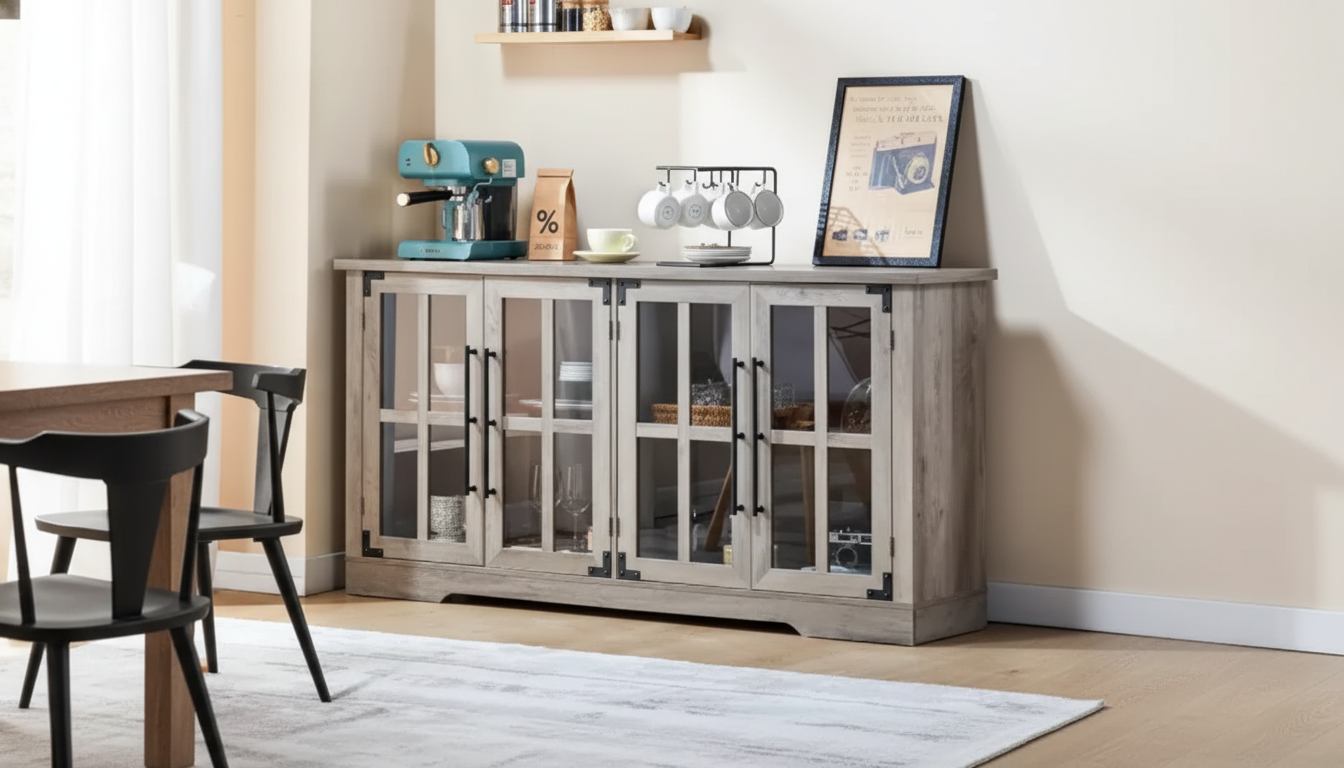
Buffet Sideboard Cabinet with Glass Doors: Storage, Display, and Dining-Room Style in One Piece
A buffet sideboard cabinet with glass doors combines concealed storage with an easy-to-style display area for dinnerware, barware, and serving pieces. It can anchor a dining room, add organization to an open-concept space, or serve as a compact home bar—while keeping essentials visible but protected from dust.
What a Glass-Door Sideboard Does Best
When a dining room (or multipurpose space) needs structure, a glass-door sideboard creates a clear “home base” for hosting and daily routines. It’s the spot where you set down a platter, arrange a drink station, or stash the extras that usually end up scattered across countertops.
- Creates a dedicated serving zone for meals, parties, and everyday routines
- Balances “show” and “stow” with glass-front display plus enclosed cabinets or drawers
- Adds visual lightness compared with solid-front storage, especially in smaller rooms
- Works beyond dining rooms: entryway drop zone, living-room media storage, or office credenza
If you want one piece that reads as “designed” but still works hard, start with a Buffet Sideboard Cabinet with Glass Doors and build your room layout around it—table centered in front, clear traffic paths, and a simple styling plan.
Design Details That Change the Look (and Function)
Two sideboards can share the same footprint and still feel completely different once you zoom in on the details. The good news: most of the features that affect style also affect day-to-day usability.
- Glass type: clear for a crisp display, reeded/fluted for softer visibility, or frosted for more privacy
- Frame style: slim frames feel modern; wider frames and mullions read more traditional
- Hardware: knobs and pulls can shift the vibe quickly (warm brass, matte black, brushed nickel)
- Interior shelving: adjustable shelves make it easier to fit tall bottles, platters, or small appliances
- Door closure: soft-close hinges reduce noise and help protect glass over time
For households that use the sideboard daily, prioritize hinge quality and shelf flexibility. For rooms where it’s more of a display piece, glass choice and frame proportions often make the biggest visual impact.
Sizing and Placement for Real Rooms
Placement makes a sideboard feel intentional—rather than like it’s floating along a wall. Before buying, measure the wall, map out door swings, and consider how people actually move through the room during meals.
- Measure wall length and keep enough clearance for door swing and walking paths
- Consider height: a surface around countertop height feels natural for serving and drink setup
- Mind outlet access if it will store a coffee station, wine fridge, or small appliances
- For open spaces, align the sideboard with a rug edge or dining table centerline to avoid a “floating” look
- If placing near a heat source or direct sunlight, plan for glass glare and finish fading protection
One practical tip: if you’ll plug in appliances inside or on top, plan cord routing so doors and drawers never pinch a cable. A small grommet or discreet cable channel can keep the setup tidy.
Organizing a Glass-Door Sideboard: Display Without Clutter
Glass doors are most beautiful when they look curated, not crammed. Think of the shelves as a mini storefront: repeat shapes, leave negative space, and keep everyday items easy to grab.
- Group items by purpose: everyday plates, entertaining pieces, glassware, and linens
- Use the “two-thirds rule” on shelves—leave breathing room for a curated display
- Add shelf liners or felt pads for delicate glassware and to reduce sliding noise
- Use trays or bins behind solid doors to corral candles, serving utensils, and bar tools
- If you prefer a cleaner look, place matching baskets behind the glass to hide small items while keeping symmetry
Quick organization guide
| Area | Best for | Helpful add-ons |
|---|---|---|
| Top surface | Serving platters, coffee setup, bar station | Decor tray, coaster set, spill-proof mat |
| Behind glass doors | Glassware, mugs, display plates, bottles | Shelf risers, LED puck lights (optional) |
| Behind solid doors/drawers | Linens, utensils, candles, backups | Bins, drawer dividers, label tabs |
Styling Ideas That Match Different Interiors
Care, Cleaning, and Everyday Durability
For households sensitive to odors or off-gassing from cleaners, it helps to choose milder products and keep rooms ventilated; the EPA’s guidance on indoor air quality is a useful reference.
Safety and Setup Tips for Peace of Mind
For a deeper look at anchoring best practices, review the CPSC’s tip-over prevention program: Anchor It!. And if sustainably sourced wood matters in your home, learn how FSC certification works when comparing furniture materials.
Shop Featured Picks
- Buffet Sideboard Cabinet with Glass Doors — a practical mix of display and hidden storage for dining rooms, open layouts, and home bar setups.
- Cozy Cuddly Cowboy Bear Plush Toy – Soft Hugging Companion — a warm finishing touch for a reading nook near the dining area, or a simple housewarming gift.
FAQ
Should glass-door cabinets show everything inside?
No—glass looks best with a curated approach. Repeat a few colors, leave some open space on each shelf, and use matching containers or baskets for small items; if you prefer more concealment, consider reeded or frosted glass.
How do glass doors hold up in a busy home?
They hold up well when the cabinet uses quality hinges and sturdy frames, and especially when the glass is tempered. Soft-close hardware, gentle closing habits, and keeping heavier items on lower shelves all reduce long-term wear.
Where should a sideboard go in a dining room?
Place it on the longest uninterrupted wall when possible, with enough clearance for chair traffic and door swing. Visually, it tends to look best aligned with the dining table and positioned along the path from the kitchen so it can function as a serving line.
Recommended for you


Fila Urban Green Lace-Up Boots: Fit, Style & Care
May 19, 2026









Leave a comment