-
Shop
- Advanced Technologies
- AI Career Advantage Collection
- AI Skills Mastery 2026 Collection
- Arts, Crafts & Hobbies
- Bathroom
- Best-Sellers
- Car Accessories
- Dating & Social Skills
- Denim
- 7FOR
- AGOLDE
- Antony Morato
- Armani Exchange
- Boss
- Brunello Cucinelli
- Calvin Klein Jeans
- Costume National
- Desigual
- Diesel
- Dolce & Gabbana
- Dsquared²
- Ermanno Scervino
- Fendi
- Gianni Lupo
- Guess Jeans
- Ichi
- Just Cavalli
- Lee
- Levi's
- Liu Jo
- Morgan De Toi
- Mother Denim
- Only
- Pepe Jeans
- Pinko
- Replay
- Valentino
- Vero Moda
- Digital Resources
- Education & Learning
- Family & Parenting
- Fashion
- Furniture
- Gadgets
- Health & Beauty
- Health & Wellness
- Home & Garden
- Kids & Babies
- Kitchen
- Lighting
- Patio, Lawn & Garden
- Personal Growth
- Pet Care
- Pet Supplies
- Pets
- Sport & Outdoors
- TikTok Growth & Monetization Mastery
- Travel
- Wealth
- Popular
- Best deals
Modern Nordic Geometric Tea Table: Small-Space Guide
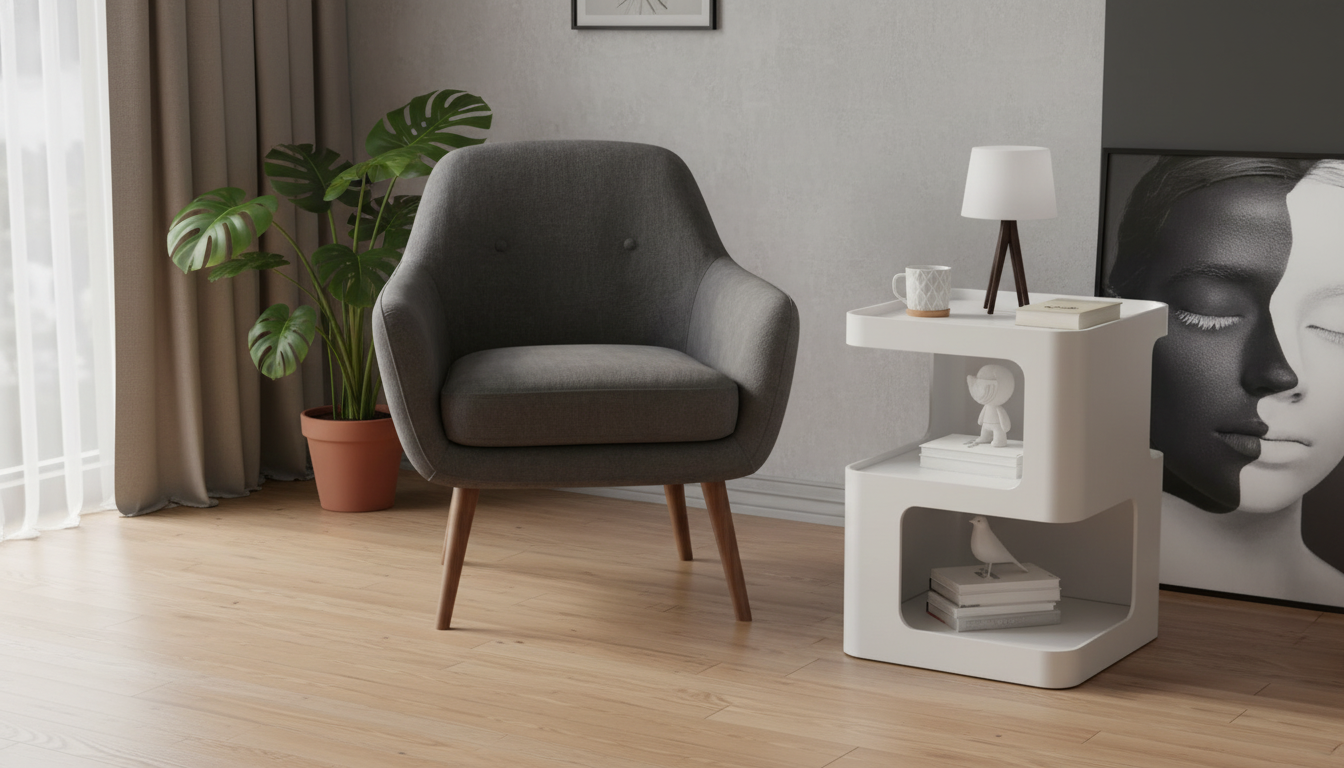
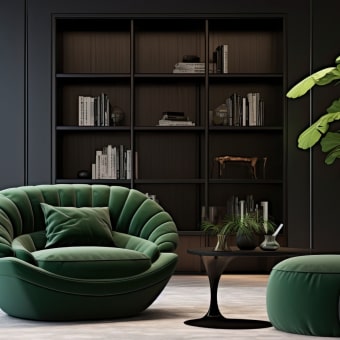
Modern Nordic Geometric Design Tea Table for Small, Stylish Living Spaces
A geometric tea table can anchor a room without adding visual clutter—especially in Nordic-inspired interiors where clean lines and calm materials matter. The right piece brings structure, an easy landing spot for a cup or book, and a sculptural note that still feels relaxed and livable. Below is a practical guide to choosing a modern geometric tea table, placing it in a tight layout, styling it with restraint, and keeping it looking sharp through everyday use. For more guidance, see Art Deco Fabric Designs – Streamline History & Design – Maximalist.
What makes a Nordic geometric tea table feel “modern”
Modern Nordic style tends to feel quiet, intentional, and proportion-led—so the “design” shows up in shape and finish rather than ornate detail. A geometric tea table fits naturally when its structure does the talking. For further reading, see The Bauhaus: Marianne Brandt – Smarthistory.
- Simple silhouettes: Clean outlines that rely on proportion, negative space, and balance rather than decoration.
- Geometry as the feature: A faceted base, angular legs, or sculptural support becomes the focal point—especially effective in uncluttered rooms.
- Calming finishes: Neutrals and matte-to-satin surfaces pair easily with wood, wool, linen, and understated metals.
- Compact footprint: Enough surface for tea, a small tray, or a few objects—without visually dominating the seating zone.
For background on how Scandinavian and Nordic design evolved into today’s clean-lined interiors, see this overview of Scandinavian design.
Where a small tea table works best
In smaller living spaces, a tea table often solves multiple layout problems at once: it adds function, clarifies a seating area, and offers a finishing touch that doesn’t crowd the room.
- Next to a lounge chair: Acts like a minimal side table for a cup, phone, and a small reading lamp.
- In front of a compact sofa: Useful when a full-size coffee table would block circulation.
- Bedroom corner or entry nook: A flexible accent table that can hold a book stack, a catchall tray, or a candle.
- Open-plan rooms: Creates a clear “pause point” between seating and dining zones without adding a bulky visual barrier.
If you’re comparing tea-table sizing to traditional coffee-table norms, this general reference on a coffee (cocktail) table can help contextualize typical uses and proportions.
Proportions to get right before buying
Geometric tables can read “bold” even when they’re small, so proportion is the difference between sculptural and awkward. A quick check with painter’s tape on the floor (and a stack of books to mimic height) can prevent most sizing regrets.
- Height: Aim for a tabletop close to seat cushion height so reaching for a cup feels natural.
- Surface area: Plan for a tray plus one or two daily items (tea, remote, book) without forcing everything to the edges.
- Base shape: Make sure legs or a pedestal won’t interfere with feet when seated—especially in tight corners.
- Visual weight: Angular bases read bolder; soften the overall look with nearby textiles (a rug, throw, or textured upholstery).
Quick fit guide for compact living rooms
| Room situation | Recommended placement | What to prioritize | Common mistake to avoid |
|---|---|---|---|
| Small sofa + tight walkway | Slightly off-center in front of sofa | Slim profile and easy walk-around clearance | Choosing a table that forces angled walking paths |
| Reading chair corner | To the outside of chair arm | Stable base and reachable height | A wide base that bumps shins or blocks footrest |
| Layered seating (sofa + two chairs) | Between chair and sofa | A shape that looks good from multiple angles | A table that only looks “finished” from one side |
| Studio apartment | Near sofa edge for double duty | Light visual footprint and easy-to-clean top | Over-styling so the surface becomes unusable |
Materials and finishes that suit Nordic interiors
Nordic rooms tend to amplify light, so finishes matter as much as color. A glossy tabletop can feel busy in daylight, while a calm surface helps the geometry read as intentional rather than loud.
Styling ideas that highlight geometric design
Care and everyday durability tips
A refined option to consider
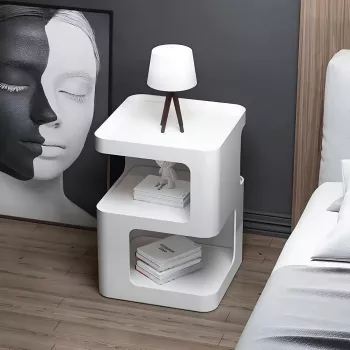
If you’re looking for a compact piece that reads sculptural without feeling busy, the Modern Nordic Geometric Design Small Tea Table offers a clean-lined, modern profile that suits minimalist seating areas. It works well as a primary tea/coffee surface in smaller rooms, or as an accent table in larger spaces where you want a crisp geometric note.
To keep the overall look inviting, pair crisp geometry with soft textures—bouclé, wool throws, and relaxed linen cushions. For a cozy touch that plays nicely with Nordic comfort, consider adding a tactile accent like the Cozy Cuddly Cowboy Bear Plush Toy – Soft Hugging Companion on a chair or bench, and keep practical comfort items nearby when the season turns (such as the Ready for Winter Ready for Anything – Winter Sport Gear Basics eBook for planning cold-weather essentials).
FAQ
What height should a tea table be next to a sofa or lounge chair?
Aim for a tabletop that’s close to the seat cushion height (or within a couple inches above/below) so your arm reaches naturally. A quick test is to stack books to the target height and practice setting down a mug to confirm it feels comfortable.
How do geometric tables fit into a calm Nordic-style room without feeling harsh?
Balance angles with softer elements: a textured rug, a wool throw, and warm lighting. Rounded accessories (like a round tray) and limiting other sharp patterns nearby also helps the geometry feel intentional rather than aggressive.
What’s the easiest way to protect the tabletop from tea and daily use?
Use coasters and a tray for everyday items, wipe up condensation quickly, and avoid abrasive cleaners that can haze the finish. Felt pads underneath help prevent tiny scratches and reduce noise when the table shifts.
Recommended for you


Bad Alternator vs Bad Battery: Test It in Minutes
May 16, 2026









Leave a comment