-
Shop
- Advanced Technologies
- AI Career Advantage Collection
- AI Skills Mastery 2026 Collection
- Arts, Crafts & Hobbies
- Bathroom
- Best-Sellers
- Car Accessories
- Dating & Social Skills
- Denim
- 7FOR
- AGOLDE
- Antony Morato
- Armani Exchange
- Boss
- Brunello Cucinelli
- Calvin Klein Jeans
- Costume National
- Desigual
- Diesel
- Dolce & Gabbana
- Dsquared²
- Ermanno Scervino
- Fendi
- Gianni Lupo
- Guess Jeans
- Ichi
- Just Cavalli
- Lee
- Levi's
- Liu Jo
- Morgan De Toi
- Mother Denim
- Only
- Pepe Jeans
- Pinko
- Replay
- Valentino
- Vero Moda
- Digital Resources
- Education & Learning
- Family & Parenting
- Fashion
- Furniture
- Gadgets
- Health & Beauty
- Health & Wellness
- Home & Garden
- Kids & Babies
- Kitchen
- Lighting
- Patio, Lawn & Garden
- Personal Growth
- Pet Care
- Pet Supplies
- Pets
- Sport & Outdoors
- TikTok Growth & Monetization Mastery
- Travel
- Wealth
- Popular
- Best deals
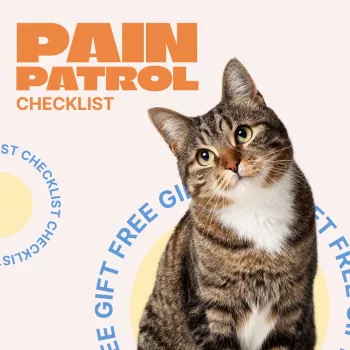
Pain Patrol: Printable Checklist for Senior Pet Pain Signs

Pain Patrol: A Simple Printable Checklist to Spot Pain Signs in Senior Dogs and Cats
Subtle changes in movement, habits, and mood can be early clues that an older dog or cat is hurting. A consistent checklist makes those small shifts easier to notice, track, and share with a veterinarian—especially when symptoms come and go. If you’ve ever wondered, “Is this just aging, or is something bothering them?” a simple daily log can turn vague impressions into clear, dated patterns.
Why pain is easy to miss in older pets
Senior pets are masters at adapting. Instead of obvious limping, many simply do less: fewer stairs, fewer zoomies, fewer jumps. That “slowing down” can look normal—until it’s not.
- Many pets hide discomfort, and signs often look like gradual lifestyle changes rather than dramatic symptoms.
- Pain can fluctuate based on time of day, activity, weather, and stress, so a single “good day” can mask an ongoing issue.
- Cats commonly show pain through behavior changes (hiding, irritability, litter box shifts) more than noticeable gait problems.
- Earlier detection supports earlier evaluation and more comfort options, which can be especially important for chronic conditions.
For practical owner guidance on health concerns and when to seek care, the American Veterinary Medical Association (AVMA) pet owner resources are a helpful starting point.
Common pain signs to watch for (dogs and cats)
Pain often shows up in clusters—mobility plus mood, grooming plus appetite, posture plus toileting. Not every sign means pain, but repeated patterns deserve attention.
- Movement: stiffness after rest, reluctance to jump or climb stairs, slower pace, limping, “bunny hopping,” difficulty standing.
- Posture: hunched back, tucked abdomen, head carried low, guarding a limb, shifting weight while standing.
- Grooming and coat: overgrooming one spot, reduced grooming (especially cats), dandruff or greasy coat from decreased mobility.
- Behavior: increased clinginess or withdrawal, growling or hissing when touched, less play, changes in sleep location.
- Appetite and drinking: reduced appetite, picky eating, dropping food, avoiding hard kibble, altered water intake.
- Elimination: litter box avoidance, accidents, straining, posture changes when toileting.
| What you notice | What to record in the checklist | Helpful context to add |
|---|---|---|
| Reluctant to jump onto bed/couch | Frequency (daily/weekly), which surfaces | Time of day; height of jump; any yelping or hesitation |
| Stiff when getting up | Duration (seconds/minutes) and severity | After naps vs. after exercise; weather changes |
| Litter box changes (cats) | Misses box, avoids entry, changes posture | Box height, location, type of litter, any constipation signs |
| Sensitivity to touch | Body area and reaction | Triggered by brushing, picking up, petting; intensity (mild to severe) |
| Less interest in walks/play | Activity level compared to baseline | Distance tolerated; recovery time afterward |
If you’re noticing “a little bit of everything,” structured tracking can help you see whether it’s occasional fatigue or a repeating pain pattern.
How to use a printable wellness tracker effectively
The goal isn’t perfect data—it’s clarity. A short, consistent routine makes it easier to spot trends and communicate them.
- Start with a baseline week: record “normal” on good days so later changes stand out.
- Keep notes short but consistent: check boxes plus 1–2 context details (time, trigger, location).
- Track patterns, not perfection: look at trends across 7–14 days rather than one off day.
- Use simple rating cues: mild/moderate/severe or better/same/worse helps summarize quickly.
- Bring it to appointments: dates + triggers (like brushing, stairs, cold mornings) help a veterinarian narrow possibilities and evaluate response to changes.
For a practical, ready-to-print option, Pain Patrol – Printable Checklist for Spotting Pain Signs in Older Pets | Senior Dog & Cat Wellness Tracker provides a simple daily structure for mobility, behavior, grooming, appetite, and elimination notes.
When to contact a veterinarian sooner rather than later
Some situations are urgent. If any of the following happen, contact a veterinarian or emergency clinic promptly:
Veterinary teams often rely on owner observations to guide next steps. The AAHA pain management guidelines highlight how important ongoing assessment is for comfort planning in both dogs and cats.
Comfort at home while monitoring (safe, supportive steps)
For cat-specific behavior and health context—especially when changes are subtle—the Cornell Feline Health Center offers reliable educational resources.
For extra comfort during quiet time (especially for pets that settle better with a soft companion nearby), some households also keep a gentle “cuddle buddy” in a resting area, like the Cozy Cuddly Cowboy Bear Plush Toy – Soft Hugging Companion.
Pain Patrol printable checklist: what it helps capture
If you want a quick, low-effort system that’s easy to bring to appointments, Pain Patrol – Printable Checklist for Spotting Pain Signs in Older Pets | Senior Dog & Cat Wellness Tracker is designed to make daily check-ins fast: checkboxes, brief notes, and clear trends over time.
FAQ
How often should pain signs be tracked for an older dog or cat?
Daily check-ins for 1–2 weeks help reveal patterns, then tracking a few times per week (or during flare-ups) is often enough. Recording time of day and triggers (like stairs, cold weather, or grooming) makes the notes more useful.
What are subtle signs of pain in senior cats?
Common subtle clues include grooming changes, hiding, irritability, reduced jumping, litter box avoidance, posture shifts, and decreased play. The key is noticing gradual changes from your cat’s normal routine rather than waiting for obvious limping.
Should human pain medication ever be used for pets?
No—unless a veterinarian explicitly instructs you to do so. Many human pain relievers can be toxic to dogs and cats, so it’s safest to contact a veterinarian for pet-appropriate options.
Recommended for you


Best Age for Hot Air Balloon Crafts (2–11+ Guide)
May 25, 2026












Leave a comment