-
Shop
- Advanced Technologies
- AI Career Advantage Collection
- AI Skills Mastery 2026 Collection
- Arts, Crafts & Hobbies
- Bathroom
- Best-Sellers
- Car Accessories
- Dating & Social Skills
- Denim
- 7FOR
- AGOLDE
- Antony Morato
- Armani Exchange
- Boss
- Brunello Cucinelli
- Calvin Klein Jeans
- Costume National
- Desigual
- Diesel
- Dolce & Gabbana
- Dsquared²
- Ermanno Scervino
- Fendi
- Gianni Lupo
- Guess Jeans
- Ichi
- Just Cavalli
- Lee
- Levi's
- Liu Jo
- Morgan De Toi
- Mother Denim
- Only
- Pepe Jeans
- Pinko
- Replay
- Valentino
- Vero Moda
- Digital Resources
- Education & Learning
- Family & Parenting
- Fashion
- Furniture
- Gadgets
- Health & Beauty
- Health & Wellness
- Home & Garden
- Kids & Babies
- Kitchen
- Lighting
- Patio, Lawn & Garden
- Personal Growth
- Pet Care
- Pet Supplies
- Pets
- Sport & Outdoors
- TikTok Growth & Monetization Mastery
- Travel
- Wealth
- Popular
- Best deals
Streak-Free Mirror Cleaning: Simple Steps That Shine
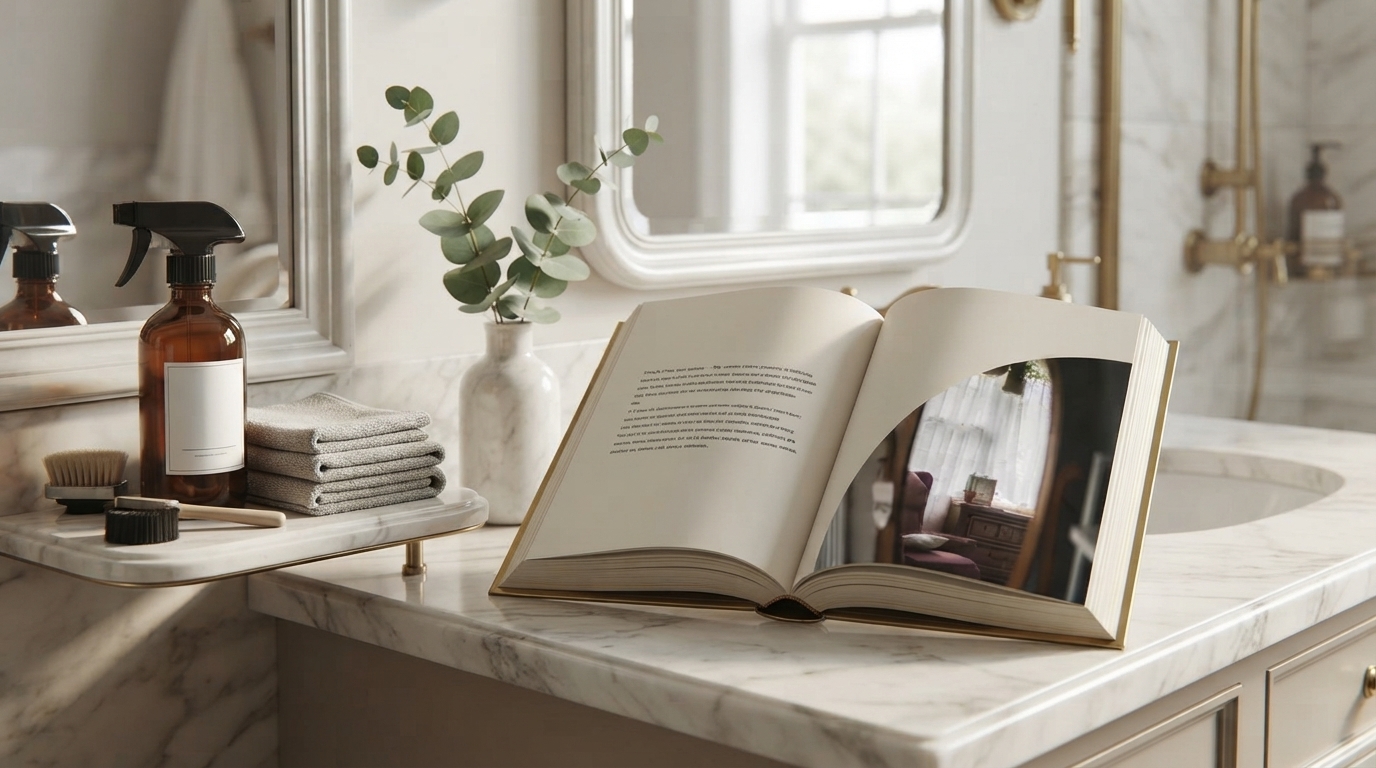
Reflect Perfect: Easy Mirror Cleaning Secrets for a Streak-Free, Smudge-Free Shine
Clear mirrors make bathrooms feel brighter and cleaner, but fog, toothpaste specks, hairspray, and residue from the wrong products can leave streaks that show up the moment the light hits. The steps below focus on simple tools, the right order of operations, and a few smart habits that keep mirrors looking crisp longer—without harsh scrubbing or constant re-cleaning.
Why mirrors streak (and why “more spray” makes it worse)
Most “streaks” aren’t dirt you can see—they’re thin films and uneven drying that only reveal themselves under strong bathroom lighting.
- Residue buildup: soaps, aerosols, and old cleaner films scatter light and read as haze.
- Dirty tools: a slightly oily cloth or overused paper towel can redeposit grime and lint.
- Too much liquid: oversaturation causes runs, edge seepage, and patchy dry-down.
- Hard water and minerals: dried droplets leave faint spotting that resembles streaks.
- Cleaning in direct light/heat: fast evaporation can “flash-dry” cleaner before it’s wiped evenly.
Fast setup: tools that make the biggest difference
You don’t need a complicated kit—just the right materials used in the right order.
- Two microfiber cloths: one for lifting grime, one dedicated to final buffing (kept dry).
- Spray bottle with a gentle cleaner (or distilled water mix): better control than soaking the glass.
- Soft detailing cloth or cotton swab: for corners and edges where residue collects.
- Optional squeegee: helpful on large mirrors to reduce wipe marks (finish with a dry microfiber buff).
- Avoid oily, heavily scented wipes: they can leave a film that attracts fresh smudges.
If you want a quick, repeatable routine to follow (especially in shared bathrooms), the Reflect Perfect: Easy Mirror Cleaning Secrets guide keeps the process simple and consistent.
The streak-free mirror method (quick routine)
This is the no-drip, no-drama approach that reduces re-wiping and prevents edge buildup.
- Step 1 — Dry dust first: wipe the mirror with a clean, dry microfiber to remove lint, hair, and powder so it doesn’t turn into slurry.
- Step 2 — Spray the cloth, not the mirror: apply 2–4 light sprays to the cleaning cloth to prevent drips behind the frame and along edges.
- Step 3 — Work top to bottom in an S-pattern: consistent passes reduce missed spots and avoid re-smearing.
- Step 4 — Flip cloth to a clean side: once the cloth face feels damp or dirty, switch to a fresh section.
- Step 5 — Final buff: use a separate dry microfiber to polish away faint haze until the glass “snaps” clear.
Tip: After the final buff, take one step to the side and look across the mirror at an angle. Side lighting reveals haze before it “sets” into that annoying, only-at-night streak pattern.
What to use (and what to avoid) for different mirror messes
Different messes respond better to different first moves. The goal is to use less liquid and more clean wiping surface.
- Everyday fingerprints and haze: a light, controlled spray and microfiber buff is usually enough.
- Toothpaste specks: soften with a slightly damp cloth first, then clean and buff dry.
- Hairspray/beauty product film: use a gentle degreasing approach (minimal product, more wiping), then finish with a dry polish.
- Hard-water spots near sinks: spot-treat with a targeted approach, then rinse-wipe with clean water and buff dry.
- Avoid: abrasive pads, harsh scraping, and excessive ammonia on specialty coatings; patch-test if unsure.
| Problem | Best first move | Finish |
|---|---|---|
| Fingerprints & smudges | Spray cleaner onto cloth; wipe in S-pattern | Dry microfiber buff |
| Toothpaste splatter | Dampen to lift; wipe clean | Buff until crystal clear |
| Hairspray/product film | Use minimal cleaner; more passes with clean cloth sections | Dry polish; check under side lighting |
| Water spots | Spot-treat, then wipe with clean water | Buff completely dry |
| Edge buildup | Detail corners with swab/cloth; avoid flooding edges | Buff edges last |
Bathroom smudge prevention habits that actually help
Once the mirror is truly clean, a few small habits reduce how often you need a full wipe-down.
- Run the exhaust fan: during and after showers to reduce condensation that traps residue.
- Keep a dry microfiber in a drawer: a 10–15 second touch-up prevents buildup.
- Wipe aerosols promptly: hairspray and dry shampoo settle as a film if left overnight.
- Clean mirrors after counters are wiped: airborne droplets from sink cleaning can re-spot glass.
- Reduce edge seepage: never soak the perimeter; moisture behind backing can cause long-term damage on some mirrors.
A clear mirror can also make everyday routines feel smoother—especially when you’re getting ready quickly. Pairing a cleaner vanity setup with small confidence-building habits can be surprisingly effective; the Body Confidence Blueprint is a simple companion for anyone who wants a more positive daily self-image.
Common mistakes that create streaks (and quick fixes)
For general, safer cleaning-product selection and best practices, see the EPA Safer Choice program, and for basic cleaning guidance in shared spaces, refer to the CDC cleaning and disinfecting guidance.
A simple weekly schedule for consistently clear mirrors
FAQ
Why does a mirror look clean until the light hits it?
Thin residue films and uneven drying scatter light, so haze becomes obvious only when bulbs or sunlight hit at an angle. Use less liquid and finish with a dedicated dry microfiber buff to remove the last bit of film.
Is it better to spray the mirror or the cloth?
Spraying the cloth gives you control and helps prevent drips, edge seepage, and streaky dry-down. For very large mirrors, a very light mist can work, but keep it minimal and buff dry immediately.
How can streaks be removed after they’ve already dried?
Start with a dry microfiber polish pass—many streaks are just leftover film. If they persist, lightly dampen a clean cloth with distilled water or gentle cleaner, wipe in consistent passes, then finish with a separate dry buffing cloth.














Leave a comment