-
Shop
- Advanced Technologies
- AI Career Advantage Collection
- AI Skills Mastery 2026 Collection
- Arts, Crafts & Hobbies
- Bathroom
- Best-Sellers
- Car Accessories
- Dating & Social Skills
- Denim
- 7FOR
- AGOLDE
- Antony Morato
- Armani Exchange
- Boss
- Brunello Cucinelli
- Calvin Klein Jeans
- Costume National
- Desigual
- Diesel
- Dolce & Gabbana
- Dsquared²
- Ermanno Scervino
- Fendi
- Gianni Lupo
- Guess Jeans
- Ichi
- Just Cavalli
- Lee
- Levi's
- Liu Jo
- Morgan De Toi
- Mother Denim
- Only
- Pepe Jeans
- Pinko
- Replay
- Valentino
- Vero Moda
- Digital Resources
- Education & Learning
- Family & Parenting
- Fashion
- Furniture
- Gadgets
- Health & Beauty
- Health & Wellness
- Home & Garden
- Kids & Babies
- Kitchen
- Lighting
- Patio, Lawn & Garden
- Personal Growth
- Pet Care
- Pet Supplies
- Pets
- Sport & Outdoors
- TikTok Growth & Monetization Mastery
- Travel
- Wealth
- Popular
- Best deals
Wall-Hung Smart Toilet: Auto Features + Concealed Tank
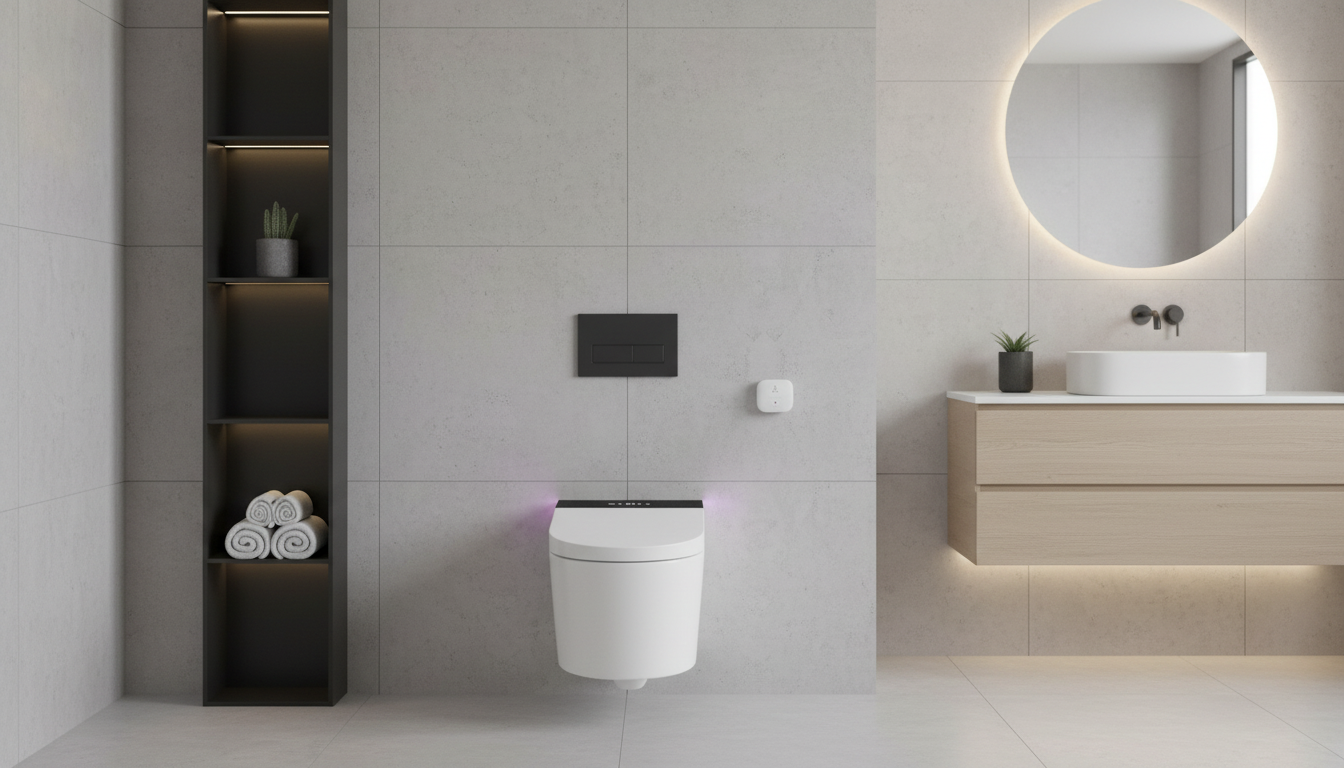
Wall Mounted Smart Toilet with Automatic Features and Concealed Tank
A wall mounted smart toilet blends a floating, space-saving profile with hands-free automation and a concealed in-wall tank for a crisp, built-in look. The result is a bathroom that feels more open, cleans up faster, and adds everyday comfort features like bidet washing, drying, and seat warming. Below is a practical guide to how these systems work, what the automatic features actually change day to day, what installation typically involves, and how to keep performance consistent for the long haul.
What Makes a Wall Mounted Smart Toilet Different
Wall-hung smart toilets aren’t just “regular toilets with a bidet seat.” They’re an integrated system designed around a carrier frame and in-wall cistern, with electronics layered in for comfort and automation.
- Wall mounted bowl: The bowl is supported by a rated in-wall carrier frame, leaving the floor clear for easier mopping and a modern, minimal silhouette.
- Concealed tank (in-wall cistern): The tank and key plumbing connections sit behind the wall; access is typically through the flush plate/service opening.
- Automatic features: Sensors and electronic controls can manage lid opening/closing, flushing, seat warming, and bidet functions depending on the configuration.
- Cleaner visual lines: With fewer exposed parts, there are fewer visual “breaks,” which can make smaller bathrooms feel less crowded.
Automatic Features That Matter in Daily Use
Smart features vary by model, but a few tend to have the biggest impact on comfort and hygiene—especially in shared bathrooms.
- Hands-free operation: Sensor-based lid opening and automatic flushing reduce touch points and can help keep the bathroom feeling fresher between cleanings.
- Bidet wash functions: Look for adjustable water temperature, pressure, and nozzle position. If multiple people will use the toilet, confirm front and rear wash modes are available.
- Drying and deodorizing: Warm-air drying can reduce toilet paper use, while a deodorizer filter helps manage lingering odors in smaller rooms.
- Heated seat and night light: Comfort upgrades that feel especially valuable in colder climates or for late-night trips.
- User profiles and controls: Presets (via remote or side panel) help each person quickly return to preferred settings without constant adjustments.
- Power and failure modes: Confirm what still works during a power outage—manual flush, mechanical override, or backup modes—since heated seat and bidet functions typically depend on power.
Quick Feature Checklist
| Feature | Why it helps | What to confirm before buying |
|---|---|---|
| Automatic lid/seat | Reduces contact points | Sensor sensitivity, manual override |
| Auto flush | Convenience and hygiene | Flush options, behavior during power loss |
| Adjustable bidet wash | Personal comfort and cleaning | Water heater type, pressure range |
| Warm-air dryer | Less toilet paper use | Drying temperature and airflow strength |
| Deodorizer | Fresher bathroom air | Filter type and replacement availability |
| Child/safety modes | Prevents accidental activation | Seat sensor, lockout controls |
Why the Concealed Tank and Wall Mount Can Be a Big Upgrade
For water efficiency context, it helps to compare flush performance and consumption against recognized guidelines such as EPA WaterSense toilet criteria.
Installation Considerations Before Ordering
- Carrier frame requirement: The in-wall carrier supports the load; confirm the carrier rating and compatibility with the toilet model.
- Wall type and depth: Concealed tanks require adequate cavity depth and proper reinforcement. Stud spacing and clearances matter.
- Plumbing rough-in: Verify drain outlet position and venting requirements, since wall-hung systems have stricter alignment needs.
- Electrical needs: Smart functions typically require a nearby GFCI-protected outlet and a clean plan for cable routing and service access.
- Water supply and filtration: Confirm supply location and pressure; a filter can help if water is hard or carries sediment.
- Permits and codes: Many jurisdictions require permits for in-wall carrier work and electrical additions. Referencing standards like the International Plumbing Code (IPC) can clarify expectations, but local requirements should always guide the final plan.
Cleaning, Maintenance, and Long-Term Reliability
Comfort, Accessibility, and Household Fit
- Seat height and reach: Wall mounting can allow a tailored height; consider comfort for taller users and support for those who benefit from an easier sit/stand position.
- Seat sensor behavior: Some units require a seated user for bidet activation or flushing; confirm how it performs for children or lighter users.
- Noise and light preferences: Beeps and night lights are useful for some households and distracting for others—look for adjustable or disable options.
- Shared bathroom practicality: User presets and simple controls reduce friction and keep everyone’s experience consistent.
- Water and energy use: Efficient flushing plus smart standby modes can help manage operating costs. Accessibility planning may also benefit from reviewing relevant guidance such as the 2010 ADA Standards for Accessible Design when applicable.
Price, Value, and What’s Included
Product Option
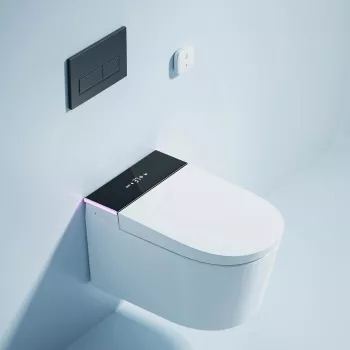
If the goal is a floating, built-in look with integrated automation, consider the Wall Mounted Smart Toilet with Automatic Features and Concealed Tank. It’s designed to pair the clean wall-hung aesthetic with the everyday convenience of sensor-driven features and a concealed cistern.
More In-Stock Picks
- Heavy-Duty 4-Digit Chain Lock for Bikes, E-Bikes & Motorcycles
- High-Pressure Portable Bike Floor Pump 160 PSI with Dual-Valve Head
FAQ
Can a wall mounted smart toilet be installed in an existing bathroom?
Yes, but it usually requires opening the wall to add an in-wall carrier and concealed cistern, confirming drain rough-in alignment, and adding a nearby GFCI outlet for power.
How is the concealed tank serviced if something needs repair?
Most concealed cisterns are designed to be accessed through the flush plate opening, where key valves and internal components can often be reached without removing the wall finish.
What happens if the power goes out?
It depends on the model. Some retain manual flushing capability or include backup modes, while advanced features like heated seats and bidet functions may be unavailable until power returns.











Leave a comment