-
Shop
- Advanced Technologies
- AI Career Advantage Collection
- AI Skills Mastery 2026 Collection
- Arts, Crafts & Hobbies
- Bathroom
- Best-Sellers
- Car Accessories
- Dating & Social Skills
- Denim
- 7FOR
- AGOLDE
- Antony Morato
- Armani Exchange
- Boss
- Brunello Cucinelli
- Calvin Klein Jeans
- Costume National
- Desigual
- Diesel
- Dolce & Gabbana
- Dsquared²
- Ermanno Scervino
- Fendi
- Gianni Lupo
- Guess Jeans
- Ichi
- Just Cavalli
- Lee
- Levi's
- Liu Jo
- Morgan De Toi
- Mother Denim
- Only
- Pepe Jeans
- Pinko
- Replay
- Valentino
- Vero Moda
- Digital Resources
- Education & Learning
- Family & Parenting
- Fashion
- Furniture
- Gadgets
- Health & Beauty
- Health & Wellness
- Home & Garden
- Kids & Babies
- Kitchen
- Lighting
- Patio, Lawn & Garden
- Personal Growth
- Pet Care
- Pet Supplies
- Pets
- Sport & Outdoors
- TikTok Growth & Monetization Mastery
- Travel
- Wealth
- Popular
- Best deals
Waxed Canvas Backpack: Waterproof Style for Daily & Trips
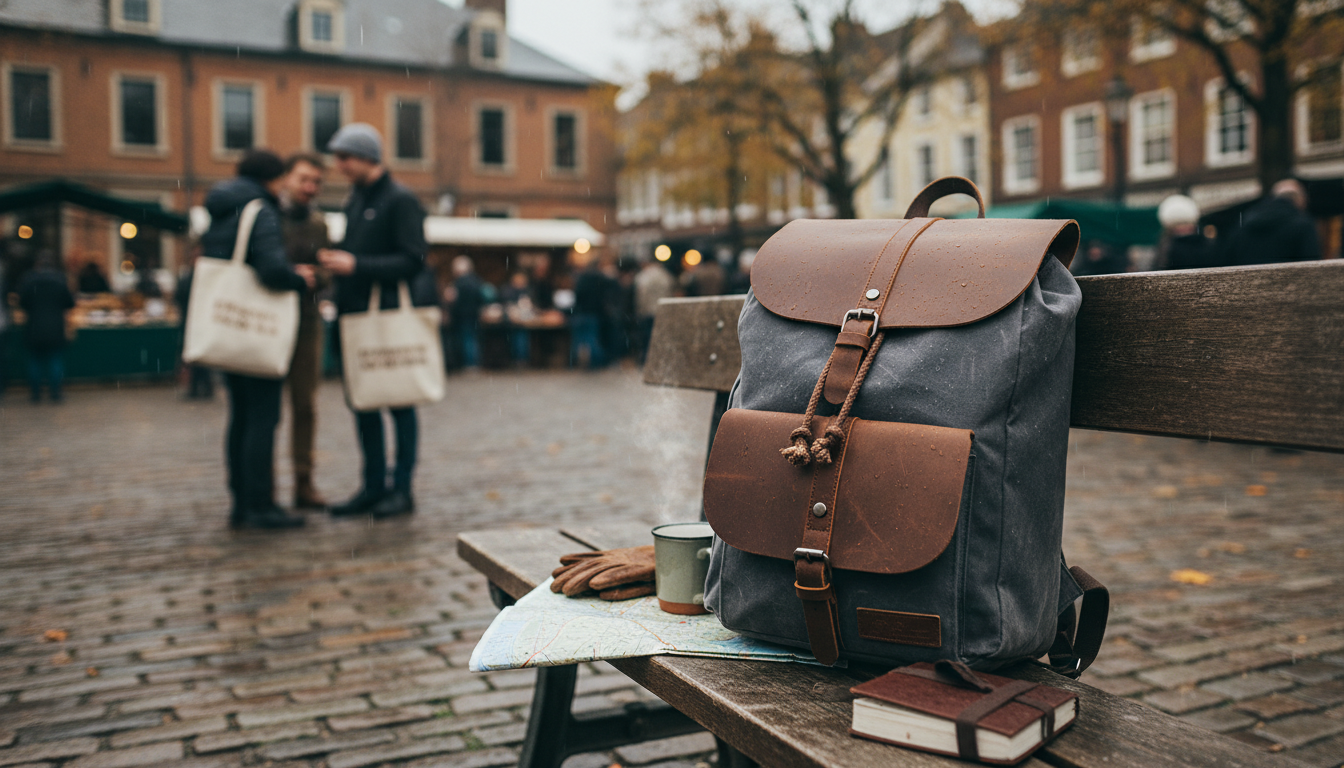
Stylish Waterproof Waxed Canvas Backpack for Everyday Carry and Weekend Travel
A waxed canvas backpack brings together classic texture and practical protection for commuting, campus days, and quick getaways. The fabric’s signature look isn’t just for style: a good waxed finish helps shed light rain and everyday grime while keeping the bag feeling structured. The key is knowing what “waterproof” really means in day-to-day use, how to evaluate comfort and capacity, and which closures and hardware details matter most when the weather turns.
What Makes Waxed Canvas Work in Wet Weather
Waxed canvas starts as cotton canvas that’s treated with wax to improve water resistance and help the surface stand up to light abrasion. Instead of soaking in quickly, water often beads and rolls off, buying you time during drizzles and splashes. That said, real-world performance depends on more than the fabric alone.
Seams, needle holes, and zippers can still let moisture in—especially during prolonged exposure or heavy downpours. “Waterproof” in everyday product descriptions often refers to strong water resistance rather than fully submersible construction. For the best wet-weather coverage, look for smart design elements like storm flaps, well-protected zipper tracks, and thoughtful seam placement.
Another hallmark of waxed canvas is patina. Creases, scuffs, and subtle color shifts happen naturally as the wax moves with use. Many people prefer this broken-in look because it makes the bag feel personal over time, rather than staying perfectly uniform.
At-a-Glance: What to Check Before Buying
Before choosing a waxed canvas backpack, focus on how it will feel during a full day of carrying and how quickly you can access essentials on the move.
- Capacity and layout: Enough room for daily gear, plus dedicated pockets for quick-grab items.
- Carry comfort: Padded shoulder straps, a breathable back panel, and a sturdy top handle for short carries.
- Closures and entry: Roll-top, flap, or zipper—each affects access speed and weather coverage.
- Hardware quality: Metal buckles, reinforced strap anchors, and clean stitching reduce long-term failure points.
- Weight: Waxed canvas can feel heavier than nylon; comfort matters most when the bag is packed.
Quick comparison of common backpack features
| Feature | Why it matters | What to look for |
|---|---|---|
| Waxed canvas finish | Helps repel rain and stains | Even coating, minimal dry patches, consistent texture |
| Seams and stress points | Weak spots can leak or tear | Reinforced stitching, bartacks, clean seam lines |
| Main closure style | Controls access and weather protection | Flap/roll-top for coverage; sturdy zipper with flap for speed |
| Straps and back panel | Comfort during long carries | Padding, adjustability, smooth edges, stable fit |
| Pockets and organization | Faster access and safer storage | Secure inner pocket, quick-access front/side pocket |
Spotlight: Stylish Waterproof Waxed Canvas Backpack
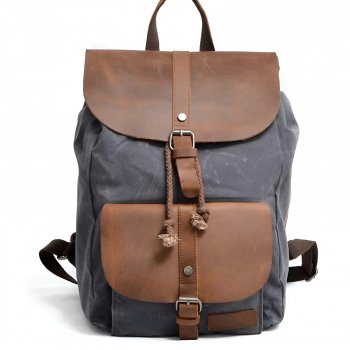
If you want a bag that looks equally at home with weekday outfits and weekend plans, the Stylish Waterproof Waxed Canvas Backpack is designed to pair rugged material with a clean, everyday silhouette. The waxed canvas exterior helps fend off light rain and splashes while keeping that structured, heritage-inspired feel that works for commuting, city walking, and casual travel.
It’s a practical choice when the forecast is uncertain and you still want a backpack that elevates a simple look. It’s also a great fit for anyone who enjoys gear that ages gracefully instead of staying perfectly pristine.
Fit, Capacity, and Packing Ideas
Packing a waxed canvas backpack well is less about filling every inch and more about balancing weight and keeping important items accessible.
Daily loadout
- Wallet, keys, phone
- Sunglasses and a compact umbrella
- Water bottle and a light layer (thin hoodie or packable jacket)
Work or school loadout
- Add a notebook, a small tech pouch, and a charger
- Include a slim lunch container if needed
- Place heavier items close to the back panel to reduce shoulder strain
Weekend loadout
- Swap in a packing cube and a toiletry bag
- Use internal pockets for small essentials that tend to disappear in the main compartment
- If you carry bottles, consider a bottle sleeve or a dedicated side pocket to prevent shifting
If electronics are part of your routine, adding a separate padded sleeve can help protect devices and keep them stable—especially since waxed canvas bags often prioritize durability and style over built-in tech padding.
Small Add-Ons That Make Travel Easier
A backpack does the heavy lifting, but a couple of compact extras can improve comfort and organization without adding much bulk. A quick-dry or soft towel is especially useful for gym commutes, unexpected weather, or roadside stops; the Soft Striped Coral Fleece Face Towel is an easy throw-in for everyday carry or short trips.
How to Care for Waxed Canvas So It Lasts
For deeper cleaning and maintenance techniques, these guides are helpful: REI Co-op: How to Clean a Backpack, Otter Wax: How to Wax Canvas, and Filson: Tin Cloth and Waxed Cotton Care.
When a Waxed Canvas Backpack Is the Right Choice (and When It Isn’t)
FAQ
Is waxed canvas truly waterproof?
Waxed canvas is highly water-resistant, meaning it repels light rain and splashes and often makes water bead on the surface. It’s not fully waterproof in the way sealed dry bags are, because seams, zippers, and long exposure can still allow moisture through.
How do you clean a waxed canvas backpack without ruining the finish?
Brush off dry dirt first, then spot-clean with cold water and use mild soap only when needed. Avoid machine washing and air-dry away from heaters or direct high heat to prevent uneven wax loss.
How often should a waxed canvas bag be re-waxed?
Re-wax when water stops beading, the surface looks dry or patchy, or the fabric starts picking up stains more easily. Frequency depends on how often you use it and how wet your climate is, but many people refresh high-wear areas as needed rather than on a strict schedule.














Leave a comment