-
Shop
- Advanced Technologies
- AI Career Advantage Collection
- AI Skills Mastery 2026 Collection
- Arts, Crafts & Hobbies
- Bathroom
- Best-Sellers
- Car Accessories
- Dating & Social Skills
- Denim
- 7FOR
- AGOLDE
- Antony Morato
- Armani Exchange
- Boss
- Brunello Cucinelli
- Calvin Klein Jeans
- Costume National
- Desigual
- Diesel
- Dolce & Gabbana
- Dsquared²
- Ermanno Scervino
- Fendi
- Gianni Lupo
- Guess Jeans
- Ichi
- Just Cavalli
- Lee
- Levi's
- Liu Jo
- Morgan De Toi
- Mother Denim
- Only
- Pepe Jeans
- Pinko
- Replay
- Valentino
- Vero Moda
- Digital Resources
- Education & Learning
- Family & Parenting
- Fashion
- Furniture
- Gadgets
- Health & Beauty
- Health & Wellness
- Home & Garden
- Kids & Babies
- Kitchen
- Lighting
- Patio, Lawn & Garden
- Personal Growth
- Pet Care
- Pet Supplies
- Pets
- Sport & Outdoors
- TikTok Growth & Monetization Mastery
- Travel
- Wealth
- Popular
- Best deals
5 Mindfulness Exercises to Ease Future Anxiety Fast
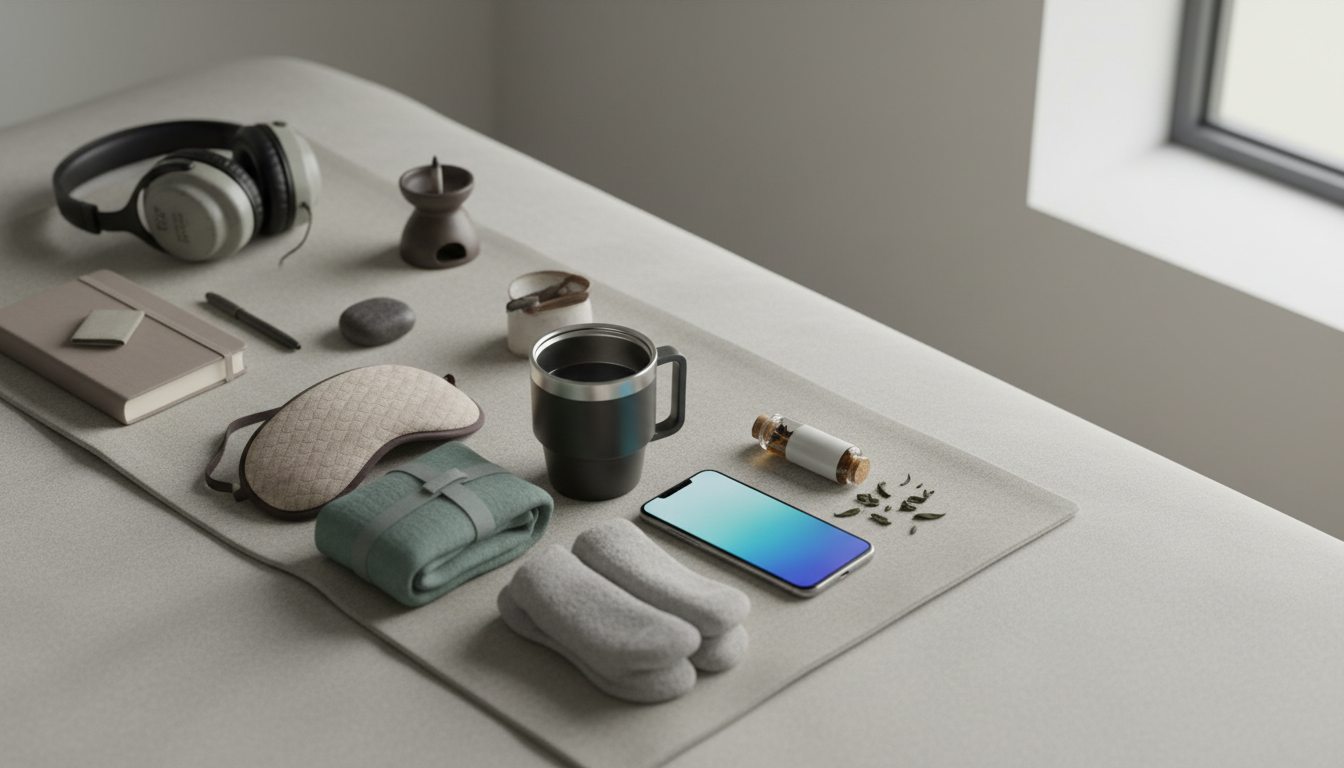
What are practical mindfulness exercises to reduce anxiety about the future?
Future-focused anxiety often shows up as mental “time travel”—replaying worst-case scenarios or trying to solve problems that haven’t arrived. Mindfulness helps by repeatedly training attention back to what’s real and workable right now. These practical exercises can be done in minutes and don’t require special equipment.
1) The 5-4-3-2-1 grounding reset (2 minutes)
Pause and name 5 things you can see, 4 you can feel, 3 you can hear, 2 you can smell, and 1 you can taste. If you can’t smell or taste anything, swap in “1 thing you appreciate.” This interrupts spiraling thoughts by anchoring attention in your senses.
2) Box breathing (1–3 minutes)
Inhale for 4 counts, hold for 4, exhale for 4, hold for 4. Repeat 4 cycles. Keep the breath gentle—your goal is steadiness, not intensity. This pattern can calm the nervous system quickly when uncertainty feels urgent.
3) “Name it to tame it” labeling (60 seconds)
Silently label what’s happening: “Worrying,” “planning,” “catastrophizing,” or “uncertainty.” Then add: “This is a thought, not a prediction.” Labeling creates distance from the story and reduces the feeling that you must act on every anxious idea.
4) The 3-minute check-in
Minute 1: Notice what’s present (thoughts, emotions, body sensations). Minute 2: Focus on the breath at the nostrils or belly. Minute 3: Widen awareness to the whole body and the room. This builds a quick, repeatable way to return to the present.
5) “Worry window” + mindful return (5 minutes)
Set a timer for 5 minutes to write worries down. When the timer ends, do 10 slow breaths and choose one small next step you can take today (or decide to postpone). This validates concerns without letting them take over the whole day.
For more strategies and deeper guidance, visit this guide on managing anxiety about the future.
FAQ
How can I calm myself at night when future worries keep me awake?
Try a short body scan from head to toe, then do 4 cycles of box breathing. If thoughts keep returning, write them down once and tell yourself you’ll revisit them tomorrow.
Recommended for you

Learn Programming Basics with an AI Digital Sidekick
Jul 28, 2026
Safe Jumper Cable Jump Start: Correct Clamp Order
Jul 29, 2026












Leave a comment