-
Shop
- Advanced Technologies
- AI Career Advantage Collection
- AI Skills Mastery 2026 Collection
- Arts, Crafts & Hobbies
- Bathroom
- Best-Sellers
- Car Accessories
- Dating & Social Skills
- Denim
- 7FOR
- AGOLDE
- Antony Morato
- Armani Exchange
- Boss
- Brunello Cucinelli
- Calvin Klein Jeans
- Costume National
- Desigual
- Diesel
- Dolce & Gabbana
- Dsquared²
- Ermanno Scervino
- Fendi
- Gianni Lupo
- Guess Jeans
- Ichi
- Just Cavalli
- Lee
- Levi's
- Liu Jo
- Morgan De Toi
- Mother Denim
- Only
- Pepe Jeans
- Pinko
- Replay
- Valentino
- Vero Moda
- Digital Resources
- Education & Learning
- Family & Parenting
- Fashion
- Furniture
- Gadgets
- Health & Beauty
- Health & Wellness
- Home & Garden
- Kids & Babies
- Kitchen
- Lighting
- Patio, Lawn & Garden
- Personal Growth
- Pet Care
- Pet Supplies
- Pets
- Sport & Outdoors
- TikTok Growth & Monetization Mastery
- Travel
- Wealth
- Popular
- Best deals
Easy Plants That Thrive: Low-Stress Indoor & Outdoor Picks
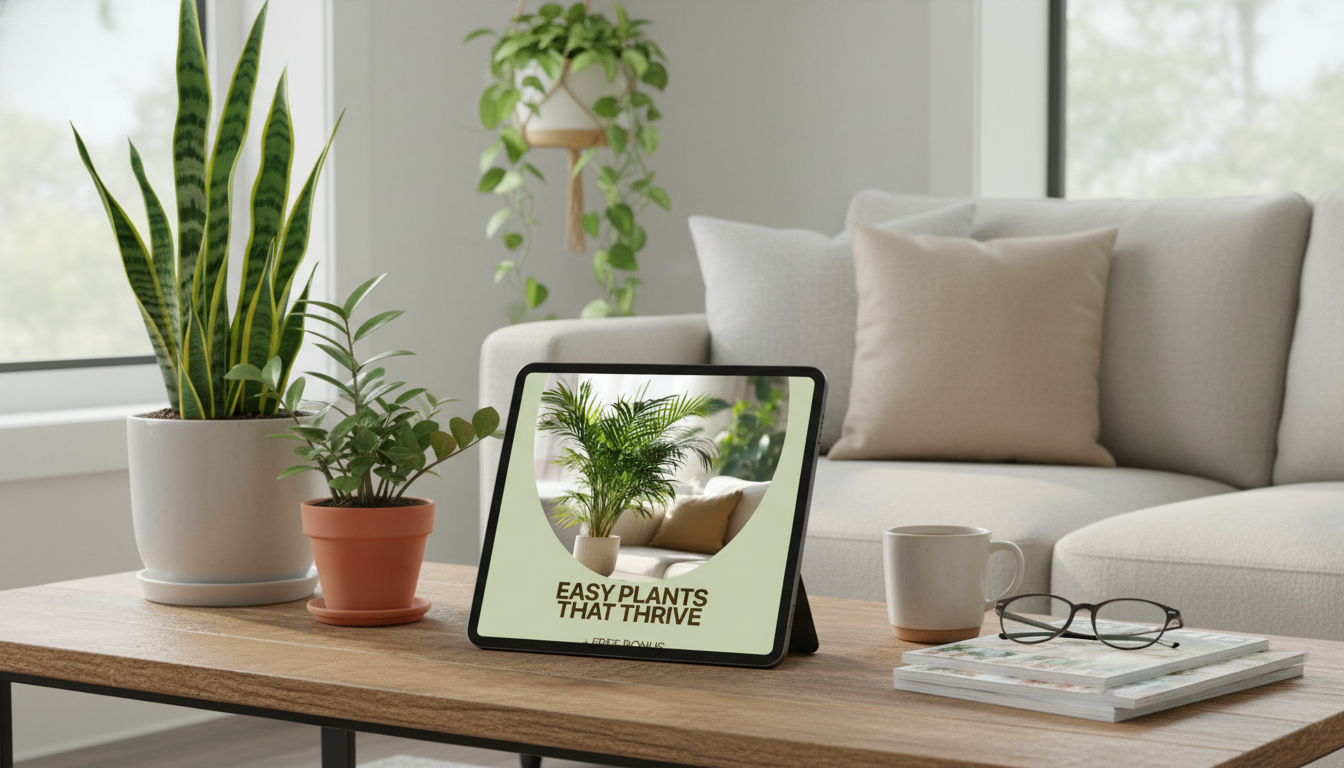
Easy Plants That Thrive: A Beginner-Friendly Guide for Indoor and Outdoor Success
Starting a plant collection can feel intimidating, but a small set of hardy, forgiving plants can deliver quick wins and build confidence. The goal isn’t perfection—it’s choosing dependable plants for the conditions you already have, then following a simple routine that prevents the most common mistakes (especially overwatering). Below is a practical, beginner-first approach to easy indoor and outdoor plants, plus quick fixes when something looks “off.”
What Makes a Plant “Easy” for Beginners
“Easy” plants share a few traits that make them resilient in real homes and real schedules:
- Tolerate missed waterings and recover quickly from minor mistakes.
- Handle a range of light levels (especially medium/indirect light indoors).
- Resist common pests and diseases better than fussier species.
- Grow at a manageable pace without constant pruning or repotting.
- Show clear signals when something is off (drooping, yellowing, dry tips).
When you shop for plants, check the tag for light and watering needs, then match them to your space rather than trying to “force” a plant to adapt.
Fast Setup: The Beginner Plant Care Toolkit
A few basic supplies prevent most early failures and make care feel simple instead of stressful:
- Containers with drainage holes plus saucers; for outdoors, choose pots that won’t crack in sun/freeze cycles.
- All-purpose potting mix for houseplants; for succulents/cacti, use a gritty mix to prevent root rot.
- A small watering can and a simple moisture check method (finger test or inexpensive meter).
- Pruners/scissors for clean cuts, and a soft cloth to dust leaves for better photosynthesis.
- Optional but helpful: slow-release fertilizer for outdoor containers, and a balanced liquid feed for indoor plants during active growth.
If you want a structured, plant-by-plant routine with checklists and troubleshooting, consider the Easy Plants That Thrive: The Ultimate Beginner’s Guide to Easy Plants for Beginners, Indoor and Outdoor Gardening Success eBook.
Easy Indoor Plants That Forgive Mistakes
These are classic “starter” plants because they tolerate typical indoor conditions and bounce back when care isn’t perfect.
- Snake plant (Sansevieria/Dracaena trifasciata): thrives on neglect; water only when soil is mostly dry.
- ZZ plant (Zamioculcas zamiifolia): tolerates low light; slow growth, so overwatering is the main risk.
- Pothos (Epipremnum aureum): fast, rewarding growth; trim vines to encourage fullness; easy to propagate in water.
- Spider plant (Chlorophytum comosum): adaptable and produces “babies”; prefers bright indirect light but manages in medium light.
- Cast iron plant (Aspidistra elatior): handles low light and inconsistent care; slow and steady.
Beginner Indoor Plant Match-Up
| Plant | Light | Watering Rhythm | Beginner Win |
|---|---|---|---|
| Snake plant | Low to bright indirect | Every 2–4+ weeks (let dry) | Hard to kill; great for busy schedules |
| ZZ plant | Low to medium | Every 2–4+ weeks (let dry) | Thrives in dim rooms |
| Pothos | Medium to bright indirect | When top 1–2 inches dry | Fast growth and easy propagation |
| Spider plant | Medium to bright indirect | When top inch dries | Produces plantlets for easy expansion |
| Cast iron plant | Low to medium | When top 2 inches dry | Tolerates low light and neglect |
Easy Outdoor Plants for Low-Stress Gardening
For outdoor success, prioritize plants that handle sun, temperature swings, and occasional missed watering—especially in containers.
- Marigolds: reliable blooms, heat-tolerant, and beginner-friendly in beds or pots.
- Zinnias: quick color from seed; prefers sun and moderate watering once established.
- Sunflowers: satisfying height and fast payoff; stake tall varieties in windy areas.
- Herbs for containers (basil, mint in its own pot, chives): useful harvests and clear growth feedback.
- Sedum/stonecrop: drought-tolerant and tough for sunny spots with well-drained soil.
For plant-specific details (sun exposure, mature size, bloom season), the Missouri Botanical Garden Plant Finder is a reliable reference.
Light and Water Made Simple (Without Guesswork)
- Light basics: “Bright indirect” means near a window with filtered sun; “direct sun” is a beam that hits leaves.
- Rotate indoor pots: turn plants every 1–2 weeks for even growth; move plants gradually to brighter spots to prevent scorch.
- Watering rule: water thoroughly until it drains, then wait. Most beginner losses come from watering too often, not too little.
- Seasonal adjustments: indoor plants typically need less water in winter; outdoor containers dry faster in summer heat and wind.
- Humidity and airflow: avoid soggy, stagnant corners; airflow helps reduce fungus and pests.
For practical houseplant care guidance and common indoor issues, the University of Minnesota Extension — Houseplants is a strong, research-based resource.
Common Problems and Quick Fixes
For broader gardening troubleshooting and seasonal tips, the Royal Horticultural Society (RHS) Gardening Advice offers clear, practical explanations.
A Simple 30-Day Beginner Plan
A Handy Reference for Building Confidence Faster
A structured guide can make decisions easier: which plant fits your light, how to set a routine, and what to do when leaves change color. The Easy Plants That Thrive eBook is a simple way to keep care steps and quick diagnostics in one place.
If you’re gifting a new plant parent, pairing a practical guide with a comfort item can make the habit stick—something like the Cozy Cuddly Cowboy Bear Plush Toy – Soft Hugging Companion for a cozy reading-and-planning nook.
FAQ
What is the easiest indoor plant to keep alive?
Snake plant and ZZ plant are two of the most forgiving options. Use a pot with drainage and let the soil dry out well between waterings to avoid root rot.
How often should beginners water houseplants?
Check the soil first instead of watering on a strict schedule. Many easy plants do best with a thorough soak only after the top inch or two is dry, while succulents and “low-water” plants need even longer between waterings.
Which outdoor plants are easiest for first-time gardeners?
Marigolds, zinnias, sunflowers, container herbs, and sedum are dependable starters. Give sun-loving plants enough direct light and water consistently until established, then let the soil dry slightly between deeper waterings.
Recommended for you


Car Phone Mount Guide: Safer, Steadier Driving Setup
May 20, 2026











Leave a comment