-
Shop
- Advanced Technologies
- AI Career Advantage Collection
- AI Skills Mastery 2026 Collection
- Arts, Crafts & Hobbies
- Bathroom
- Best-Sellers
- Car Accessories
- Dating & Social Skills
- Denim
- 7FOR
- AGOLDE
- Antony Morato
- Armani Exchange
- Boss
- Brunello Cucinelli
- Calvin Klein Jeans
- Costume National
- Desigual
- Diesel
- Dolce & Gabbana
- Dsquared²
- Ermanno Scervino
- Fendi
- Gianni Lupo
- Guess Jeans
- Ichi
- Just Cavalli
- Lee
- Levi's
- Liu Jo
- Morgan De Toi
- Mother Denim
- Only
- Pepe Jeans
- Pinko
- Replay
- Valentino
- Vero Moda
- Digital Resources
- Education & Learning
- Family & Parenting
- Fashion
- Furniture
- Gadgets
- Health & Beauty
- Health & Wellness
- Home & Garden
- Kids & Babies
- Kitchen
- Lighting
- Patio, Lawn & Garden
- Personal Growth
- Pet Care
- Pet Supplies
- Pets
- Sport & Outdoors
- TikTok Growth & Monetization Mastery
- Travel
- Wealth
- Popular
- Best deals
Legally Writing a Book With AI: Copyright & Disclosure
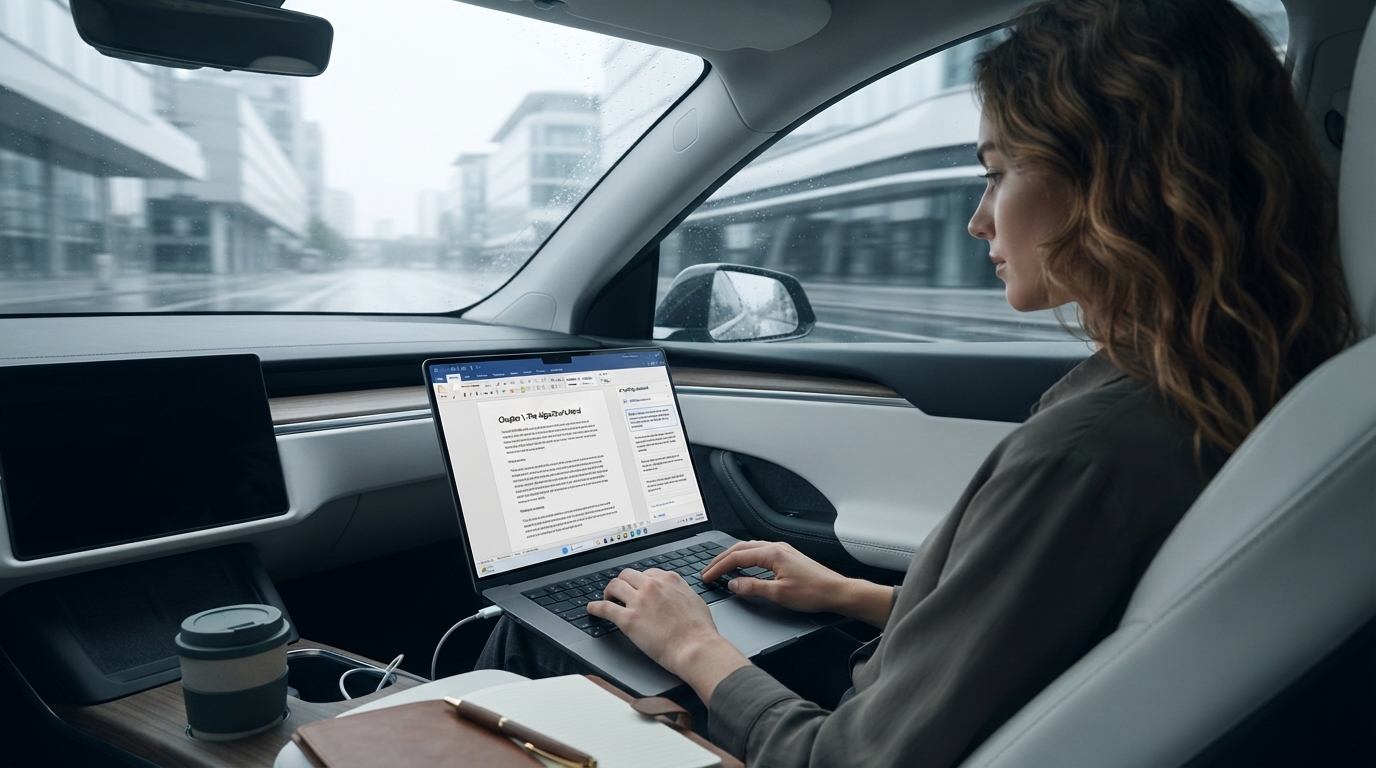
Can I legally write a book with AI?
Answer
Yes, it’s generally legal to write a book with help from AI, but legality depends on what you publish and how you use the material. Most issues aren’t about using AI itself—they’re about copyright, ownership, and avoiding unlawful content.
Copyright and ownership: In the U.S., copyright protection is strongest for the human-authored parts of a book. If you substantially revise, select, and arrange AI-assisted text, those human creative choices can be protected. Purely machine-generated passages may not receive the same protection, so keep drafts and notes showing your human contribution.
Avoid copying and “too-close” rewriting: If an AI output closely mirrors a copyrighted book, lyrics, article, or a recognizable character’s text, publishing it could create infringement risk. Treat AI output like an unverified draft: fact-check it, rewrite in your own voice, and avoid lifting distinctive phrasing.
Use of names, brands, and real people: Trademarks, defamation, privacy, and right-of-publicity laws still apply. Don’t imply endorsement by a real company, and be careful with identifiable private individuals or living persons in a way that could be false or harmful. For biographies or nonfiction, verify sources and use quotes properly.
Tool terms and contracts: The AI service’s terms may affect what you’re allowed to do and who owns what. Also review publisher and retailer rules—some require disclosure of AI-generated content or impose limits. If you’re collaborating with co-authors or hiring editors, clarify in writing who owns the final manuscript and what “AI assistance” means for the project.
If you’re assembling recommendation-style books or list-based content, it helps to have a consistent process for quality control and attribution. For a practical checklist on building AI-assisted book recommendation lists responsibly, see this guide.
FAQ
Do I have to disclose that I used AI to write my book?
Disclosure isn’t universally required by law, but it may be required by your publisher, retailer, or the AI tool’s terms. Even when optional, clear disclosure can reduce customer confusion and help avoid disputes about authorship and originality.
Recommended for you

Guess Womens Trousers in Blue: Fit, Style, Care
Jul 4, 2026












Leave a comment