-
Shop
- Advanced Technologies
- AI Career Advantage Collection
- AI Skills Mastery 2026 Collection
- Arts, Crafts & Hobbies
- Bathroom
- Best-Sellers
- Car Accessories
- Dating & Social Skills
- Denim
- 7FOR
- AGOLDE
- Antony Morato
- Armani Exchange
- Boss
- Brunello Cucinelli
- Calvin Klein Jeans
- Costume National
- Desigual
- Diesel
- Dolce & Gabbana
- Dsquared²
- Ermanno Scervino
- Fendi
- Gianni Lupo
- Guess Jeans
- Ichi
- Just Cavalli
- Lee
- Levi's
- Liu Jo
- Morgan De Toi
- Mother Denim
- Only
- Pepe Jeans
- Pinko
- Replay
- Valentino
- Vero Moda
- Digital Resources
- Education & Learning
- Family & Parenting
- Fashion
- Furniture
- Gadgets
- Health & Beauty
- Health & Wellness
- Home & Garden
- Kids & Babies
- Kitchen
- Lighting
- Patio, Lawn & Garden
- Personal Growth
- Pet Care
- Pet Supplies
- Pets
- Sport & Outdoors
- TikTok Growth & Monetization Mastery
- Travel
- Wealth
- Popular
- Best deals
Guess Womens Trousers in Blue: Fit, Style, Care
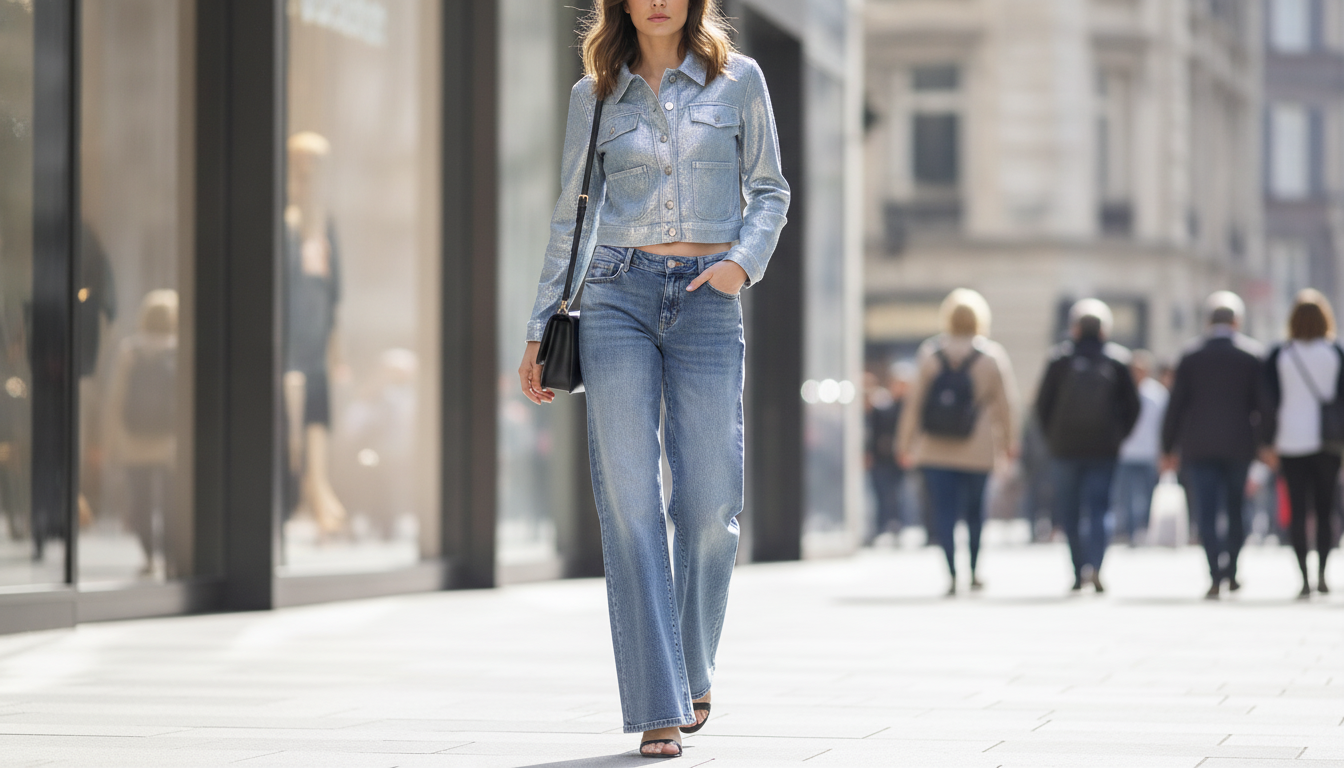
Guess Women’s Blue Trousers bring that clean, tailored look that works just as well for business-casual mornings as it does for relaxed dinners and weekend errands. Blue is especially useful when black feels too stark and beige feels too minimal—you still get a neutral-friendly base, with a little more depth and personality. Below is a practical guide to fit, styling formulas, and care habits that help trousers keep their color and structure over time.
Quick look: what stands out
- Blue trousers pair easily with neutrals while adding more visual interest than black basics.
- They fit naturally into smart-casual, business casual, and elevated everyday wardrobes.
- A streamlined trouser silhouette looks polished with tucked knits, button-downs, and structured outerwear.
- Pick shoes first (loafers, heels, or clean sneakers) to set the formality, then build the outfit around that level.
Product details at a glance
If you’re shopping for an easy, repeat-wear pair of tailored pants, start with a reliable silhouette and a color that plays well with what’s already in your closet. Guess Women’s Blue Trousers are positioned as an everyday option that can lean crisp or casual depending on styling.
| Item | Price | Availability | Link |
|---|---|---|---|
| Guess Women’s Blue Trousers | $67.15 | In stock | View product |
| Body Confidence Blueprint | Ebook Guide on How to Build Body Confidence, Self-Image & Everyday Confidence | $13.99 | In stock | View product |
Tip: If you’re between sizes, prioritize comfort at the waist and hips first. Hemming for length is usually straightforward, while trousers that are tight through the waist/seat can be difficult to “fix” without compromising pockets, seams, and overall drape.
Fit and sizing: getting the most flattering line
Waist placement
A mid-rise typically balances comfort and a clean silhouette, especially for all-day wear. A higher rise can look particularly sharp with cropped jackets and fully tucked tops, creating an elongated line through the leg.
Hip and thigh fit
The fabric should skim the body without pulling. If you see horizontal drag lines across the front (often near the zipper or upper thigh), that’s a common sign the hip/thigh area is too tight. A smoother front panel reads more tailored and tends to sit better throughout the day.
Leg shape: straight vs. tapered
Straight legs look modern and minimal with loafers and low-profile sneakers, and they balance chunkier outerwear well. Tapered legs draw attention to the ankle, which makes them a natural match for heels and ankle boots—especially when you want a slightly dressier finish.
Length
For a classic look, aim for a slight break (a small crease where the hem meets the shoe). For a more contemporary feel, choose an ankle length that shows the shoe clearly—great when you want footwear to be part of the outfit’s focal point.
Undergarments for a smooth drape
Seamless underwear helps keep the front and seat looking clean, especially with lighter-weight fabrics or more structured tailoring where lines show more easily.
Color pairing and outfit formulas for blue trousers
Blue is versatile because it can act like a neutral while still looking intentional. The trick is deciding whether you want the trousers to blend in (sleek and understated) or stand out (rich contrast and depth).
Neutral pairings that never miss
- White/cream: crisp, bright, and easy for work or weekend.
- Camel: warm, polished, and especially strong with gold-toned accessories.
- Gray: soft and professional without looking too formal.
- Black: clean contrast; keep it sharp with structured pieces.
Monochrome blues for an elongating effect
Mixing shades of blue reads cohesive and elevated: a navy top, medium-blue trousers, and a lighter blue layer (or vice versa). This approach is also an easy way to look “put together” without relying on busy prints.
Warm-toned contrast for a richer palette
Try rust, terracotta, or mustard for a fashion-forward balance. These tones bring out the depth in blue and work especially well in fall, but they can also brighten up transitional outfits in spring.
Three outfit formulas to save
- Work: tailored blue trousers + crisp shirt or fine-gauge knit + blazer + loafers or block heels.
- Weekend: trousers + fitted tee + denim jacket or bomber + clean sneakers.
- Evening: trousers + satin or ribbed top + statement belt/jewelry + heeled sandal or pointed-toe pump.
Care and longevity: keeping blue trousers looking new
Color, shape, and crease retention come down to two things: following the garment’s label and avoiding unnecessary heat and friction. For a quick reference on care labels, the FTC’s care labeling guidance is a helpful overview, and GINETEX provides background on international care symbols.
Start with the care label
Always check the label first—it determines whether machine washing, hand-washing, or dry cleaning is recommended. This is the single best way to avoid shrinkage, color loss, and unwanted shine from pressing.
Protect the blue dye
- Wash inside out (when washable) to reduce surface abrasion.
- Use cold water and a mild detergent.
- Avoid overdrying; high heat can fade color and stress fibers.
Keep the shape crisp between wears
Stains and spot-treating
Steaming vs. ironing
When to wear them: occasions and seasonal styling
For brand styling references and current collections, you can also browse the GUESS official website.
FAQ
How should trousers fit at the waist and hips?
They should sit comfortably without pinching, and the fabric should lie flat across the front without pulling lines. Prioritize a good waist/hip fit and tailor the length if needed.
What tops go best with blue trousers?
Neutrals like white, cream, gray, and black are the easiest, while tonal blues look sleek and cohesive. Warm shades such as rust or mustard add contrast; choose fitted or tuckable tops to keep the silhouette clean.
How can blue trousers be kept from fading?
Follow the care label, wash inside out when permitted, use cold water and mild detergent, and avoid high-heat drying. Airing them out between wears also reduces overwashing.









Leave a comment