-
Shop
- Advanced Technologies
- AI Career Advantage Collection
- AI Skills Mastery 2026 Collection
- Arts, Crafts & Hobbies
- Bathroom
- Best-Sellers
- Car Accessories
- Dating & Social Skills
- Denim
- 7FOR
- AGOLDE
- Antony Morato
- Armani Exchange
- Boss
- Brunello Cucinelli
- Calvin Klein Jeans
- Costume National
- Desigual
- Diesel
- Dolce & Gabbana
- Dsquared²
- Ermanno Scervino
- Fendi
- Gianni Lupo
- Guess Jeans
- Ichi
- Just Cavalli
- Lee
- Levi's
- Liu Jo
- Morgan De Toi
- Mother Denim
- Only
- Pepe Jeans
- Pinko
- Replay
- Valentino
- Vero Moda
- Digital Resources
- Education & Learning
- Family & Parenting
- Fashion
- Furniture
- Gadgets
- Health & Beauty
- Health & Wellness
- Home & Garden
- Kids & Babies
- Kitchen
- Lighting
- Patio, Lawn & Garden
- Personal Growth
- Pet Care
- Pet Supplies
- Pets
- Sport & Outdoors
- TikTok Growth & Monetization Mastery
- Travel
- Wealth
- Popular
- Best deals
2-Pack Reusable Microfiber Mop Pads for Wet & Dry Floors
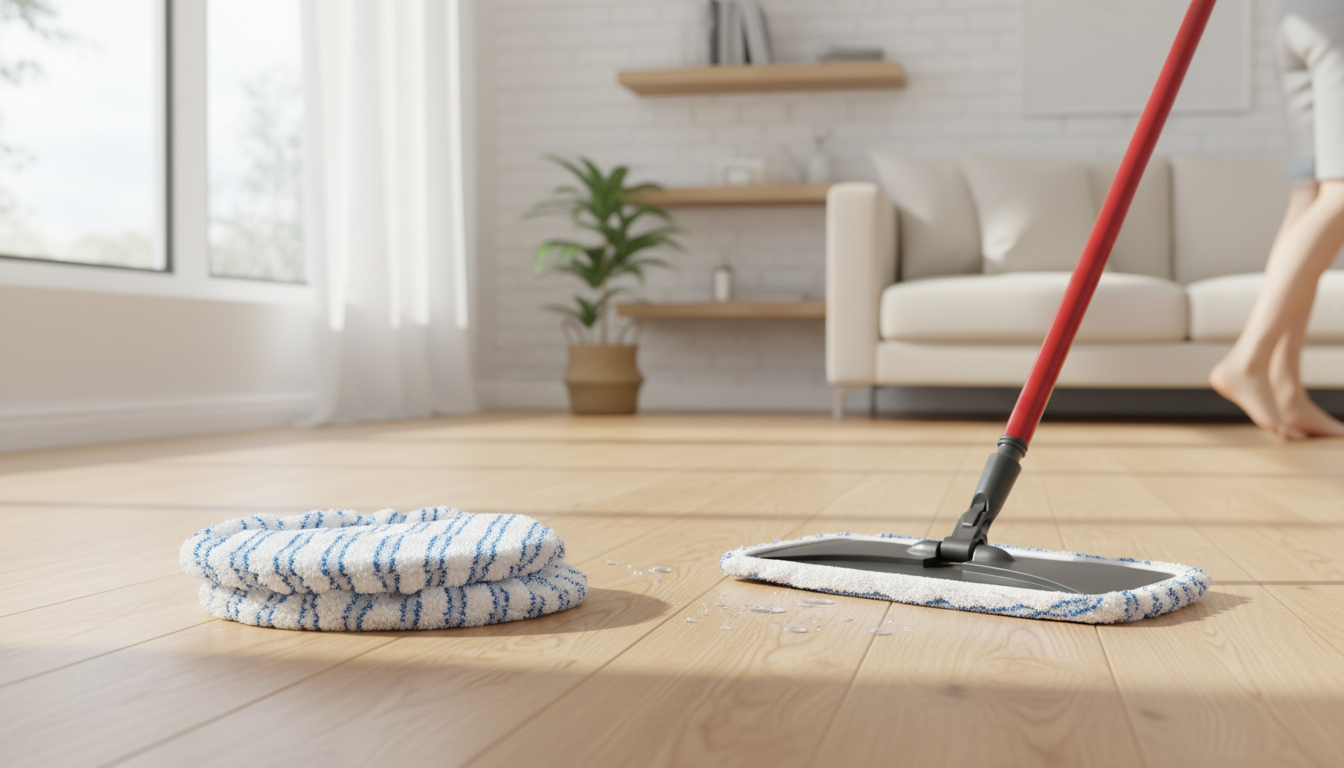
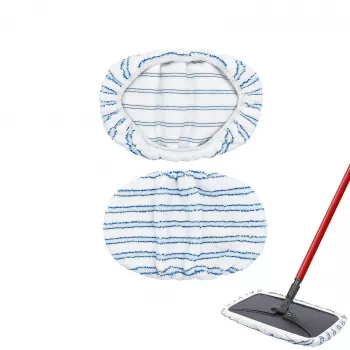
Reusable Microfiber Mop Pads for Wet & Dry Floor Cleaning – 2-Pack
Reusable microfiber mop pads make everyday floor care faster and less wasteful: one pad can tackle dry dusting, hair pickup, and wet mopping with the same tool. With the right routine and a little care, microfiber helps keep common hard floors looking clean without the streaks and residue that can come from overwetting or using too much solution. For more guidance, see 18 inch Commercial Microfiber Mop Kit.
What Makes Microfiber Mop Pads Different
Microfiber is designed to do more than push dirt around. Its fine, dense strands create a large surface area that helps trap particles and lift everyday grime.
- Better dry pickup: Dense microfiber strands grab fine dust, crumbs, and pet hair during dry passes, reducing the need to sweep first.
- Effective with less liquid: When damp, microfiber’s surface area helps loosen and lift routine soil so you often don’t need much cleaner.
- Less waste: Reusable construction cuts down on disposable pad waste and can be more economical over time.
- Easy rotation: Two-pad rotation helps—use one while the other is in the wash to keep cleaning consistent.
Wet vs. Dry Cleaning: When to Use Each
Choosing dry, damp, or wet cleaning is mostly about matching moisture level to the mess and the floor type. For many homes, quick daily dry passes plus a weekly damp mop prevents buildup that later needs scrubbing.
- Dry use: Quick daily pickup in kitchens, entryways, and under dining tables; ideal for dust, hair, and light debris.
- Damp use: Weekly maintenance for footprints and sticky spots; wring out well to avoid overwetting wood or laminate.
- Wet use: Deeper cleaning on tile or vinyl; use minimal solution and rinse the pad as it loads with dirt.
- Streak-free tip: Finish with a lightly damp pad and even strokes; avoid leaving puddles along edges and baseboards.
Simple guide to choosing a cleaning mode
| Goal | Pad Condition | Best For | Notes |
|---|---|---|---|
| Pick up dust and hair | Dry | Hardwood, laminate, tile, vinyl | Shake out debris as needed |
| Remove light grime | Damp | Most sealed floors | Use warm water; avoid soaking |
| Tackle sticky spots | Wet + spot pressure | Tile, sealed vinyl | Rinse frequently; change water if dirty |
| Polish/finish pass | Lightly damp | Hardwood, laminate | Reduces streaks when used last |
Fit, Compatibility, and What to Check Before Buying
Mop pads aren’t one-size-fits-all. A great microfiber pad still needs to fit your mop head securely to avoid bunching, slipping, or curling.
- Confirm the attachment style: Hook-and-loop, pockets, snap tabs, or brand-specific frames can affect fit.
- Check dimensions: Measure pad size against the mop head for full coverage. Too small can leave a dirty border; too large may bunch up.
- Inspect durability details: Look for stitched edges and secure backing to help prevent curling during use and washing.
- Plan for your household: Pets, kids, and high-traffic areas benefit from having at least two pads ready to rotate.
How to Use for Better Results on Common Floors
A simple sequence—remove loose debris first, then lightly mop—often delivers a cleaner finish with less effort and fewer streaks.
Hardwood (sealed)
Start with a dry pass to capture dust and grit (the stuff that can scratch). Follow with a damp pass and keep moisture minimal—no puddles. Use cleaners approved for sealed wood, and dry any drips near baseboards right away.
Laminate
Keep the pad barely damp. Excess water can seep into seams and cause swelling over time. Work in small sections and do a quick follow-up pass with a drier area of the pad if you notice moisture sitting on the surface.
Tile
Wet mopping is usually fine. Give extra attention to grout lines, which hold onto soil. Rinse the pad more frequently so you don’t spread dirty water from one area to the next.
Vinyl and LVP
Damp-to-wet cleaning works well for everyday smudges. Avoid abrasive powders or harsh scouring that can dull the finish. If you use a cleaning solution, a final lightly damp water-only pass can help prevent residue.
A quick routine that stays manageable
Washing and Care to Extend Pad Life
For disinfecting situations, follow product directions carefully and use appropriate methods for the surface being cleaned. For general guidance on cleaning versus disinfecting, see the CDC’s cleaning and disinfecting recommendations.
Product Option: 2-Pack Reusable Microfiber Mop Pads
If you want a simple, practical rotation, Reusable Microfiber Mop Pads for Wet & Dry Floor Cleaning – 2-Pack makes it easy to keep one pad ready while the other is being washed. It’s a helpful setup for quick refreshes in kitchens, hallways, bathrooms, and other hard-floor spaces.
Other In-Stock Picks
- Heavy-Duty 4-Digit Chain Lock for Bikes, E-Bikes & Motorcycles
- High-Pressure Portable Bike Floor Pump 160 PSI with Dual-Valve Head
- Body Confidence Blueprint | Ebook Guide on How to Build Body Confidence, Self-Image & Everyday Confidence
Choosing Floor Cleaners That Leave Less Residue
Microfiber can reduce how much cleaner you need, but the solution still matters. For routine maintenance, a small amount of cleaner in water is often enough; too much product can leave a film that attracts soil. If you’re comparing safer household cleaning options, the EPA Safer Choice program explains criteria used to identify products designed with safer ingredients.
FAQ
Can microfiber mop pads be used on hardwood floors?
Yes on sealed hardwood. Use dry or lightly damp pads, avoid soaking the floor, and follow any cleaner guidance from the floor manufacturer.
How often should reusable mop pads be washed?
Wash after heavy wet mopping or anytime the pad looks or feels loaded with dirt. For light dry dusting, washing every few uses is often enough, depending on debris levels in your home.
Should fabric softener be used when washing microfiber pads?
No. Fabric softeners and dryer sheets can coat microfiber and reduce absorbency and pickup performance.
Recommended for you

Stop AI Overpolish: Keep a Real Writing Voice
Jun 1, 2026












Leave a comment