-
Shop
- Advanced Technologies
- AI Career Advantage Collection
- AI Skills Mastery 2026 Collection
- Arts, Crafts & Hobbies
- Bathroom
- Best-Sellers
- Car Accessories
- Dating & Social Skills
- Denim
- 7FOR
- AGOLDE
- Antony Morato
- Armani Exchange
- Boss
- Brunello Cucinelli
- Calvin Klein Jeans
- Costume National
- Desigual
- Diesel
- Dolce & Gabbana
- Dsquared²
- Ermanno Scervino
- Fendi
- Gianni Lupo
- Guess Jeans
- Ichi
- Just Cavalli
- Lee
- Levi's
- Liu Jo
- Morgan De Toi
- Mother Denim
- Only
- Pepe Jeans
- Pinko
- Replay
- Valentino
- Vero Moda
- Digital Resources
- Education & Learning
- Family & Parenting
- Fashion
- Furniture
- Gadgets
- Health & Beauty
- Health & Wellness
- Home & Garden
- Kids & Babies
- Kitchen
- Lighting
- Patio, Lawn & Garden
- Personal Growth
- Pet Care
- Pet Supplies
- Pets
- Sport & Outdoors
- TikTok Growth & Monetization Mastery
- Travel
- Wealth
- Popular
- Best deals
Body Confidence Blueprint: Daily Habits for Self-Image
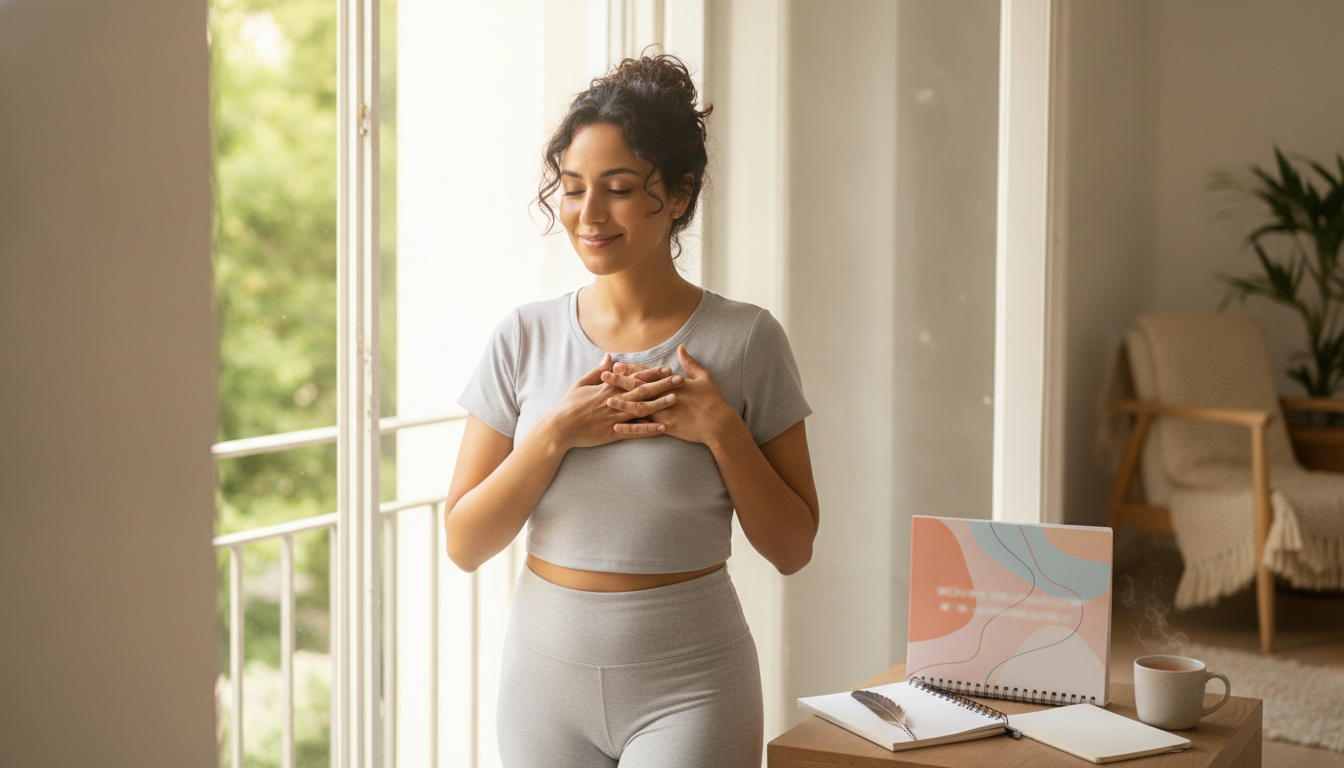
Body Confidence Blueprint: A Practical Guide to Stronger Self-Image and Everyday Confidence
Body confidence isn’t a switch that flips after a compliment or a “perfect” photo. It’s a skill built through daily choices: how the body is spoken to, how comparisons are handled, and how comfort is practiced in real life. This guide breaks body confidence into workable steps—thought patterns, habits, and small exposures—so confidence can grow even on days when motivation is low.
What Body Confidence Really Means (and What It Doesn’t)
Body confidence is best understood as trust and respect for your body—not constant excitement about how it looks. It’s the ability to stay on your own side: to treat your body as a home you live in, not a project that must be “fixed” before life begins.
It also means separating self-worth from appearance-based approval. Social feedback loops (likes, comments, praise, criticism) can train the mind to chase “acceptable” looks. Confidence grows when worth isn’t negotiated through other people’s reactions.
Importantly, confidence can coexist with mixed emotions. Some days feel body-neutral: you don’t love everything, but you can still show up, get dressed, and participate. That’s not failure—that’s stability.
Confidence isn’t the same as satisfaction (liking how you look) or self-esteem (overall sense of value). Body confidence is more specific: it’s the steady ability to care for yourself and stay engaged with life even when appearance thoughts flare up.
Why Self-Image Gets Shaky: Common Triggers and Patterns
Body confidence can dip for predictable reasons: social media comparisons, harsh lighting and mirrors, changing seasons, upcoming events, and “before/after” content that frames bodies as problems to solve. These triggers often activate body checking—mirror looping, pinching, and scale fixation—which can temporarily soothe anxiety while reinforcing it long-term.
Another common pattern is all-or-nothing thinking: “If I don’t look perfect, I should hide.” This shrinks life—less movement, fewer photos, fewer plans—until confidence is measured only by avoidance. Add internalized standards from family comments, peer culture, and media messaging, and it makes sense why self-image can feel fragile.
Triggers and healthier replacements
| Trigger | What it tends to create | A steadier replacement habit |
|---|---|---|
| Scrolling highly edited images | Comparison, shame, urgency to change | Curate feed; set time limits; follow diverse bodies and skill-based creators |
| Mirror checking before leaving | Anxiety spike; outfit spirals | Set a 2-minute getting-ready timer; use a “good enough” outfit formula |
| Scale fluctuations | Mood swings; harsh self-talk | Reduce frequency; track non-scale markers (energy, strength, sleep) |
| Clothes not fitting as expected | Catastrophic thoughts; avoidance | Keep a range of sizes; treat fit as data, not a verdict |
| Comments about weight/looks | Rumination; self-criticism | Boundary scripts; redirect conversation; self-compassion reset |
The Mindset Reset: Rewriting the Inner Commentary
Body confidence strengthens when the inner critic is identified as a mental habit—not a truth-teller. A practical step is to name the voice (e.g., “the judge,” “the editor,” “the comparer”). Naming creates distance, which makes choices possible.
Next, use cognitive reframes. When the mind launches appearance judgments, shift toward function and values: what your body lets you do, what you want your day to stand for, and what matters beyond a snapshot. If positivity feels forced, neutral language works better: “My body is here with me today,” or “I’m allowed to take up space.”
Quick tools that help in real time:
- Thought labeling: “That’s a comparison thought,” or “That’s mind-reading.”
- Compassionate counterstatement: “I’m having a hard moment, and I can still be kind to myself.”
- Both/and thinking: “I feel self-conscious and I can still go.”
For more structured exercises and prompts that make these skills repeatable, Body Confidence Blueprint | Ebook Guide on How to Build Body Confidence, Self-Image & Everyday Confidence organizes the mindset work into simple practices you can return to when triggers spike.
Daily Confidence Practices That Actually Stick
Consistency beats intensity. A short routine done most days builds more confidence than an occasional “fresh start” overhaul.
A 5-minute morning routine
Create a “confidence micro-list”
One boundary per week
Minimum viable care for low-energy days
If structured routines help motivation stay steady, AI Productivity Systems for Teams Ebook | Practical AI Workflow Guide for Modern Teams | Digital Download can be repurposed for personal habit planning—turning “I’ll do it sometime” into a simple weekly system.
Comfort in Your Body: Exposure Without Overwhelm
Supportive Environment: People, Media, and Language
Supportive movement and nourishment focus on well-being, not punishment. If you want evidence-based background on body image and self-esteem, explore the American Psychological Association’s body image resources, NEDA’s body image information, and Mayo Clinic’s tips for improving body image.
Using the Body Confidence Blueprint Ebook as a Step-by-Step Plan
A plan reduces decision fatigue. The Body Confidence Blueprint | Ebook Guide on How to Build Body Confidence, Self-Image & Everyday Confidence works best as a structured program: repeatable exercises, short routines, and prompts that turn insights into habits.
FAQ
How long does it take to build body confidence?
It varies, but noticeable shifts can happen within a few weeks when small practices are consistent. Look for progress markers like less checking, more participation, and calmer self-talk rather than a sudden “perfect confidence” feeling.
What if body positivity feels fake or uncomfortable?
Body neutrality is a solid alternative: respect-based language, function-focused reframes, and basic care without forcing upbeat affirmations. Confidence grows from consistency and kindness, not from pretending every day feels great.
Can body confidence improve without changing weight or appearance?
Yes. Skills like setting boundaries, reducing comparison inputs, practicing gradual exposure, and reframing inner commentary can increase confidence independent of body changes.
Recommended for you



Cold Weather EV Range Loss: Winter Driving Guide
Jul 31, 2026











Leave a comment