-
Shop
- Advanced Technologies
- AI Career Advantage Collection
- AI Skills Mastery 2026 Collection
- Arts, Crafts & Hobbies
- Bathroom
- Best-Sellers
- Car Accessories
- Dating & Social Skills
- Denim
- 7FOR
- AGOLDE
- Antony Morato
- Armani Exchange
- Boss
- Brunello Cucinelli
- Calvin Klein Jeans
- Costume National
- Desigual
- Diesel
- Dolce & Gabbana
- Dsquared²
- Ermanno Scervino
- Fendi
- Gianni Lupo
- Guess Jeans
- Ichi
- Just Cavalli
- Lee
- Levi's
- Liu Jo
- Morgan De Toi
- Mother Denim
- Only
- Pepe Jeans
- Pinko
- Replay
- Valentino
- Vero Moda
- Digital Resources
- Education & Learning
- Family & Parenting
- Fashion
- Furniture
- Gadgets
- Health & Beauty
- Health & Wellness
- Home & Garden
- Kids & Babies
- Kitchen
- Lighting
- Patio, Lawn & Garden
- Personal Growth
- Pet Care
- Pet Supplies
- Pets
- Sport & Outdoors
- TikTok Growth & Monetization Mastery
- Travel
- Wealth
- Popular
- Best deals
Eat Well in Expensive Cities on a Travel Food Budget
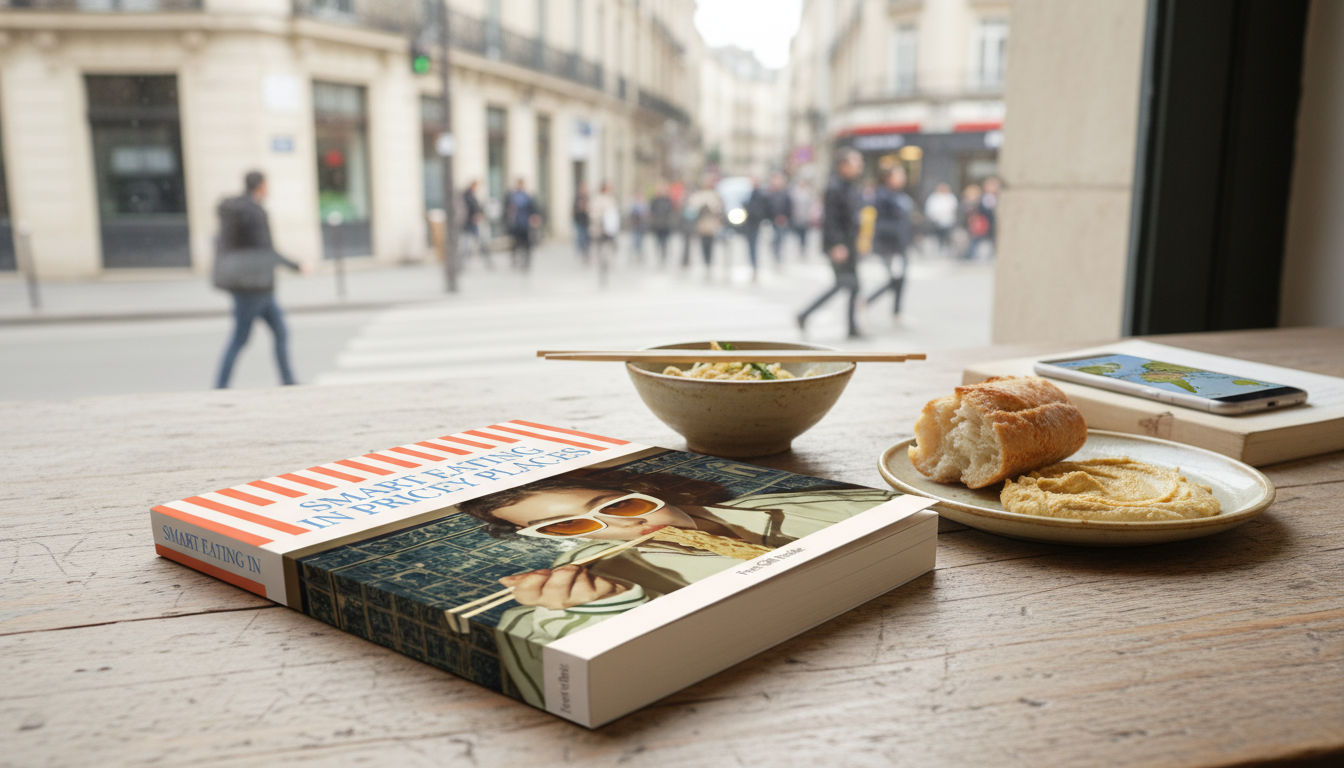
Smart Eating in Pricey Places: Eat Well on a Travel Food Budget
High-cost cities can turn every meal into a budget breaker, but great food doesn’t have to be expensive. With a few practical habits—timing, location, portion strategy, and smart grocery picks—daily costs can drop fast without living on snacks. Use the system below to keep meals satisfying, local, and affordable while traveling through expensive destinations.
Why expensive cities feel harder on food budgets
Food costs spike in expensive cities for reasons that have nothing to do with your appetite. The good news: most of the “extra” you’re paying for is predictable, which makes it easier to avoid.
- Tourist zones stack costs: higher rents, higher menu prices, and fewer low-cost options—especially within a few blocks of major attractions.
- Portions and drinks quietly double totals: appetizers, bottled water, cocktails, and “service” add-ons can inflate a bill more than the main dish.
- Convenience traps: buying food when hungry and rushed leads straight to the priciest choices (airport snacks, convenience stores, hotel mini-marts).
- No-plan dining is usually the most expensive pattern: a mix of groceries, one standout restaurant meal, and strategic snacks typically costs less than eating out for every meal.
The 3-part daily plan: one highlight meal, one value meal, one flexible meal
Instead of trying to “eat cheap” all day (and ending up hungry), map your day around three roles. This keeps spending intentional while still leaving room for local favorites.
- Pick one highlight meal: a local specialty or a spot worth the splurge. Protect that line item and enjoy it without guilt.
- Make one meal a value target: lunch specials, market stalls, bakeries, soup/noodle shops, cafeterias, and food courts can deliver big flavor for less.
- Keep one meal flexible: groceries, leftovers, or a shared plate—use it to balance the day if costs run high.
- Use a simple cap: decide a daily food ceiling and allocate it across the three meals before stepping out.
Quick daily meal mapping (examples to mix and match)
| Meal type | Best time | Best places | Money-saver move |
|---|---|---|---|
| Highlight meal | Dinner | Neighborhood bistros, specialty shops, iconic local spots | Skip drinks; share an appetizer or dessert |
| Value meal | Lunch | Lunch menus, market counters, canteens, food halls | Choose set menus; order tap water if normal locally |
| Flexible meal | Breakfast or late snack | Grocery stores, bakeries, hotel kitchenette | Buy staples once; reuse across 2–3 days |
Where to eat for less without sacrificing local flavor
Finding affordable meals in pricey places is often about choosing the right “type” of venue—then going one neighborhood away from the obvious hotspots.
- Markets and food halls: competitive pricing, variety, and a chance to sample multiple cuisines in one stop.
- Bakeries and deli counters: reliable, filling, and often cheaper than sit-down breakfasts.
- Neighborhood streets 10–20 minutes outside the core: fewer tourist markups and more everyday pricing.
- University areas and business districts: lunch crowds create value combos and faster turnover (often fresher food at better prices).
- Cultural centers and museums: some have reasonably priced cafeterias compared with nearby restaurants.
Timing tactics that reduce the bill
In many expensive cities, the same restaurant can feel “cheap” or “pricey” depending on the hour. Timing is a budget tool.
- Prioritize lunch over dinner for restaurants: many destinations offer lunch menus or prix fixe deals that cost far less than dinner.
- Arrive early for bakery picks and late for market markdowns: where common and permitted, end-of-day discounts can stretch your budget.
- Use “late breakfast” as budget brunch: one substantial meal can cover breakfast + lunch without feeling deprived.
- Avoid peak-time impulse buys: keep a snack on hand so you’re not forced into overpriced convenience stops.
Grocery strategy: the small basket that saves the whole trip
You don’t need a full kitchen to make groceries worthwhile. A small, repeatable grocery basket can cover breakfast and snacks for days and reduce the pressure to buy expensive “emergency food.”
For safe decisions about food and water on the road, review guidance from the CDC’s Food and Water Safety and the U.S. Department of State’s health and safety resources.
Ordering moves that cut costs at restaurants
A simple budget check-in to stay on track
Digital download: Smart Eating in Pricey Places
- Smart Eating in Pricey Places – Travel Food Budget Guide | How to Eat Cheap While Traveling in Expensive Cities | Digital Download (USD 9.99)
- Mindful Mornings with AI | Morning Mindfulness Exercises AI Ideas | Digital Guide to Calm, Clarity, and Focus (USD 10.99)
- Exploring the Future of Pet Technology | Digital eBook on Smart Pet Care & future pet tech trends (USD 13.99)
FAQ
How can meals stay affordable in expensive cities without feeling restrictive?
Use a daily structure: one highlight meal, one value meal, and one flexible meal based on groceries or leftovers. Focus on lunch deals, markets, and shared plates, and limit high-markup drinks and add-ons.
Is it cheaper to buy groceries or eat out while traveling?
A mix is usually best: groceries cover breakfast and snacks reliably, while one restaurant meal per day keeps things fun and local. The most expensive pattern is multiple sit-down meals plus convenience snacks in between.
What are the easiest grocery items for hotel-room meals?
No-cook staples like fruit, yogurt, bread or wraps, cheese, hummus, salad kits, and ready proteins (rotisserie chicken, tinned fish, tofu) work well with minimal tools. Add a refillable bottle where water is safe.















Leave a comment