-
Shop
- Advanced Technologies
- AI Career Advantage Collection
- AI Skills Mastery 2026 Collection
- Arts, Crafts & Hobbies
- Bathroom
- Best-Sellers
- Car Accessories
- Dating & Social Skills
- Denim
- 7FOR
- AGOLDE
- Antony Morato
- Armani Exchange
- Boss
- Brunello Cucinelli
- Calvin Klein Jeans
- Costume National
- Desigual
- Diesel
- Dolce & Gabbana
- Dsquared²
- Ermanno Scervino
- Fendi
- Gianni Lupo
- Guess Jeans
- Ichi
- Just Cavalli
- Lee
- Levi's
- Liu Jo
- Morgan De Toi
- Mother Denim
- Only
- Pepe Jeans
- Pinko
- Replay
- Valentino
- Vero Moda
- Digital Resources
- Education & Learning
- Family & Parenting
- Fashion
- Furniture
- Gadgets
- Health & Beauty
- Health & Wellness
- Home & Garden
- Kids & Babies
- Kitchen
- Lighting
- Patio, Lawn & Garden
- Personal Growth
- Pet Care
- Pet Supplies
- Pets
- Sport & Outdoors
- TikTok Growth & Monetization Mastery
- Travel
- Wealth
- Popular
- Best deals
Youthful Skin Science: Daily Habits for a Lasting Glow
Intro
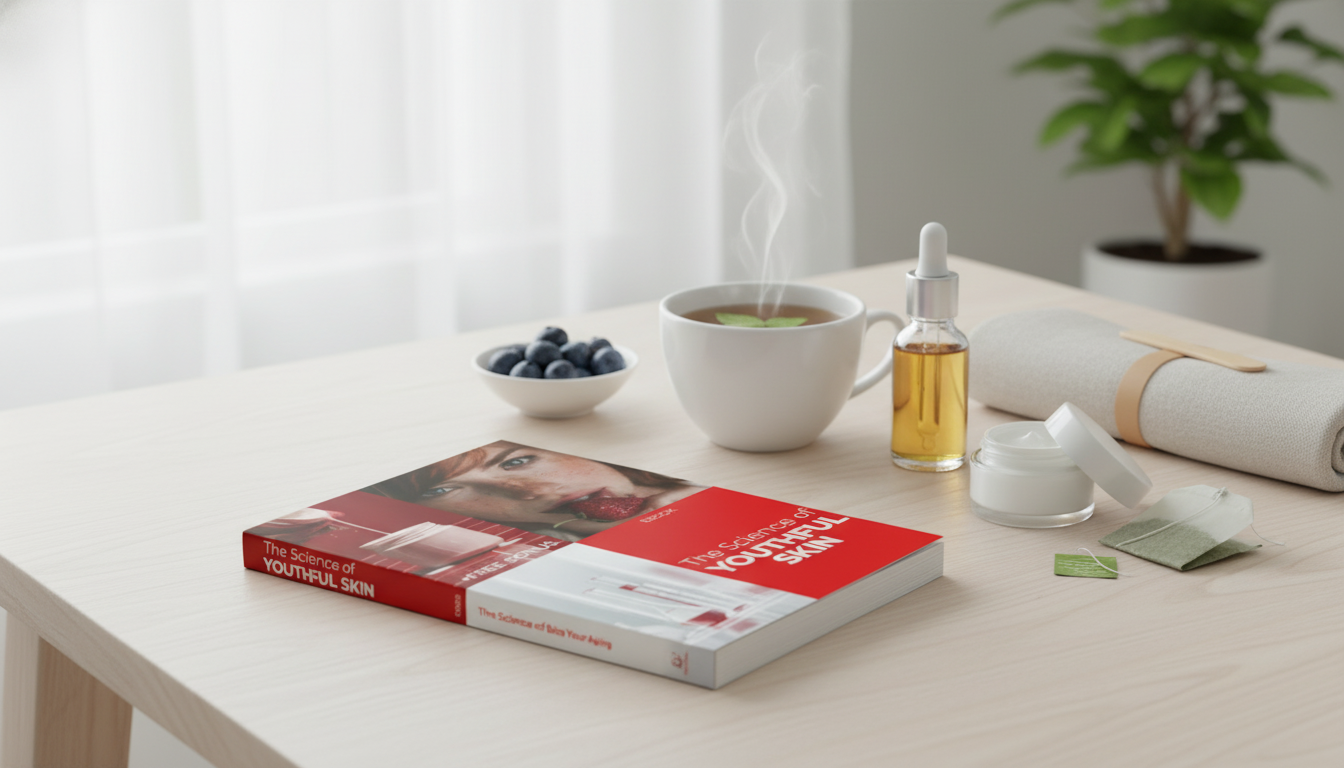
Youthful-looking skin is built less by quick fixes and more by daily biology: how the skin barrier holds water, how collagen and elastin respond to stress, how inflammation and oxidation accelerate wear, and how recovery restores bounce and clarity. The most reliable glow comes from habits that protect the barrier, reduce cumulative damage, and support repair—starting with sun protection, sleep, nutrition, movement, and stress regulation.
What actually makes skin look “younger”
When people describe “younger” skin, they’re usually reacting to a few measurable signals that reflect how well the skin is functioning day to day.
- Barrier strength: a well-functioning stratum corneum reduces transepidermal water loss, keeping skin plump and comfortable.
- Even tone: fewer UV-triggered pigment signals and less inflammation lead to a clearer, more uniform complexion.
- Texture and elasticity: collagen quality, elastin integrity, and hydration determine smoothness and “snap-back.”
- Microcirculation: healthy blood flow supports oxygen/nutrient delivery and the fresh look often described as glow.
- Low chronic inflammation: fewer flare-ups and less redness helps preserve long-term structure.
Daily non-negotiable: sunlight management
If there’s one lifestyle habit that reliably pays off for visible aging, it’s consistent sun protection. UV exposure accelerates photoaging—fine lines, uneven tone, rough texture, and loss of firmness—because it increases reactive oxygen species and triggers processes that degrade collagen over time.
- Broad-spectrum sunscreen helps prevent photoaging changes such as fine lines, uneven tone, and loss of firmness.
- UV exposure increases oxidative stress that can degrade collagen; antioxidants and protective clothing add another layer of defense.
- Incidental daylight counts: window exposure and short outdoor errands add up; consistency matters more than intensity.
- Practical routine: morning SPF, reapply for extended outdoor time, and pair with shade/hats/sunglasses.
For sunscreen guidance that’s easy to follow, the American Academy of Dermatology Association breaks down what broad-spectrum means and how to use sunscreen effectively.
Lifestyle habits that protect collagen and glow
| Habit | Skin science in plain terms | How often |
|---|---|---|
| Broad-spectrum sunscreen | Reduces UV-driven collagen breakdown and pigment signaling | Daily; reapply with prolonged outdoor exposure |
| Regular sleep schedule | Supports overnight repair and lowers stress mediators that impair barrier function | Most nights (7–9 hours for many adults) |
| Protein + vitamin C foods | Provides building blocks and cofactors used in collagen formation | Daily |
| Strength + cardio movement | Improves circulation and metabolic health; may support skin appearance via systemic benefits | Most days (mix weekly) |
| Stress downshifts (breathwork, walks) | Lowers chronic stress signaling that can worsen inflammation and breakouts | Daily or as needed |
| Gentle cleansing + moisturize | Preserves lipids and reduces water loss for smoother texture | AM/PM |
Sleep: the repair window that shows on your face
Sleep is when recovery becomes visible. During healthy sleep, repair processes support barrier renewal and help calm inflammatory signaling. When sleep is short or irregular, many people notice next-day dullness, under-eye darkness, and increased sensitivity.
- During healthy sleep, recovery processes support barrier renewal and help calm inflammatory signaling.
- Short or irregular sleep can increase dullness, under-eye darkness, and sensitivity the next day.
- Create a skin-friendly sleep setup: cooler room temperature, consistent bedtime, and reduced late-night alcohol.
- Simple night routine: gentle cleanse, moisturize, and avoid experimenting with multiple new actives at once.
For a deeper look at why sleep changes with age—and why consistency matters—the National Institute on Aging offers practical, research-informed guidance.
Nutrition for collagen support and a calmer complexion
Skin is built from what’s available: amino acids, essential fats, micronutrients, and steady energy. A “glow” often reflects stable hydration, lower inflammation, and fewer blood-sugar spikes that can leave skin looking puffy, sallow, or reactive.
- Prioritize protein at meals to support tissue maintenance; pair with vitamin C-rich foods for collagen synthesis support.
- Colorful plants supply polyphenols and carotenoids that help manage oxidative stress linked to aging signs.
- Omega-3 fats (fatty fish, chia, flax, walnuts) may support inflammation balance and comfort in dry or reactive skin.
- Stabilize blood sugar swings to reduce glycation pressure that can contribute to stiffness and loss of radiance over time.
- Hydration supports surface plumpness; add electrolytes or hydrating foods when sweating more.
If you want a simple, flexible framework for balanced meals, Harvard T.H. Chan School of Public Health outlines a practical plate model that pairs well with skin-supportive goals.
Movement and circulation: glow that comes from inside
Movement supports microcirculation and overall metabolic health—two factors that often show up in skin clarity and “freshness.” The goal isn’t perfection; it’s regularity.
Stress, inflammation, and the skin barrier
Gentle skincare habits that amplify lifestyle results
Small upgrades worth adding to your routine
- Soft Striped Coral Fleece Face Towel for gentler drying that helps reduce friction on reactive or dry skin.
- Mindful Mornings with AI | Morning Mindfulness Exercises AI Ideas | Digital Guide to Calm, Clarity, and Focus for simple daily downshifts that can help tame stress-driven flare patterns.
- The Science of Youthful Skin: Anti-Aging Lifestyle Habits for Glowing Skin if you want a structured, lifestyle-first approach you can follow week to week.
A realistic 7-day reset for a healthier glow
FAQ
Which lifestyle habit makes the biggest difference for visible aging?
Daily UV protection tends to make the biggest long-term difference because it reduces cumulative damage. Next, sleep consistency supports recovery so skin looks calmer, brighter, and less depleted.
How long does it take for lifestyle changes to show on skin?
Some shifts—like better hydration, less irritation, and improved sleep—can show within days. More durable changes in tone, texture, and firmness often take 6–12+ weeks of steady consistency.
Can stress really cause wrinkles or breakouts?
Stress can amplify inflammation, disrupt the barrier, and alter oil regulation, which may worsen breakouts and sensitivity. It can also make fine lines look deeper temporarily due to dehydration and tension patterns.
Recommended for you


Eat Well in Expensive Cities on a Travel Food Budget
May 13, 2026












Leave a comment