-
Shop
- Advanced Technologies
- AI Career Advantage Collection
- AI Skills Mastery 2026 Collection
- Arts, Crafts & Hobbies
- Bathroom
- Best-Sellers
- Car Accessories
- Dating & Social Skills
- Denim
- 7FOR
- AGOLDE
- Antony Morato
- Armani Exchange
- Boss
- Brunello Cucinelli
- Calvin Klein Jeans
- Costume National
- Desigual
- Diesel
- Dolce & Gabbana
- Dsquared²
- Ermanno Scervino
- Fendi
- Gianni Lupo
- Guess Jeans
- Ichi
- Just Cavalli
- Lee
- Levi's
- Liu Jo
- Morgan De Toi
- Mother Denim
- Only
- Pepe Jeans
- Pinko
- Replay
- Valentino
- Vero Moda
- Digital Resources
- Education & Learning
- Family & Parenting
- Fashion
- Furniture
- Gadgets
- Health & Beauty
- Health & Wellness
- Home & Garden
- Kids & Babies
- Kitchen
- Lighting
- Patio, Lawn & Garden
- Personal Growth
- Pet Care
- Pet Supplies
- Pets
- Sport & Outdoors
- TikTok Growth & Monetization Mastery
- Travel
- Wealth
- Popular
- Best deals
Become a Personal Stylist: Skills, Pricing & First Clients

The Path to Becoming a Personal Stylist: A Step-by-Step Roadmap From Skills to First Clients
Personal styling blends fashion knowledge, client psychology, and practical business systems. This guide lays out a clear progression—from building core styling skills to packaging services, pricing, and landing paying clients—so a new stylist can move from “learning” to “operating” with confidence.
What a Personal Stylist Actually Does
Personal styling is focused on real people and real wardrobes. Unlike fashion styling (editorial) that serves a shoot concept, or wardrobe consulting that may stay purely strategic, personal styling typically combines style clarity with hands-on implementation. Personal shopping is often one piece of the service—rather than the entire job.
Common client goals include building confidence, solving fit frustrations, dressing for a new job or lifestyle change, upgrading workwear, planning special-event outfits, or creating capsule wardrobes that reduce daily decision fatigue. The deliverables tend to be practical and repeatable: a style discovery session, a closet edit, outfit planning, shopping lists, try-ons, a simple lookbook, and optional ongoing support.
Stylists work in different formats: in-person sessions, virtual sessions, or a hybrid workflow where discovery happens online and shopping happens locally (or via shoppable links).
Foundational Skills That Make Styling Results Repeatable
Fit and proportion
Fit is where styling becomes tangible. Learn to spot shoulder seams that sit correctly, waist placement that matches a client’s torso length, and pant rises that support comfort and posture. Know your quick fixes: hemming, tapering, sleeve shortening, adding structure with a blazer, or balancing volume with a streamlined base layer.
Color basics
Understand undertone vs. overtone, contrast levels, and how to build outfits with a “hero” color plus reliable neutrals. Keep it practical: a client doesn’t need a full color theory lecture—they need outfits that look intentional in their lighting and lifestyle.
Style language
Clients often speak in broad labels (“classic,” “edgy,” “polished”). Translate that into silhouettes, fabrics, and details: sharp lapels vs. soft knits, matte vs. shine, tailored vs. relaxed, minimal hardware vs. statement accessories.
Client communication
Strong results come from a clear intake, expectation setting, and decision support. Give options without overwhelming: three great picks beat thirty “maybes.” Summarize decisions in writing so clients can repeat the logic later.
Ethics and boundaries
Use body-neutral language, support size inclusivity, respect budgets, and protect privacy—especially when handling client photos. Make consent and confidentiality part of your standard process, not an afterthought.
Choose a Focus: Niche, Audience, and Signature Method
A niche isn’t a cage—it’s a shortcut to clarity. Pick a primary audience you understand (busy professionals, new moms, creatives, men’s style, plus-size clients, modest fashion, etc.). Then define the “before/after” promise in plain language, such as: “Get dressed in 5 minutes with a 25-piece wardrobe that actually fits.”
Build a repeatable method you can explain in one breath: discovery → edit → fill gaps → outfit plan → maintenance. That structure makes your services easier to sell and easier to deliver consistently.
Services to Offer (and What to Include in Each)
| Service | Typical duration | Client outcome | Deliverables |
|---|---|---|---|
| Style Discovery Session (virtual/in-person) | 60–90 minutes | Clarity on preferences and priorities | Intake review, style goals, inspiration board direction, next-step plan |
| Closet Edit | 2–4 hours | A wearable, organized wardrobe | Keep/tailor/donate decisions, gap list, outfit opportunities |
| Personal Shopping | 2–4 hours | Outfits that fit budget, lifestyle, and body | Pre-selected options, try-on support, purchase plan, returns checklist |
| Capsule Wardrobe Package | 1–3 weeks (hybrid) | Simplified wardrobe with multiple outfits | Gap-fill shopping list, outfit formulas, digital lookbook |
Pricing Without Guesswork
For business basics that keep you compliant as you grow, bookmark the U.S. Small Business Administration guide to writing a business plan, review the FTC’s advertising and marketing basics, and keep the IRS Self-Employed Tax Center handy for recordkeeping and tax responsibilities.
Getting First Clients: Simple, Consistent Marketing That Fits a Beginner Schedule
Tools, Templates, and Workflow for Virtual Styling
A Practical 30-Day Roadmap to Launch
A Guided Shortcut: A Digital Roadmap for Building a Styling Career
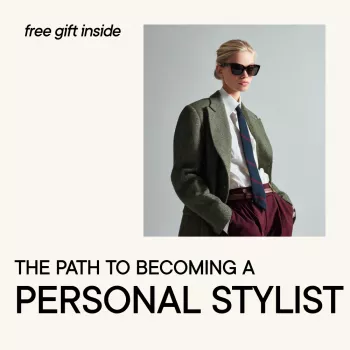
If a more structured path would help, The Path to Becoming a Personal Stylist (digital guide) organizes skills, services, pricing, and client-getting steps into one place. It’s designed to support both in-person and virtual workflows—especially helpful when you want to avoid common stalls like unclear offers, inconsistent processes, and underpricing.
To support consistent routines while building your business, consider pairing your launch plan with Mindful Mornings with AI | Morning Mindfulness Exercises AI Ideas | Digital Guide to Calm, Clarity, and Focus for a simple structure that makes weekly outreach and client delivery easier to sustain.
FAQ
Do personal stylists need a certification to start?
Certification is usually optional; clients tend to care more about results, a clear process, and a small portfolio that proves you can deliver. Even without a styling license requirement, local business rules (like registering a business name or collecting sales tax on certain services) may still apply.
How much should a beginner personal stylist charge?
Start by pricing time plus prep, since research, linking, and follow-ups are often as time-intensive as the session itself. Many beginners begin with a paid starter session and then graduate clients into packages, adjusting for local market rates and whether you’re working virtually or in person.
How can a new stylist get clients fast without a big following?
Focus on warm outreach, a low-friction entry offer (clarity call or mini consult), and showing outcomes with testimonials and small case studies. Add partnerships with adjacent providers like photographers or tailors to tap into trusted networks quickly.












Leave a comment