-
Shop
- Advanced Technologies
- AI Career Advantage Collection
- AI Skills Mastery 2026 Collection
- Arts, Crafts & Hobbies
- Bathroom
- Best-Sellers
- Car Accessories
- Dating & Social Skills
- Denim
- 7FOR
- AGOLDE
- Antony Morato
- Armani Exchange
- Boss
- Brunello Cucinelli
- Calvin Klein Jeans
- Costume National
- Desigual
- Diesel
- Dolce & Gabbana
- Dsquared²
- Ermanno Scervino
- Fendi
- Gianni Lupo
- Guess Jeans
- Ichi
- Just Cavalli
- Lee
- Levi's
- Liu Jo
- Morgan De Toi
- Mother Denim
- Only
- Pepe Jeans
- Pinko
- Replay
- Valentino
- Vero Moda
- Digital Resources
- Education & Learning
- Family & Parenting
- Fashion
- Furniture
- Gadgets
- Health & Beauty
- Health & Wellness
- Home & Garden
- Kids & Babies
- Kitchen
- Lighting
- Patio, Lawn & Garden
- Personal Growth
- Pet Care
- Pet Supplies
- Pets
- Sport & Outdoors
- TikTok Growth & Monetization Mastery
- Travel
- Wealth
- Popular
- Best deals
Passport Art Notebook: Cotton Watercolor + DuPont Pages
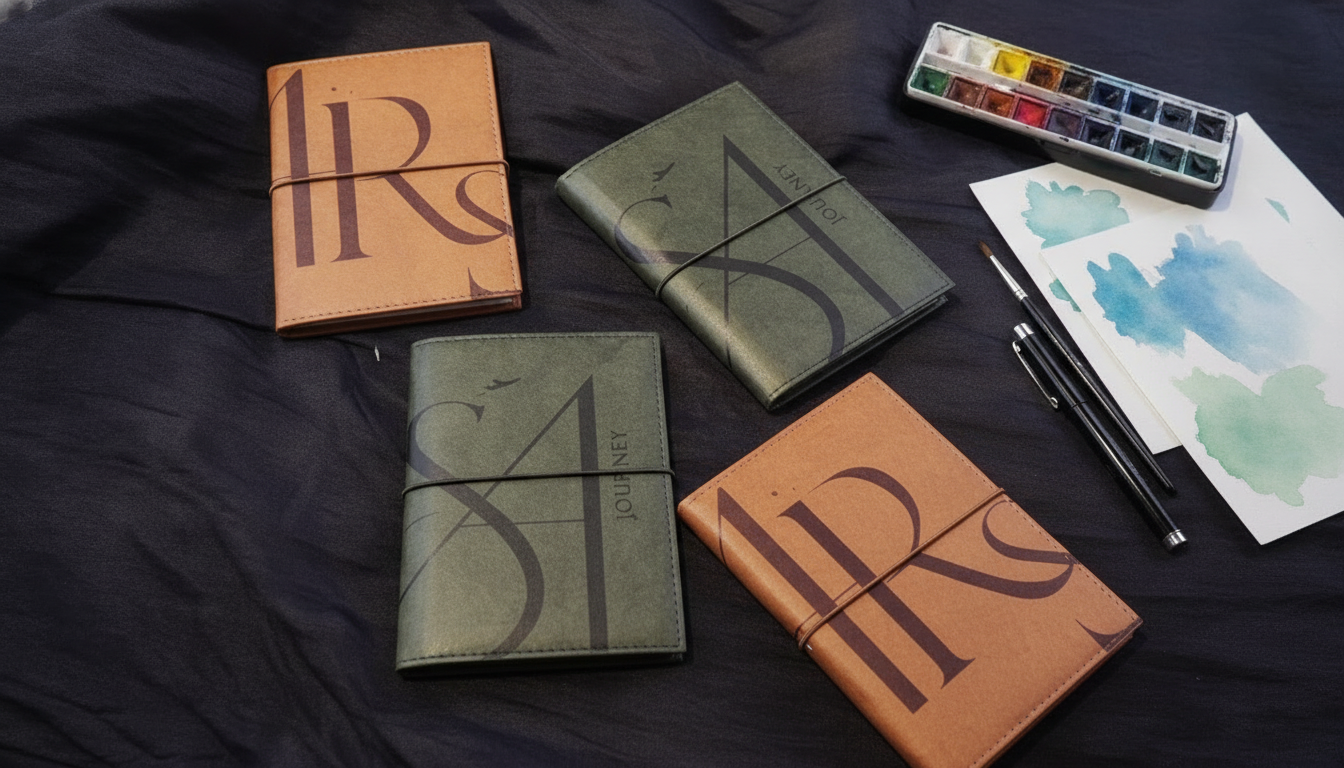
Cotton Watercolor Paper + DuPont Paper Portable Passport Notebook
A passport-size notebook can be the difference between “I’ll sketch it later” and actually capturing what you see in the moment. The Cotton Watercolor Paper DuPont Paper Portable Passport Notebook combines two page types—cotton watercolor paper for expressive painting and DuPont-style paper for rugged notes—so you can switch surfaces depending on the day, the weather, and the tools in your pocket.
This compact format is designed for sketching on the move: quick washes at a café, line-and-wash in a museum, or travel notes that won’t fall apart when conditions get messy.
What Makes a Passport-Size Art Notebook Useful
Small notebooks earn their keep when life is moving. A passport-size book fits into jacket pockets and small bags, so it’s ready during commuting, museum visits, hikes, or long travel days when pulling out a full pad would feel like “a whole thing.”
- Pocket-friendly format: easy to carry, easy to open, and comfortable to hold while standing.
- Quick setup: open, paint or write, close—minimal gear required.
- Visual diary potential: thumbnails, color tests, labels, and location notes live together.
- Efficient page size: encourages faster studies and typically needs less paint and water.
For artists building a daily habit, a small page lowers the pressure: one good shape study or a tiny color strip still “counts,” even on busy days.
Cotton Watercolor Paper: Feel, Flow, and Color
Cotton watercolor paper is loved for how it handles water. Compared to typical wood-pulp sketch paper, cotton sheets generally accept washes more gracefully, supporting smoother gradients and softer edges—especially when you’re working wet-on-wet.
- Absorption and flow: helps create even transitions and gentle blooms.
- Resilience: often tolerates light lifting and gentle reworking (results vary based on sizing and texture).
- Great for: watercolor, gouache, ink-and-wash, light mixed media, and swatch cards.
If you like a classic watercolor feel, cotton pages are typically where you’ll reach first. For a deeper overview of what matters in watercolor paper (texture, sizing, and more), Royal Talens has a helpful guide: Watercolor paper: what to look for.
Cotton watercolor paper vs. DuPont-style paper (quick differences)
| Feature | Cotton watercolor paper | DuPont-style paper |
|---|---|---|
| Water handling | Absorbent; supports washes and gradients | Water-resistant; tends to repel/slow-absorb |
| Dry time | Moderate; depends on wash size | Often faster on the surface, but can smear until set |
| Texture | May be cold press/hot press style surface | Smooth, synthetic-like surface |
| Best for | Watercolor, gouache, ink wash | Ink, markers, travel notes, splash-proof field use |
| Durability | Strong when wet but can pill if overworked | Tear-resistant; resists wrinkling and splashes |
DuPont-Style Paper: Tough, Splash-Resistant Pages
DuPont-style paper is built for durability—ideal for travel conditions where rain, spills, or sweaty hands happen. The surface is typically smoother and more water-resistant than cotton watercolor paper, making it a solid choice for utility pages that need to stay readable.
- Travel-ready toughness: resists tearing and handles rough handling.
- Great for: checklists, maps, packing notes, and field sketches where sturdiness matters.
- Pen-friendly (with testing): fine liners, gel pens, and some markers can work well—always test for feathering and dry time.
- Practical studies: quick value sketches and palette notes when conditions are unpredictable.
For technique refreshers—especially if you’re mixing line, wash, and layered effects—Tate’s overview of watercolor approaches is a useful reference: Watercolour techniques.
Best Tools to Pack With a Portable Passport Notebook
Keeping your kit small makes it more likely you’ll actually carry it. A passport notebook pairs best with tools that don’t leak, don’t rattle, and don’t require a full setup.
- Minimal watercolor kit: 6–12 half pans, a travel brush, a small water bottle, and a folding cup.
- Pens that travel well: waterproof fineliner for linework; gel pen for labels; pencil for planning.
- One small cloth or paper towel: for controlling moisture and lifting highlights.
- Binder clip or elastic band: keeps pages steady outdoors on windy days.
- Scrap test sheet: test color strength and drying behavior before committing to a spread.
If your sketching routine includes biking to parks or meetups, pairing your pocket kit with compact essentials can help you stay ready. A practical add-on for commuting is the High-Pressure Portable Bike Floor Pump 160 PSI with Dual-Valve Head for quick tire checks before heading out.
Simple Page Layout Ideas for Daily Carry
Small pages shine when you use repeatable layouts. The goal is to remove friction: you open the book and already know what to do.
Care Tips: Keeping Pages Clean and Paintings Intact
If you like to study from collections and drawing practice resources, the Smithsonian American Art Museum has sketchbook- and learning-related materials worth browsing: Smithsonian American Art Museum.
Quick Checklist: Is This the Right Notebook Style
FAQ
Can watercolor be used on DuPont-style paper pages?
Yes—especially for light washes and quick effects—but it won’t behave like cotton paper. Paint may bead or sit on the surface longer, so test a small swatch first and use less water than usual.
Will ink lines stay crisp when painting over them?
They can, if you use waterproof pigment liners and let the ink fully dry before washing. Because dry time and smudge resistance vary by pen and surface, test on both page types before doing a full spread.
How can page transfer be prevented when closing the notebook?
Let your work dry completely, and use a thin interleaving sheet (blotter paper or a clean scrap) if you’re packing up quickly. For pens and markers on DuPont-style paper, allow extra time for the ink to set before closing.
Recommended for you
Vinegar vs. Hydrogen Peroxide: Best Grout Cleaner
Jul 19, 2026
Apple House Kitten Plush: Detachable Cat Toy & Decor
Jul 19, 2026











Leave a comment