-
Shop
- Advanced Technologies
- AI Career Advantage Collection
- AI Skills Mastery 2026 Collection
- Arts, Crafts & Hobbies
- Bathroom
- Best-Sellers
- Car Accessories
- Dating & Social Skills
- Denim
- 7FOR
- AGOLDE
- Antony Morato
- Armani Exchange
- Boss
- Brunello Cucinelli
- Calvin Klein Jeans
- Costume National
- Desigual
- Diesel
- Dolce & Gabbana
- Dsquared²
- Ermanno Scervino
- Fendi
- Gianni Lupo
- Guess Jeans
- Ichi
- Just Cavalli
- Lee
- Levi's
- Liu Jo
- Morgan De Toi
- Mother Denim
- Only
- Pepe Jeans
- Pinko
- Replay
- Valentino
- Vero Moda
- Digital Resources
- Education & Learning
- Family & Parenting
- Fashion
- Furniture
- Gadgets
- Health & Beauty
- Health & Wellness
- Home & Garden
- Kids & Babies
- Kitchen
- Lighting
- Patio, Lawn & Garden
- Personal Growth
- Pet Care
- Pet Supplies
- Pets
- Sport & Outdoors
- TikTok Growth & Monetization Mastery
- Travel
- Wealth
- Popular
- Best deals
Vinegar vs. Hydrogen Peroxide: Best Grout Cleaner
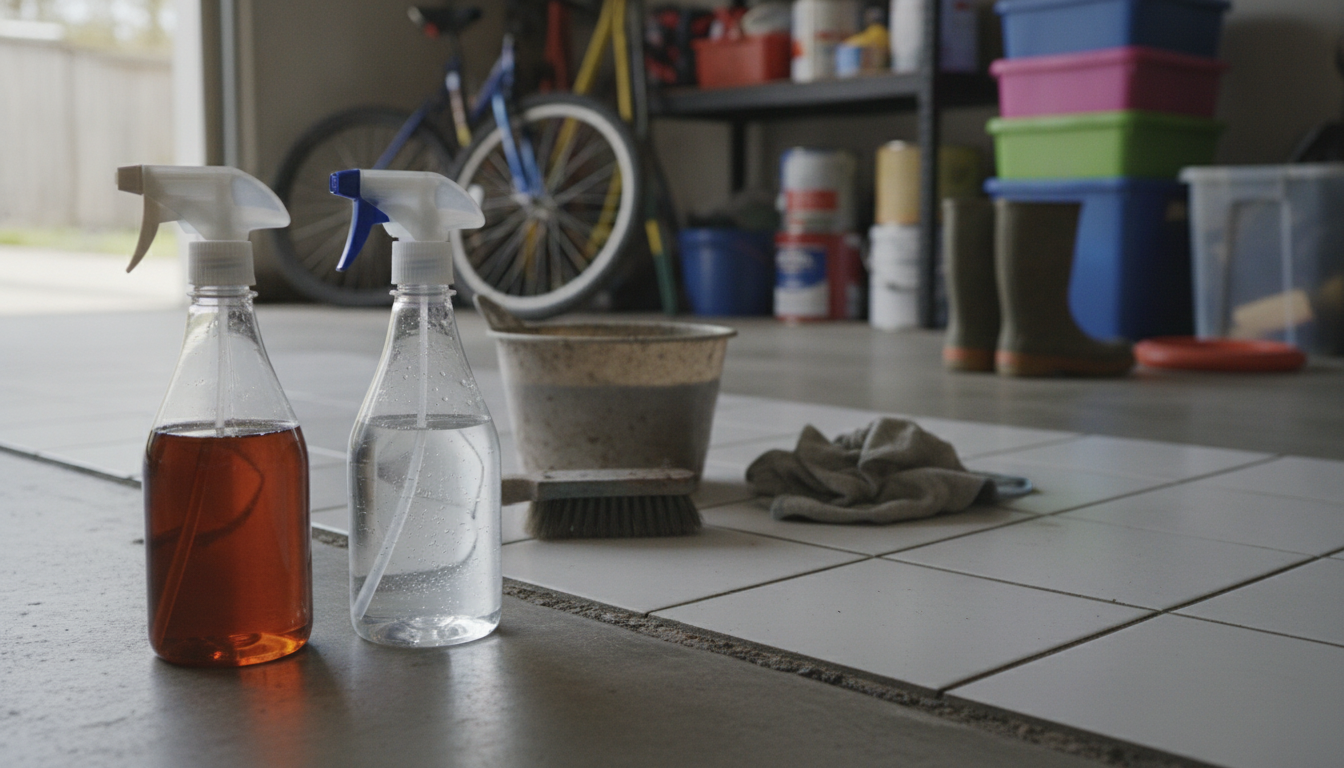
Is vinegar or hydrogen peroxide better for cleaning grout?
Hydrogen peroxide is usually better for cleaning grout because it’s an oxidizer that helps lift organic stains and brighten dingy lines, especially in bathrooms. Vinegar can help dissolve some mineral buildup and soap scum, but it’s acidic and can slowly etch natural stone and certain grout sealers, making it a riskier “go-to” cleaner.
When hydrogen peroxide is the better choice
For most routine grout discoloration on ceramic or porcelain tile, 3% hydrogen peroxide is a solid first option. It’s effective on mildew staining and everyday grime, and it doesn’t carry the same acid-related risks as vinegar on sensitive surfaces. Apply it to the grout, let it sit for several minutes, scrub with a soft grout brush, then rinse thoroughly and dry.
When vinegar can help (and when to avoid it)
Vinegar can be useful on non-stone tile when you’re dealing with hard-water film near grout lines, but it’s not ideal for sealed grout you’re trying to protect long-term. Avoid vinegar entirely on natural stone (like marble, travertine, limestone, or some slate) and test first if you’re unsure what your tile is made of.
Important safety note: never mix them
Do not combine vinegar and hydrogen peroxide in the same container or use them back-to-back without rinsing. Mixing them can create peracetic acid, which is irritating and unsafe to breathe or get on skin.
Make the clean last longer
After cleaning, drying the grout and maintaining a good sealer is key to reducing future discoloration. For a deeper walkthrough on why grout changes color, how to clean it safely, and when to repair or protect it, see this guide to bathroom grout discoloration, cleaning, repair, and protection.
FAQ
How do you keep grout from turning dark again?
Dry the area well after showers, improve ventilation, and use a grout sealer suited to your tile type. Regular gentle cleaning prevents oils and soap residue from embedding into the grout.















Leave a comment