-
Shop
- Advanced Technologies
- AI Career Advantage Collection
- AI Skills Mastery 2026 Collection
- Arts, Crafts & Hobbies
- Bathroom
- Best-Sellers
- Car Accessories
- Dating & Social Skills
- Denim
- 7FOR
- AGOLDE
- Antony Morato
- Armani Exchange
- Boss
- Brunello Cucinelli
- Calvin Klein Jeans
- Costume National
- Desigual
- Diesel
- Dolce & Gabbana
- Dsquared²
- Ermanno Scervino
- Fendi
- Gianni Lupo
- Guess Jeans
- Ichi
- Just Cavalli
- Lee
- Levi's
- Liu Jo
- Morgan De Toi
- Mother Denim
- Only
- Pepe Jeans
- Pinko
- Replay
- Valentino
- Vero Moda
- Digital Resources
- Education & Learning
- Family & Parenting
- Fashion
- Furniture
- Gadgets
- Health & Beauty
- Health & Wellness
- Home & Garden
- Kids & Babies
- Kitchen
- Lighting
- Patio, Lawn & Garden
- Personal Growth
- Pet Care
- Pet Supplies
- Pets
- Sport & Outdoors
- TikTok Growth & Monetization Mastery
- Travel
- Wealth
- Popular
- Best deals
Real Owner Pet Training Tips for Calm, Better Behavior
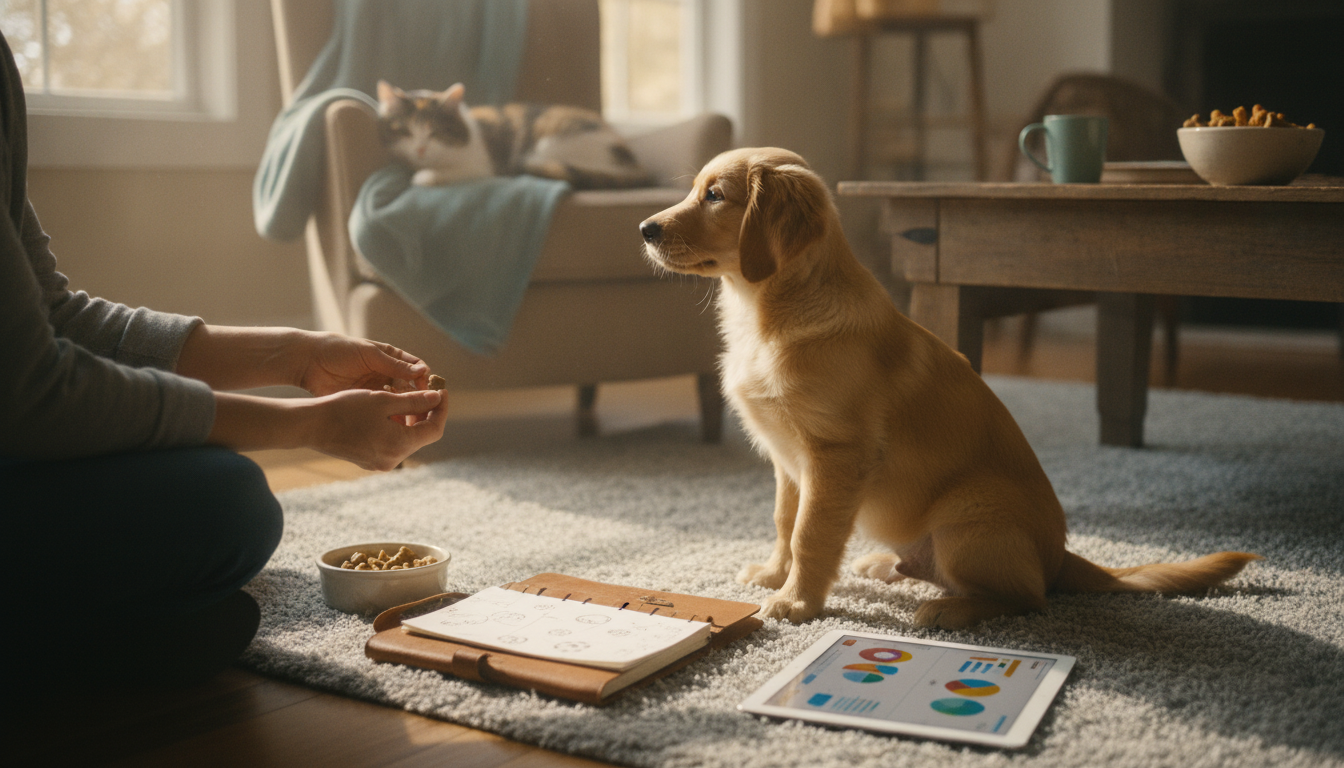
Real Pet Wisdom, From Owners: Practical Training, Behavior, and Everyday Lessons
Reliable pet advice often comes from daily life: what worked during the first week at home, how a jumping habit was replaced with calm greetings, or how an anxious pet learned to settle. This guide-style eBook collects owner-tested lessons and turns them into clear, repeatable approaches for training basics, shaping behavior, and building calmer routines at home.
What “real-owner wisdom” adds to typical pet training advice
Classic training tips are valuable, but they can feel incomplete when you’re dealing with real doorbells, real schedules, and a pet who’s having a big day. Owner-tested wisdom tends to focus on the small, practical details that make training actually stick.
- Day-to-day situations owners face most: greetings, leash habits, barking/meowing patterns, household boundaries, and handling routine changes.
- Small adjustments that create outsized wins: better timing, tighter consistency, and smarter environment setup instead of hoping for perfect conditions.
- Emotional needs alongside goals: noticing stress signals, choosing the right pace, and simplifying a plan before frustration builds.
- Realistic expectations for busy households: training that fits into normal life, not a temporary “boot camp.”
What’s inside: training, behavior, and everyday lessons
The eBook is organized around the skills that make home life smoother: clear communication, reliable routines, and alternatives to problem behaviors that are easy to reinforce.
- Training foundations: rewards, timing, and how to reinforce the behaviors that matter most.
- Household manners: calm greetings, preventing counter-surfing/stealing, and building reliable boundaries.
- Behavior patterns: understanding triggers, reducing unwanted habits, and installing alternative behaviors.
- Routine skills: settling, crate/space comfort, alone-time habits, and smoother transitions during travel or schedule changes.
- Owner-friendly techniques: short, repeatable sessions you can practice throughout the day.
Common challenges and owner-tested approaches
| Situation | Likely trigger | Practical adjustment | Skill to reinforce |
|---|---|---|---|
| Jumping on guests | Excitement + attention payoff | Pre-stage a leash or barrier; reward four paws on the floor before greetings | Calm greet / sit to say hello |
| Pulling on leash | Fast pace + interesting environment | Shorten distance to distractions; reward slack leash; pause when tension appears | Loose-leash walking |
| Barking at noises | Startle/alert response | Add a cue like “thank you”; redirect to a mat; reward quiet after the sound | Settle on a mat |
| Destructive chewing | Boredom, stress, teething | Rotate enrichment; puppy-proof zones; increase rest; provide legal chews | Chew appropriate items |
| Accidents indoors | Schedule mismatch, stress, incomplete habit | Tighten potty schedule; reward outside immediately; reduce roaming space | Go on cue / routine consistency |
| Resource guarding (mild) | Insecurity about losing items | Increase distance; trade-up games; avoid confrontations; seek pro help if intense | Voluntary release / trust building |
How to use the eBook for real-life progress (without overhauling your schedule)
Consistency beats intensity. The most sustainable plans are the ones you can repeat on a normal Tuesday.
- Pick one priority behavior and define success simply (example: “four paws down when someone enters”).
- Use micro-sessions: 30–90 seconds, a few times daily, often works better than one long session.
- Match rewards to difficulty: high-value rewards for hard situations, lower-value rewards for easy wins.
- Track patterns for a week: time of day, triggers, what improved the behavior, and what set it back.
- Adjust the environment first when possible (gates, mats, enrichment) so training is easier and setbacks are fewer.
For reward-based best practices and welfare-friendly training principles, the American Veterinary Society of Animal Behavior (AVSAB) and the ASPCA’s training resources are strong, science-aligned references.
Everyday lessons that strengthen behavior long-term
Many “problem behaviors” are really missing-skills problems: the pet doesn’t yet know what to do instead. Building a few everyday habits can lift multiple issues at once.
- Calm is a skill: teaching a “settle” or “place” behavior can reduce jumping, whining, and pacing.
- Predictability reduces stress: consistent routines and clear boundaries often improve behavior faster than corrections.
- Reinforce what you want to see: reward calm choices, quiet moments, and check-ins—especially around distractions.
- Enrichment prevents problems: puzzle feeding, sniff walks, and safe chew options can lower boredom-driven behaviors.
- Communication matters: stress signals like lip-licking, whale eye, freezing, or a tucked tail are information—use them to slow down and make the next rep easier.
When to bring in a professional (and how the eBook still helps)
Some challenges need hands-on support to keep everyone safe and to prevent rehearsal of risky behaviors.
- Seek qualified help for aggression, severe guarding, intense fear, or sudden behavior changes (medical issues can be involved).
- A professional can customize timing, safety setup, and desensitization—especially for high-risk behaviors.
- The eBook still helps by strengthening household routines, reinforcement habits, and consistency between sessions.
- Keep progress steady by writing down cues, rewards used, and the exact steps that worked at home.
Recommended eBooks (in stock)
If you want a practical, repeatable system built from real household scenarios, start here:
Who this eBook is best for
FAQ
Is this advice suitable for both dogs and cats?
Many principles translate well (reinforcement, routines, and environment setup), though some examples lean dog-focused. For cats, keep sessions shorter, use high-value rewards, and emphasize easy access to preferred resting spots, scratching options, and predictable routines.
How quickly should training results appear?
Some improvements can show up in a few days with consistent reinforcement, especially when you also adjust the environment. Habit change usually takes weeks, and progress depends on triggers, repetition, and your pet’s stress level.
Does this replace a trainer or behaviorist?
No—it’s practical guidance for common issues and household routines. For aggression, intense fear, severe resource guarding, or sudden behavior changes, professional help is the safest path.
Recommended for you



Waxed Jacket Waterproofing: How Long It Lasts
Jul 21, 2026












Leave a comment