-
Shop
- Advanced Technologies
- AI Career Advantage Collection
- AI Skills Mastery 2026 Collection
- Arts, Crafts & Hobbies
- Bathroom
- Best-Sellers
- Car Accessories
- Dating & Social Skills
- Denim
- 7FOR
- AGOLDE
- Antony Morato
- Armani Exchange
- Boss
- Brunello Cucinelli
- Calvin Klein Jeans
- Costume National
- Desigual
- Diesel
- Dolce & Gabbana
- Dsquared²
- Ermanno Scervino
- Fendi
- Gianni Lupo
- Guess Jeans
- Ichi
- Just Cavalli
- Lee
- Levi's
- Liu Jo
- Morgan De Toi
- Mother Denim
- Only
- Pepe Jeans
- Pinko
- Replay
- Valentino
- Vero Moda
- Digital Resources
- Education & Learning
- Family & Parenting
- Fashion
- Furniture
- Gadgets
- Health & Beauty
- Health & Wellness
- Home & Garden
- Kids & Babies
- Kitchen
- Lighting
- Patio, Lawn & Garden
- Personal Growth
- Pet Care
- Pet Supplies
- Pets
- Sport & Outdoors
- TikTok Growth & Monetization Mastery
- Travel
- Wealth
- Popular
- Best deals
Waxed Jacket Waterproofing: How Long It Lasts
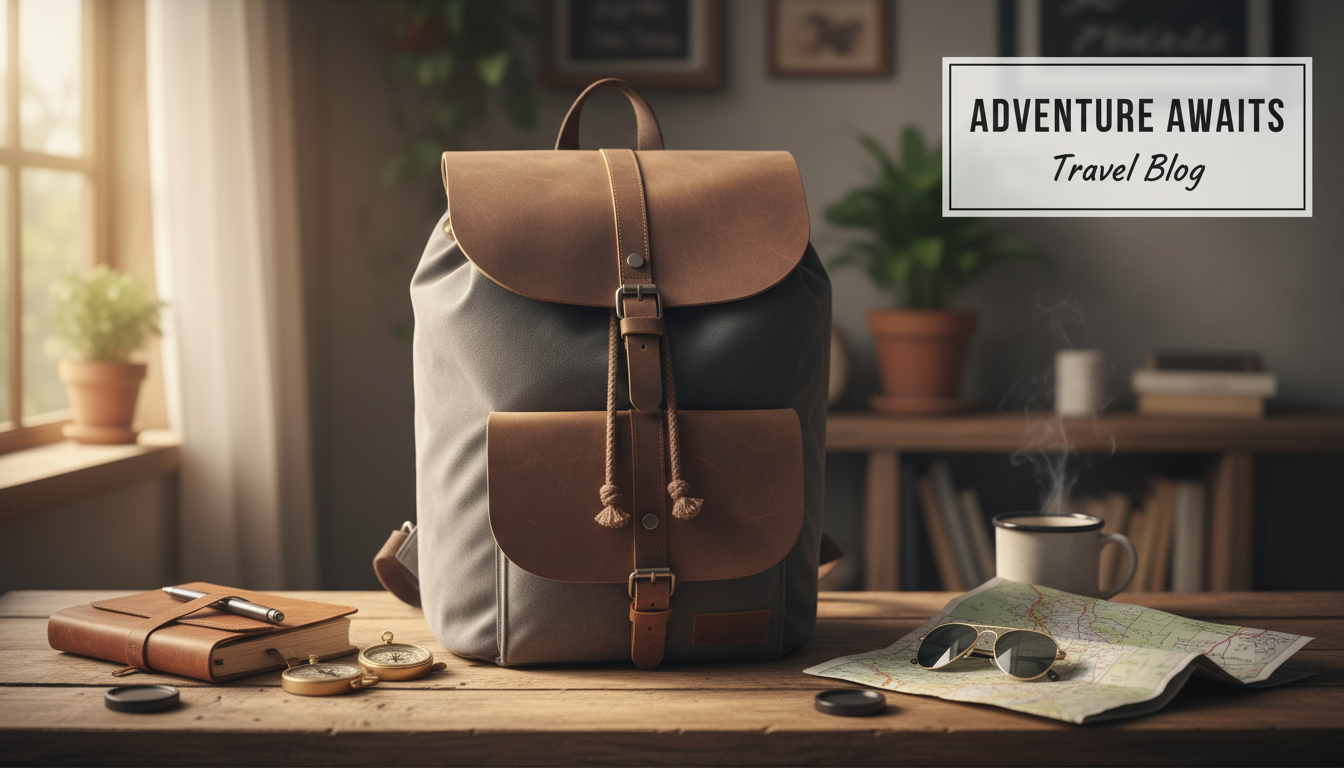
How long do waxed jackets stay waterproof?
A waxed jacket can stay effectively waterproof for anywhere from a few months to a few years, depending on how often it’s worn, how hard it’s used, and the conditions it faces. The wax finish doesn’t “expire” on a calendar schedule; it slowly wears off in high-friction zones like the shoulders (especially under backpack straps), cuffs, elbows, and the front placket.
For many everyday wearers, noticeable water beading can last roughly a season or two before the jacket starts to “wet out” during steady rain. For occasional use, the same jacket may hold up far longer between treatments. The good news is that waxed cotton is designed to be renewable: when performance drops, you re-wax and bring back the water resistance.
What affects how long the waterproofing lasts?
Use and abrasion: Carrying bags, frequent commuting, and repeated flexing break down the wax layer faster. If you regularly wear a backpack, expect quicker wear on the shoulders and upper back.
Weather and temperature swings: Hot days can soften wax and encourage transfer; cold weather can make it feel stiffer and more prone to creasing. Heavy rain tests the coating more than drizzle.
Cleaning habits: Traditional waxed cotton should not be machine washed or dry cleaned, since those methods strip wax and reduce water resistance quickly. Spot-cleaning helps preserve the finish.
Signs it’s time to re-wax
Look for areas that turn darker and stay dark when wet, fabric that stops beading and starts absorbing water, or “dry” patches that look lighter and feel less slick. If the jacket dampens through at the shoulders or seams during rain, a touch-up (or full re-wax) is due.
How to make a waxed jacket last longer
Hang it to dry after wet use, keep it away from direct heat sources, and do occasional spot touch-ups on high-wear zones. For more detail on how waxed canvas behaves in real-world use (including abrasion from daily carry), visit this guide to waxed canvas waterproofing and everyday wear.
FAQ
Does a waxed jacket need to be re-waxed every year?
Not always. Many people re-wax annually if they wear it often, but light users may go longer; frequent rain and backpack use can shorten the interval.
Recommended for you


Baldinini Trend Green Cotton Tee: Fit, Style, Care
Jul 21, 2026












Leave a comment